THE BACK-TO-SCHOOL ISSUE
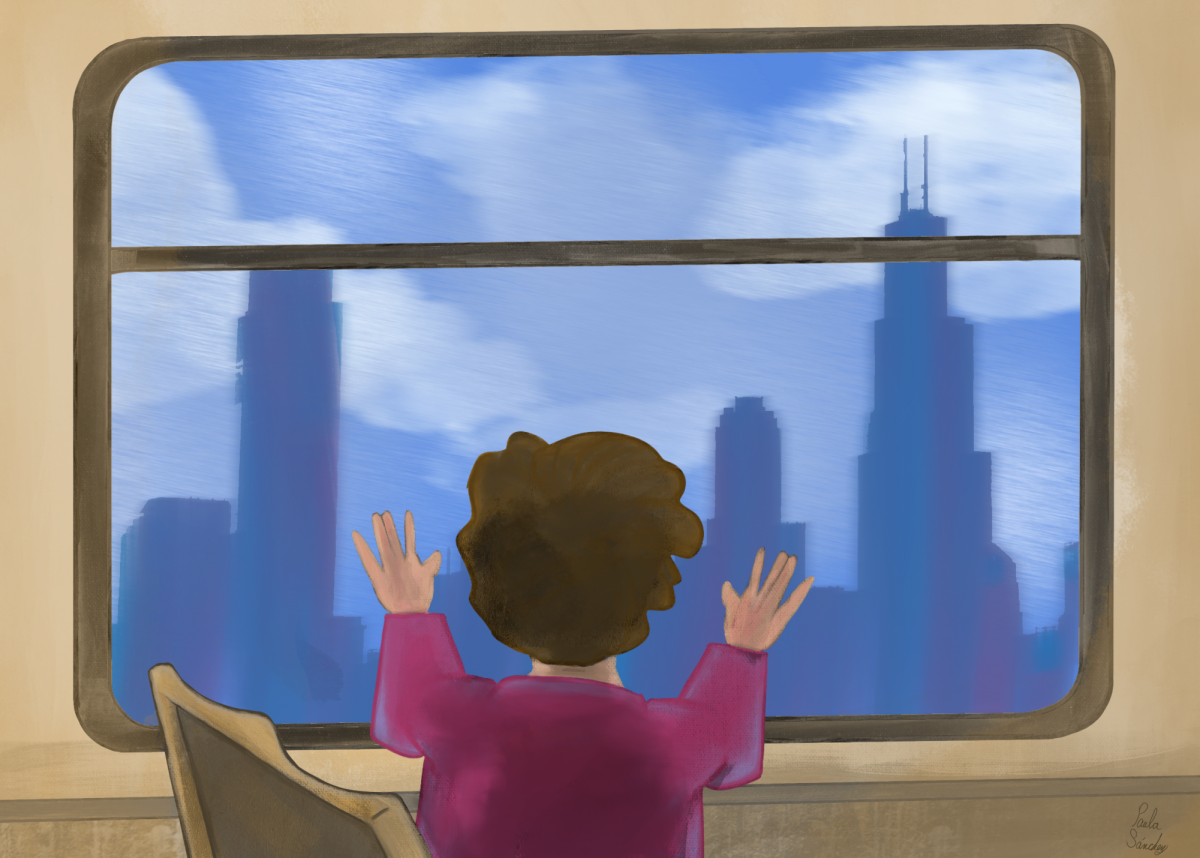
Eight years ago, I visited Chicago and, among my first steps, while viewing the architecture of Grant Park, I passionately asked my mom, “How have you never taken me here before?!” I knew it was home.
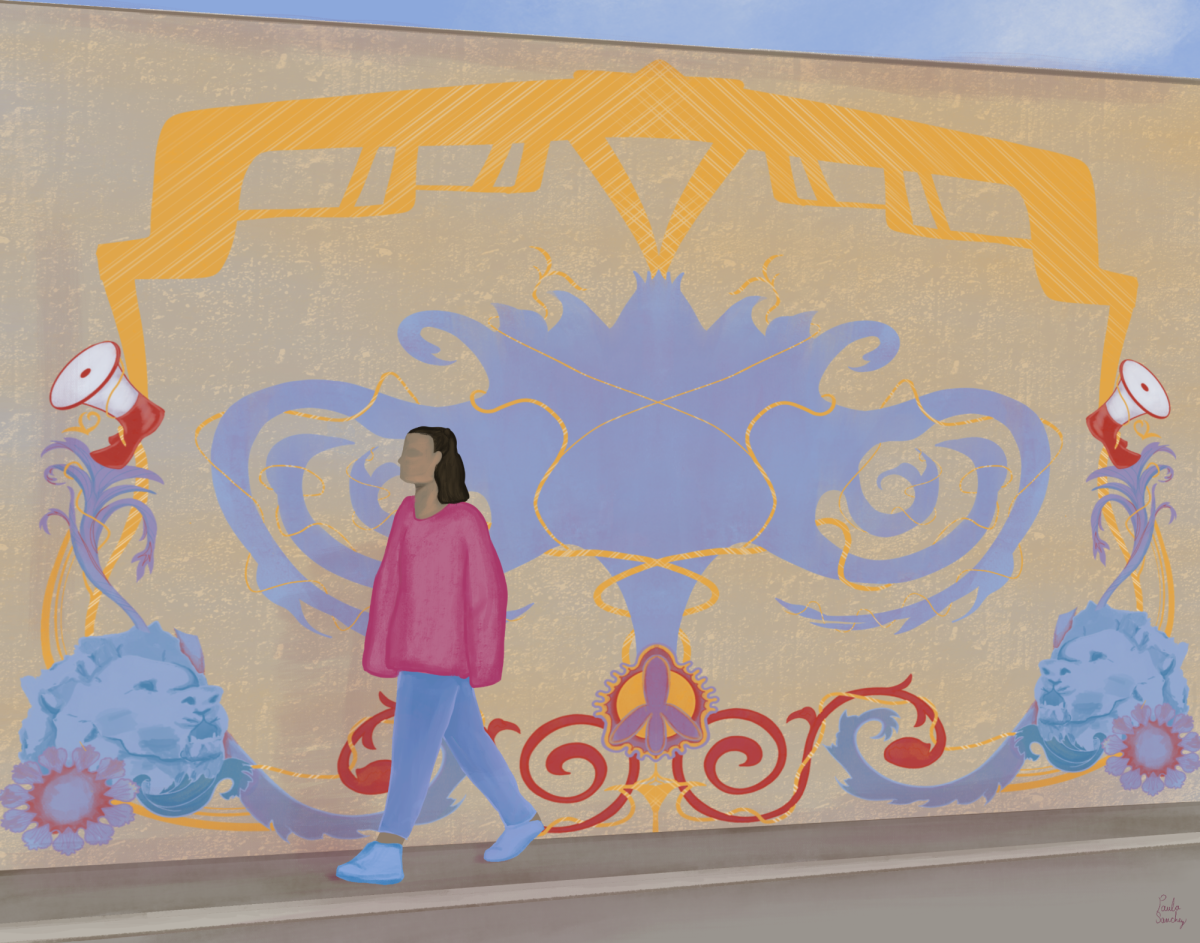
When I moved to the city’s Hermosa neighborhood in 2023, I was struck by the sheer amount of art around me. Murals covered walls throughout the neighborhood, reflecting its largely Hispanic culture. Coming from a predominantly white neighborhood in Arizona that had experienced numerous hate crimes, seeing that art and culture so prominently expressed gave me an inspiring new perspective.
I came to the city to be a filmmaker. Columbia was one of two schools I applied to, and while I was accepted to both, I felt it was where my filmmaking journey belonged.
The city was my first subject. My first short film was a love story about how architecture shapes our memories and our relationships with the people and places around us. At first, I saw Chicago through a romantic lens. I was fascinated by its buildings, its neighborhoods and the stories I imagined within them.
But as I became more involved in the city by spending time with transgender electronic musicians and talking with Hispanic artists in Hermosa, my view of Chicago and my relationship with art became less romantic and more grounded in the people creating it.
During my first semester of sophomore year, I took a class that required me to make a documentary. I chose one of the electronic musicians I had gotten to know. While I can’t say the documentary was my finest journalistic work, it reflected how Chicago’s artists were changing me and how I wanted to give something back to the people whose work had changed my perspective. That experience led me to add journalism as a second major, eventually leading me to write this very note.
A few steps into Chicago and you’ll gawk and gasp at the historical statues that have stood the test of time without ever really knowing that history. A few more steps and you’ll find yourself in neighborhoods like Bronzeville, which features towering sculptures of blues icons and churches where Martin Luther King Jr. spoke during the civil rights movement.
And, beyond that, you’ll find the people who are responsible for maintaining these historical landmarks, and those who are working to create the art of the future.
Many of these artists are working in neighborhoods you may never have visited, or communities you may know little about. This print issue, “Made in Chicago,” is an ode to those artists and an invitation to explore the people, places and work that make this city what it is.
I’ve fallen in and out of love with my art. I’ve screamed at it and myself. But always, what has taken me out of that slump is exploring a new piece of art in Chicago, allowing myself to be imbued with the artistic perspective of people putting all they’ve got into something simply because they love it.
Upon my first visit to Chicago, I never expected to be a journalist, let alone the editor-in-chief of a newsroom, but I’ve become one because I’ve allowed art to change me.
Within your years in the city, allow yourself to be remade by Chicago. Welcome new experiences and perspectives, explore that unfamiliar neighborhood, go to a museum outside of the Loop, check out a local theatre production or an independent movie premiere — allow these things to change you. You’ll be a better artist for it.
Copy edited by Katie Peters
This story also appears in the Chronicle’s back-to-school issue, available Sept. 1.