THE BACK-TO-SCHOOL ISSUE
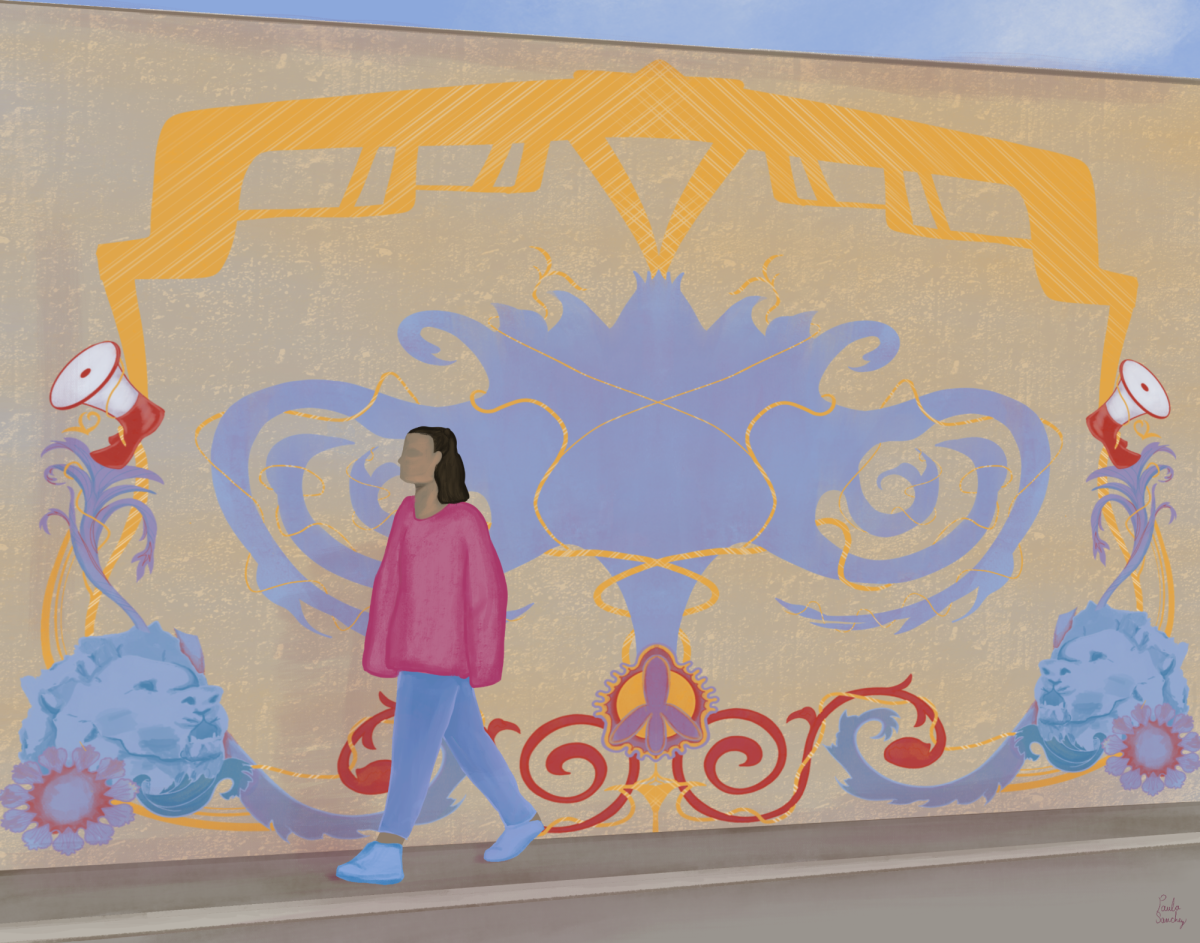
Whether I’m strolling down South State Street with an iced coffee in hand or rushing to class from the Blue Line to the Ida B. Wells building, I pass Columbia’s colorful and engaging murals. The subject of “Slime Mountain” in the Wabash Arts Corridor has even been dubbed the school’s unofficial mascot.
Chicago’s murals stretch far beyond Columbia’s campus. More than colorful backdrops, they preserve community histories, celebrate cultural identity and have served as tools of activism for decades. With over 400 murals, Chicago’s buildings not only display vibrant public artistry, but, more importantly, are visual embodiments of the activism and resistance of our city’s communities. Beyond that, murals are a source of foot traffic and give opportunities for collaboration between artists in the area.
Chicago’s mural movement took off in the late 1960s with “The Wall of Respect,” a 1967 mural celebrating Black leaders that helped inspire community murals across the country. Columbia adjunct faculty member John H. White documented the landmark work for the federal DOCUMERICA photography project. From the beginning, Chicago’s murals were acts of community expression and resistance.
Growing up, I went to schools with white majorities and was often part of a small percentage of people of color in classrooms. The notion of diversity was taught by occasional lessons about the civil rights and farmworkers’ movements, but wasn’t reflected in how diverse the student body actually was. Beyond the mini Filipino history lessons my dad would give, I seldom learned about anyone that remotely looked like me, much less had a cultural community to lean on. As a child of immigrants, it would have meant so much to me to see cultures with similar histories represented in art around my community, even if they weren’t specific to my personal heritage.
Every time I visit my partner in Pilsen, I’m struck by how murals transform ordinary buildings into reminders of the neighborhood’s history and culture. The neighborhood was home to “Metafísica: La Paz,” the city’s first Mexican mural. Pilsen has been an epicenter of Chicago’s Chicano mural movement since the late 1960s. Though the original “Metafísica” no longer exists, its cultural impact and legacy continue through the murals standing in the neighborhood today. Nothing compares to stepping out the door and already having a brilliant piece of public art in your line of sight. It makes me wonder why there aren’t murals adorning more of Chicago’s buildings.
Murals don’t just strengthen communities culturally. Research published in Cities: The International Journal of Urban Policy and Planning found that mural arts programs also contribute to investment, tourism and civic engagement.
I’ve been an art lover for as long as I can remember, so my childhood memories of visiting Chicago as a suburban kid are accompanied by the awe I felt when first encountering some of Chicago’s iconic public art. Getting to splash in the Crown Fountain or walk among the legs of the Agora installation in Grant Park were gateways to developing an affinity for the city. These memories associated with public art solidified Chicago as a desired part of my future as a creative.
Though street art undoubtedly provides visual interest on our daily commutes or while checking out a new part of the city, murals reflect the intentions and values of the communities they stand in. Next time a mural catches your eye, take the time to understand the history and significance held in each brushstroke, especially if it lives on the streets of a cultural or historic neighborhood. Learning to appreciate both the aesthetic appeal and interwoven messages of murals transforms the viewing experience into an educational and meaningful moment.
Copy edited by Antonio Chaves
This story also appears in the Chronicle’s back-to-school issue.