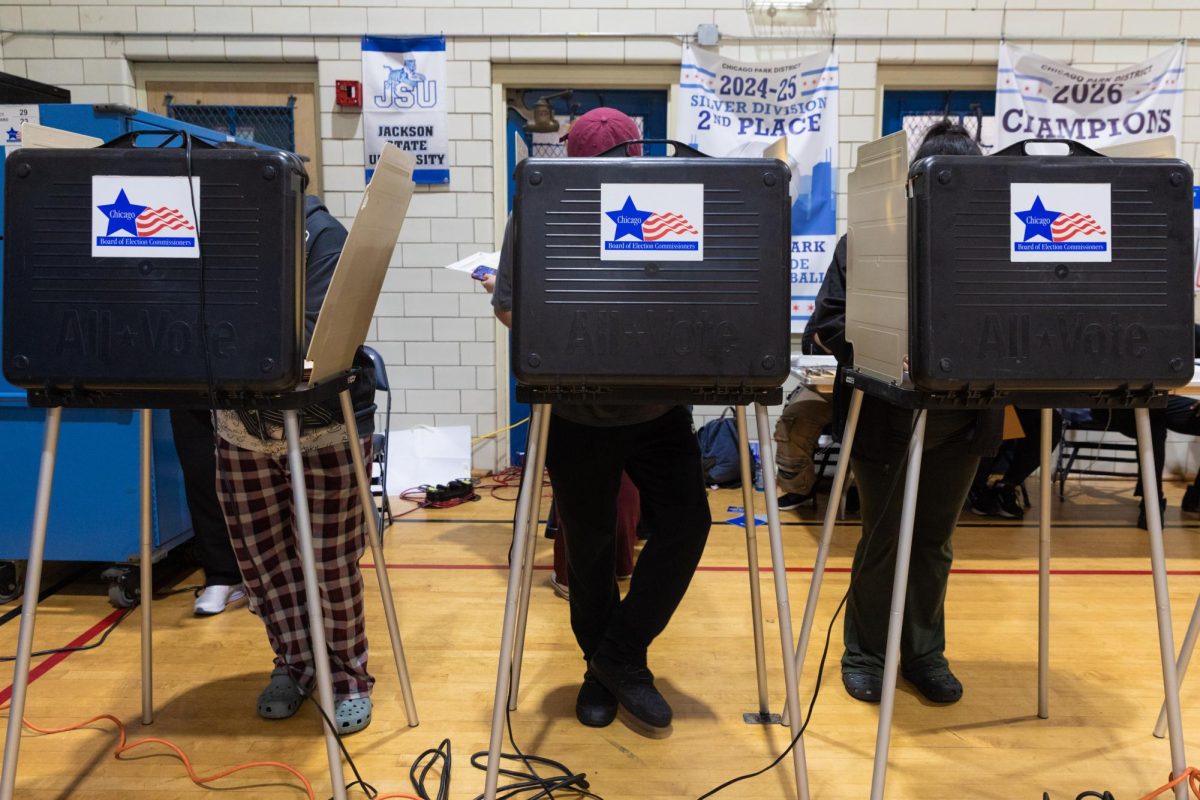
My Arizona mail-in ballot was rejected over a signature dispute. I was able to fix it on Election Day, but the experience made me wonder how many voters lost their chance.
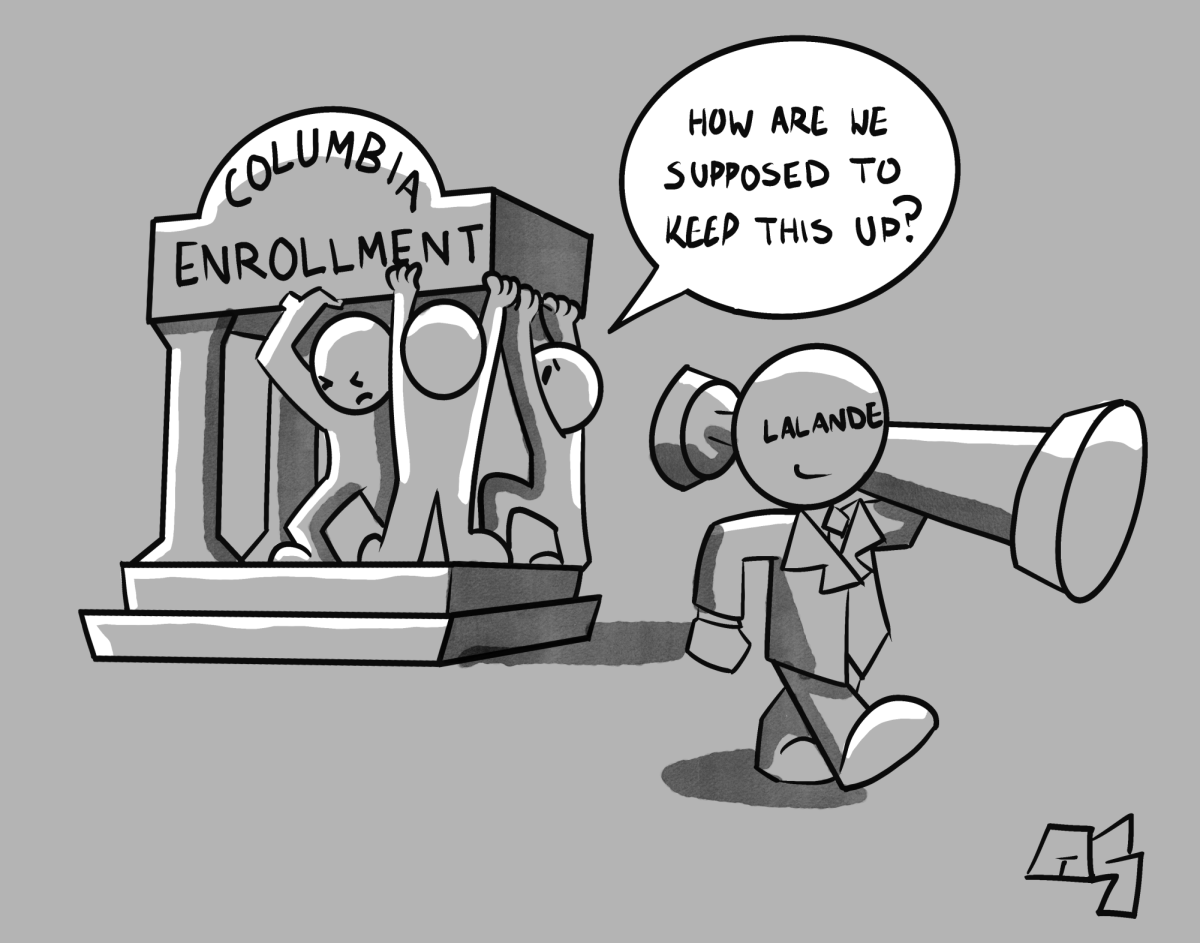
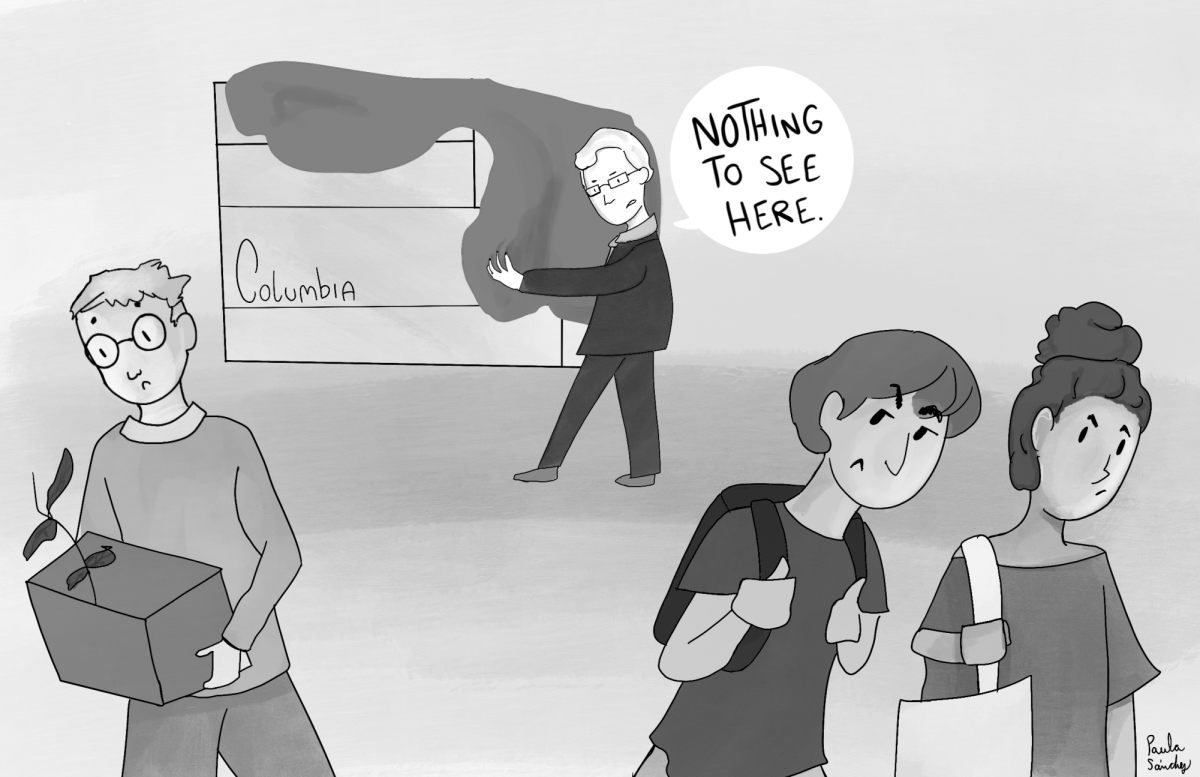
Columbia welcomed more new students this fall under the president’s top enrollment strategist Emmanuel Lalande, but questions remain about how much the college discounted tuition to achieve that growth and whether his blueprint was financially sustainable, writes the Editorial Board.
Academic libraries are adapting to how students access information and use campus resources. Columbia’s plan is a sensible use of space that puts more student services under one roof, writes the Editorial Board.
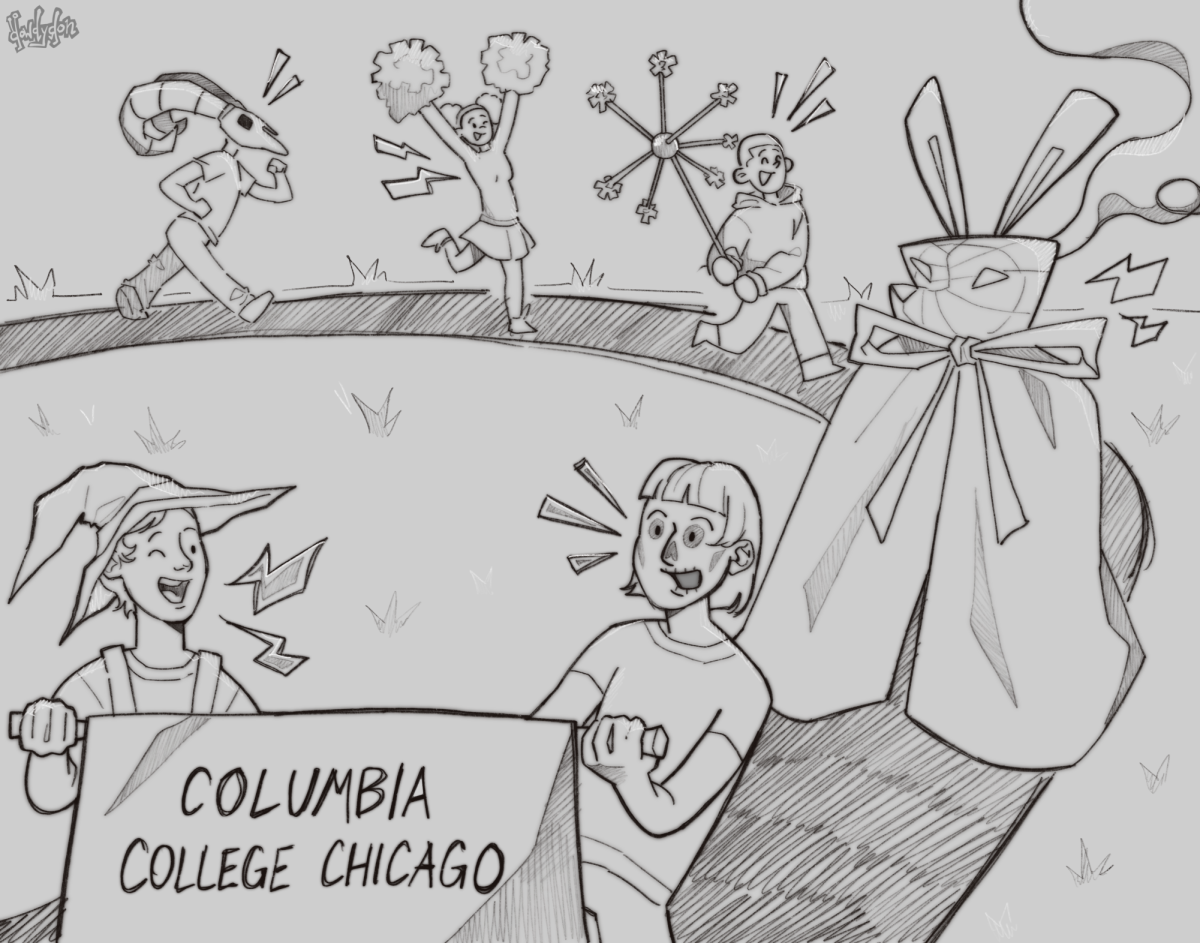
The annual Halloween parade gives students a chance to share their work with Chicago. Columbia should keep making space for that creativity, writes the Editorial Board.
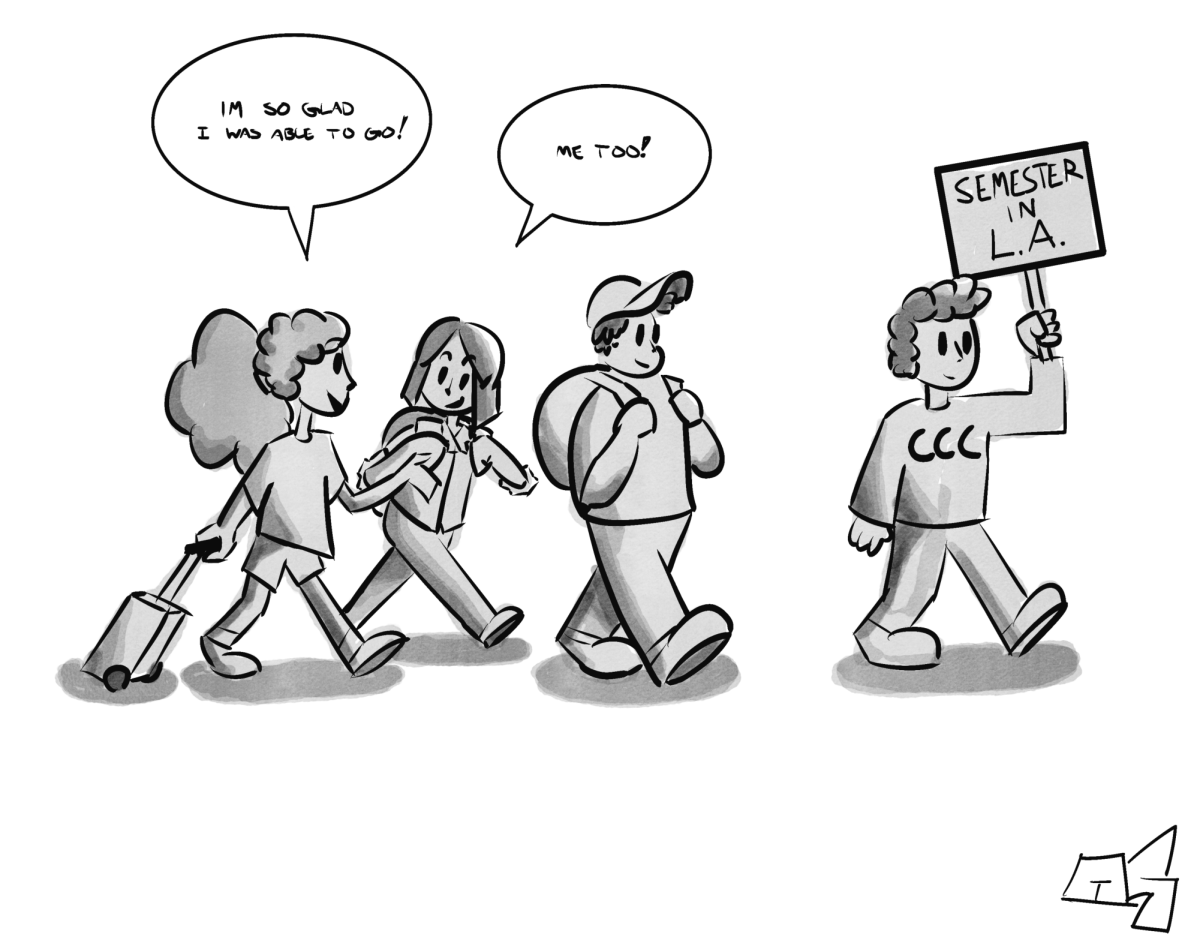
The program’s new Hollywood studio and plans to welcome students from more majors could open doors to industry connections and career opportunities, writes the Editorial Board.
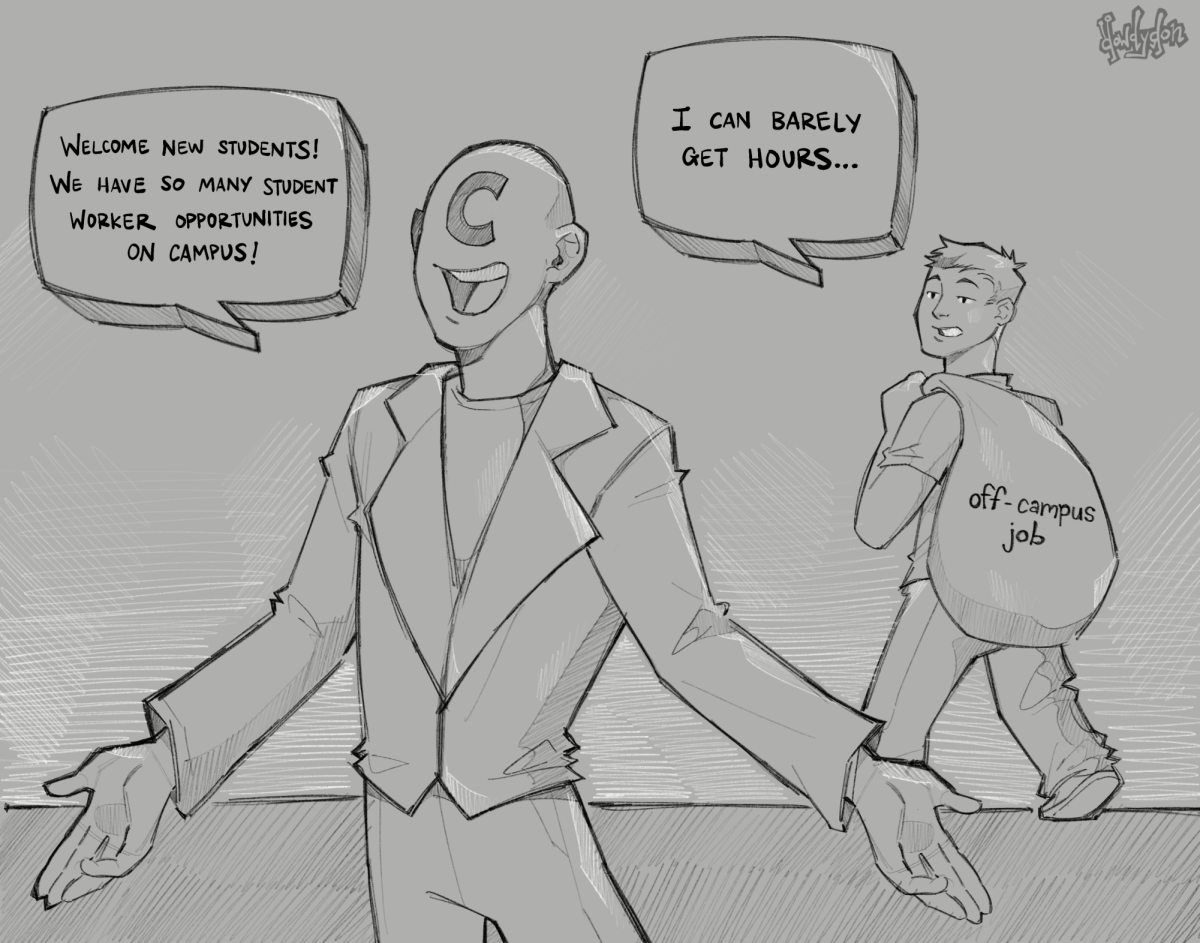
As the college works to reduce its projected $18 million deficit, students deserve clear answers about any changes to campus employment and how those decisions will affect their income, writes the Editorial Board.
Enrollment and retention are up, a sign of hope for Columbia’s future. But the college needs to provide specifics about how it will address the remaining $18 million projected deficit, writes the Editorial Board.
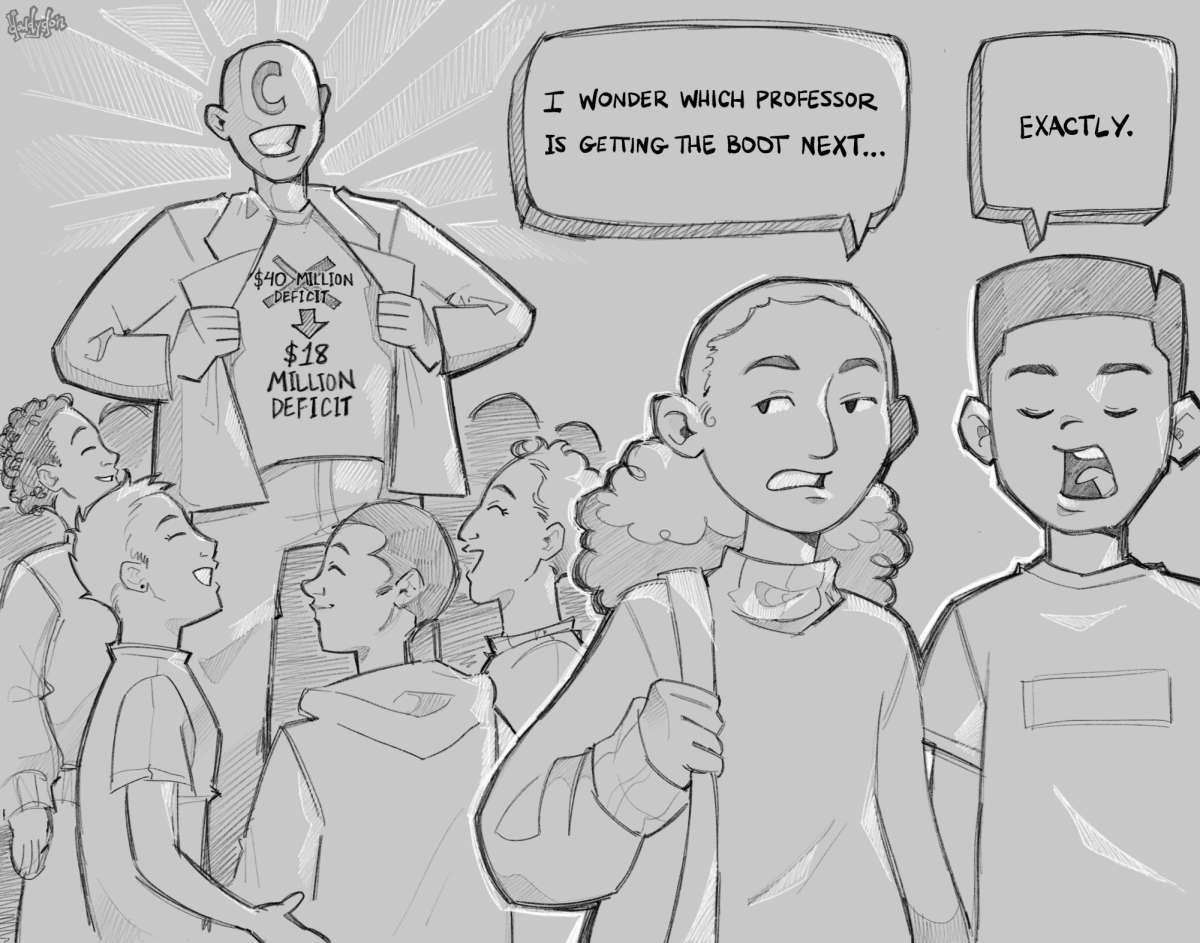
Columbia’s interim chief financial officer told the Faculty Senate that the college’s projected budget deficit will fall to about $18 million this fiscal year. Now the college needs to be transparent about how it will tackle the remaining deficit, writes the Editorial Board.
East-West University’s higher rates led Columbia to reduce gym hours, but the college’s effort to divide the remaining time equally doesn’t account for the different needs of student organizations, writes the Editorial Board.
Columbia is welcoming about 1,100 new students this fall, up from 632 first-time, first-year students last fall. That progress matters, but so does what students experience on campus, writes the Editorial Board.
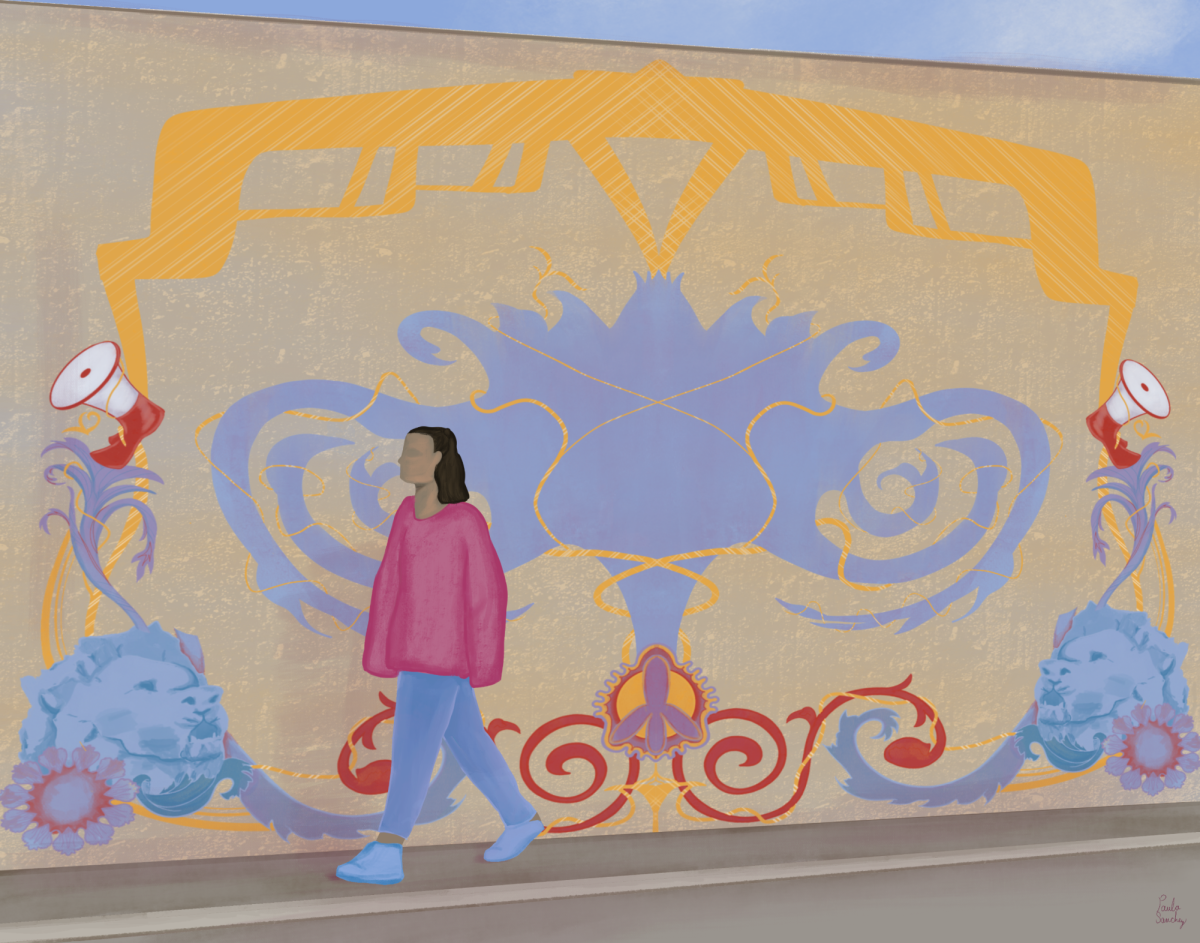
In a city with such a rich art scene, murals do more than create visual and aesthetic interest, writes Venus Tapang. Chicago’s murals have had a unique role in combining community with cultural history and activism since the late 1960s.