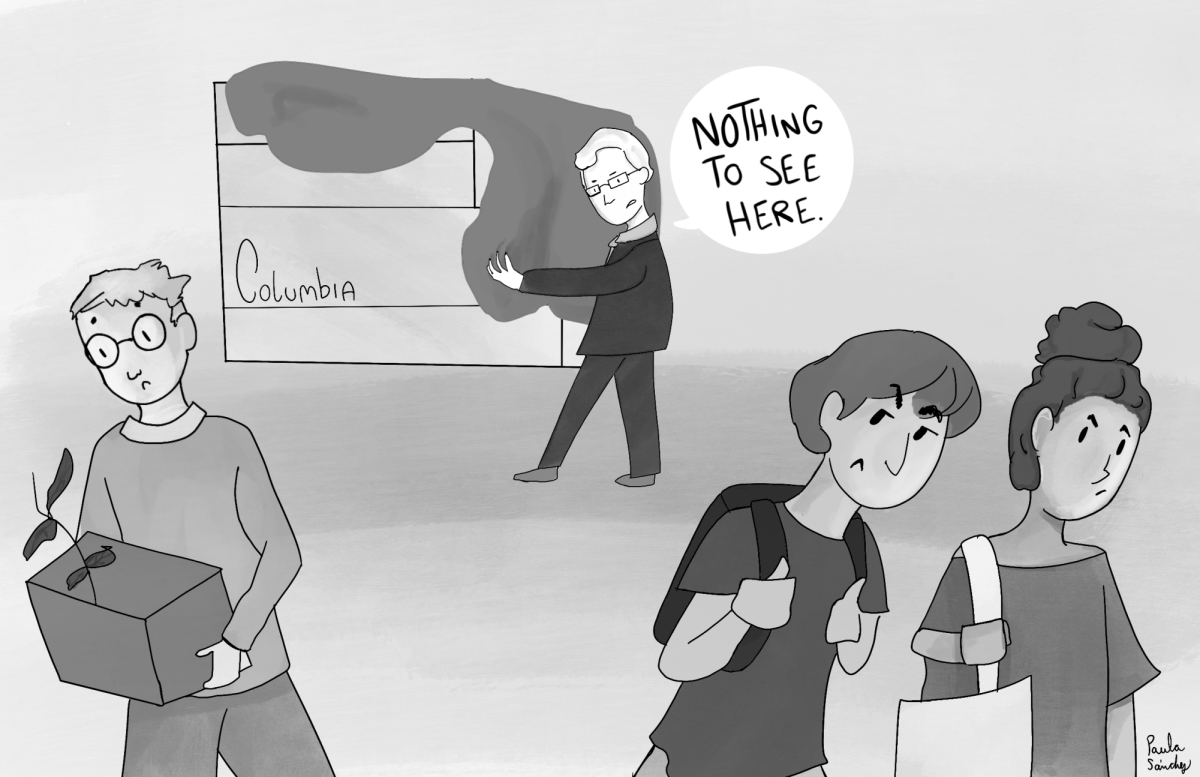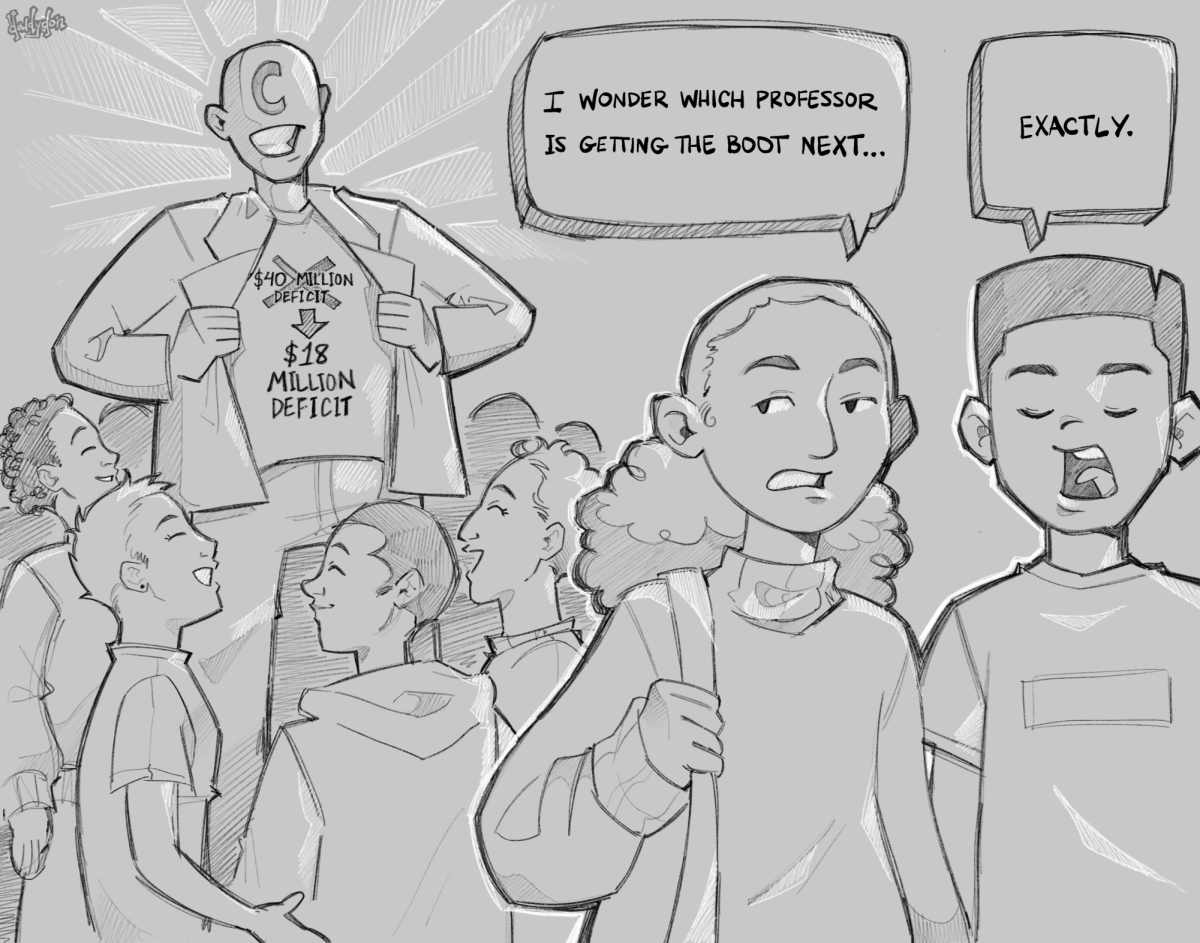

Some Columbia units are beginning to reduce hours for student workers as the college works to decrease a projected $18 million deficit for this fiscal year. For students who rely on campus jobs to help pay their expenses, those cuts could create financial uncertainty. Yet the full scope of the changes has not been clearly communicated. Columbia must do more to explain how its budget decisions will affect student employment.
Last spring, the college reduced the maximum number of hours most students can work on campus from 20 hours per week to 15, citing a reduction in its Federal Work-Study allocation, as the Chronicle previously reported. Columbia’s Federal Work-Study allocation dropped from $780,780 last academic year to $570,359 this year.
The funding reduction comes as Columbia’s student workforce has also shrunk alongside enrollment. The number of Columbia students working on campus has fallen from 12.3% in 2019-2020 to 9.5% this year, based on numbers provided by Anna Ogier-Bloomer, the associate dean of career development and industry relations. We understand that a smaller school needs fewer workers. The adjustment Columbia is making to on-campus student employment is in line with the decrease in the student body.
During the 2019-2020 academic year, out of 6,947 enrolled students, the college reported 854 student workers. Currently, there are 407 out of 4,265 students employed on campus through both the college and the Federal Work-Study program.
Jeffrey Bethke, interim chief financial officer, underscored the stakes at a recent Faculty Senate meeting. “Student employment dollars have a direct bearing on our students and on the retention of our students,” Bethke said. “We have to balance the funds available for student employment with everything else.”
The decisions that college has to make toward decreasing the deficit are difficult, and a required balance surrounding student employment is necessary as they make adjustments toward the budget. However, students whose jobs are affected by this change deserve to know why it is happening and exactly how it will affect them.
Columbia may have difficult budget decisions ahead, but uncertainty about employment should not compound the financial pressure students already face. The college should communicate changes to student jobs promptly, explain the reasoning behind them, and provide as much advance notice as possible.
Copy Edited by Mia Smith