THE SUSTAINABILITY ISSUE
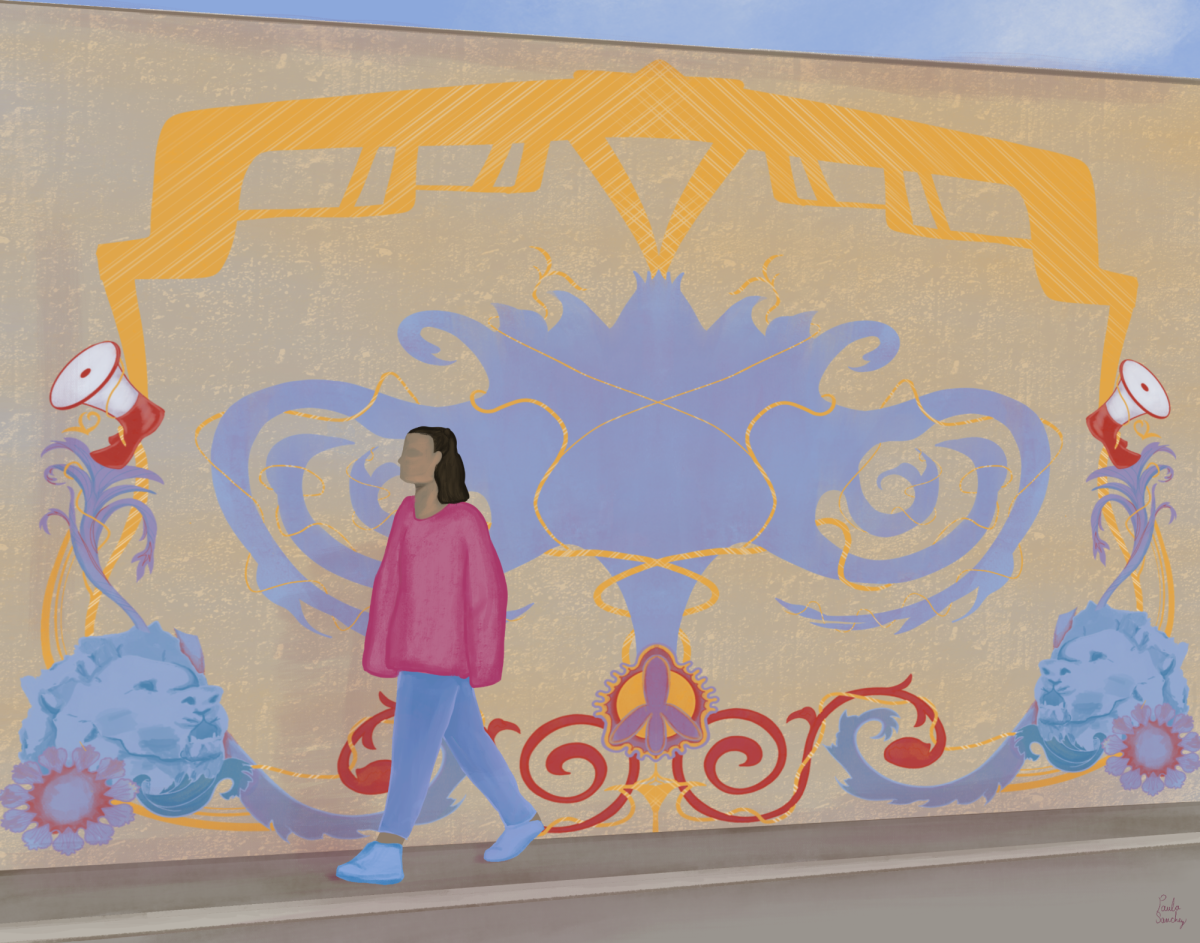
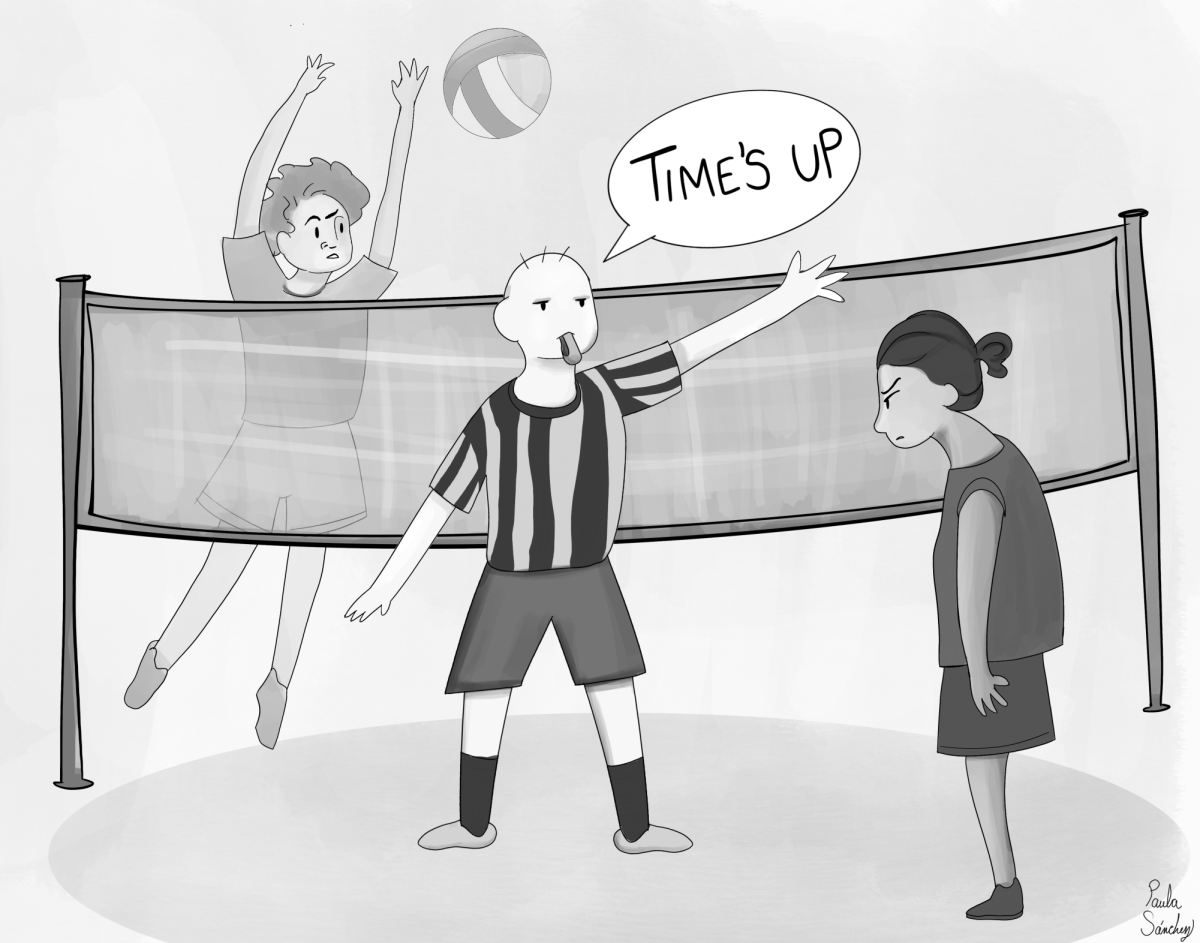
Climate change is often framed as a universal issue, but it isn’t experienced universally. As a queer, first generation, fem-presenting person of color, I understand climate change through the same lens that shapes the rest of my life: identity. Ignoring that intersection makes conversations about climate change incomplete.
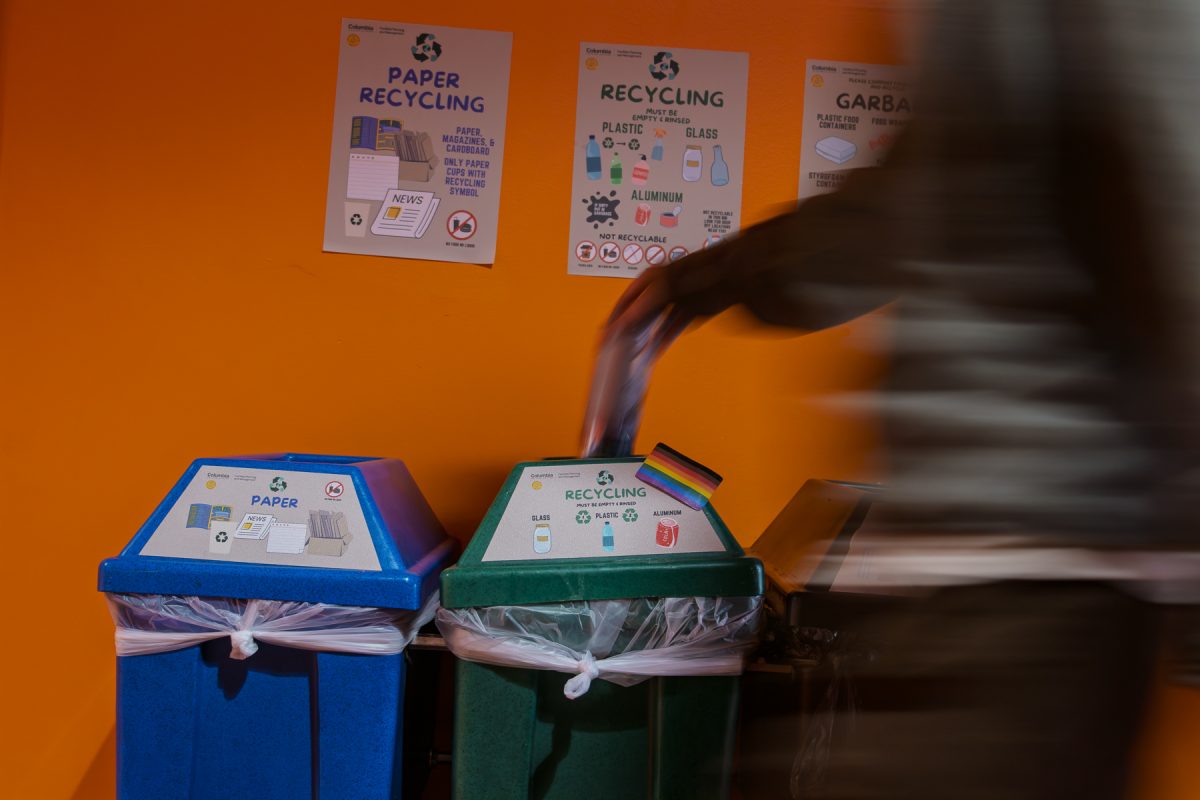
Climate justice is more than simply separating trash and recyclables. As an environmental movement, it recognizes the way marginalized communities are unequally affected by environmental change and climate crises — the same systems that marginalize people based on race, gender, sexuality or class who are at most risk and least protected in an environmental crisis.
It’s no surprise that individuals with marginalized identities are at a higher risk of experiencing the adverse effects of climate change. According to a 2024 study published in The Journal of Climate Change and Health, LGBTQ+ individuals globally have greater exposure to climate-related disasters, are more vulnerable to their impacts and often have fewer resources to recover. Queer individuals already frequently struggle with prejudice, social exclusion and the societal stigma surrounding queerness — the effects of climate issues and disasters are just another result of systemic marginalization.
Research also has shown that “social, economic and structural factors” limit economic opportunities for LGBTQ+ people, making them more likely to live and work in risk-prone areas, and during extreme weather events. Then when disaster hits, LGBTQ+ individuals can face barriers that others do not.
After Hurricane Katrina, some queer and transgender people reported being turned away from shelters or facing harassment inside them, particularly when their gender identity did not align with official identification or shelter policies.
Queer victims of Hurricanes Katrina and Maria also could not access HIV treatment and some died as a result of interruptions in medical care, according to The Journal of Climate Change and Health.
Even LGBTQ+ people without existing health issues can be affected by economic inequality. It can make it harder to take basic steps to stay safe during climate impacts like paying for air conditioning in extreme heat or buying air purifiers when air quality gets worse.
The phrase “the personal is political,” often applied in queer theory, reflects how systemic inequality shapes individual lives and helps explain why climate change cannot be separated from identity.
A few years ago, I learned that even when I carefully separate recycling, much of it can still end up in landfills. At the same time, corporations remain responsible for the majority of emissions.
That disconnect can make individual action feel insignificant.
Repurposing a single-use plastic can’t make the plastic waste floating in the ocean magically disappear, but taking a step in minimizing the waste I personally create is more effective than giving up on sustainability completely.
Individual action still matters. Although buying secondhand clothing won’t stop fast fashion and reusing plastic won’t eliminate ocean waste, those choices reflect an awareness of how personal behavior connects to larger systems, and they can build habits that extend beyond the individual.
Learning that the ozone layer is healing and on track to recover didn’t erase all my concerns, but it did reinforce that change is possible. Keeping the impact climate change has had on my community in my mind, while recognizing the role I can play, is what sustains my motivation to stay informed and take action.
Copy edited by Katie Peters