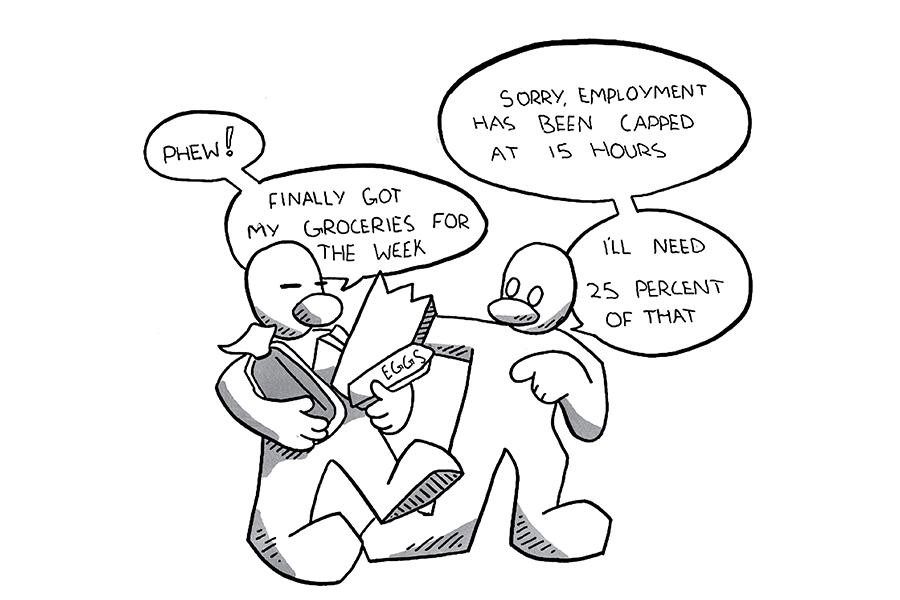
Columbia has capped most on-campus student employment at 15 hours per week after a top administrator said the college’s federal work-study allocation could drop by roughly 27% next year.
Students currently can work up to 20 hours per week during the fall and spring semesters and up to 25 hours per week during J-term and summer.
Five hours a week may not sound like much until it is about $300 a month before taxes and the difference between making rent and not.
Some students rely on their on-campus job as survival income for rent, groceries and transportation and not simply as spending money.
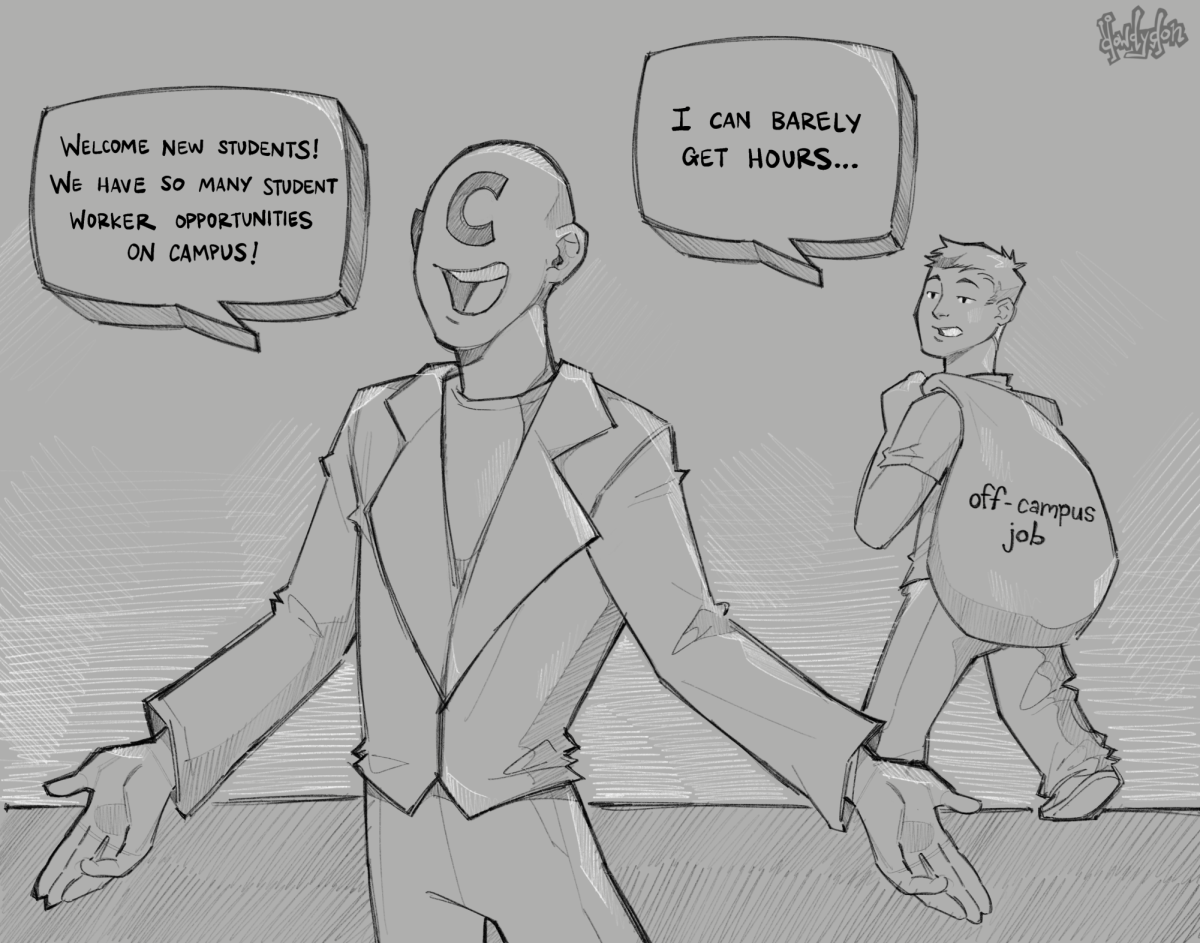
Some job postings on Handshake listed positions at 20 hours per week as recently as April, meaning that when applying for jobs, students would have been making budget decisions based on wages they might no longer be allowed to earn.
The administration argues the universal 15-hour cap is the most equitable response to anticipated reductions in federal work-study funding. Rather than eliminating positions outright, Columbia reduced hours across the board.
But equal reductions do not necessarily produce equitable outcomes.
Federal work-study is awarded based on financial need. Students receiving it are, by definition, among the students most dependent on campus employment to cover rent, groceries, transportation and other daily expenses.
Columbia could have explored maintaining 20-hour schedules for students with federal work-study eligibility by supplementing reduced federal dollars with institutional funding, while limiting hours for others. Instead, the college chose a universal cap that treats all student workers as if they face the same financial circumstances.
For students already struggling to afford college in Chicago, the loss of five hours per week is not minor.
A policy can apply evenly and still fall hardest on the students least able to absorb it.
Emmanuel Lalande told the Chronicle that student employment decisions are made at the department level, with each unit determining its own hiring needs based on budget, operational needs and available hours.
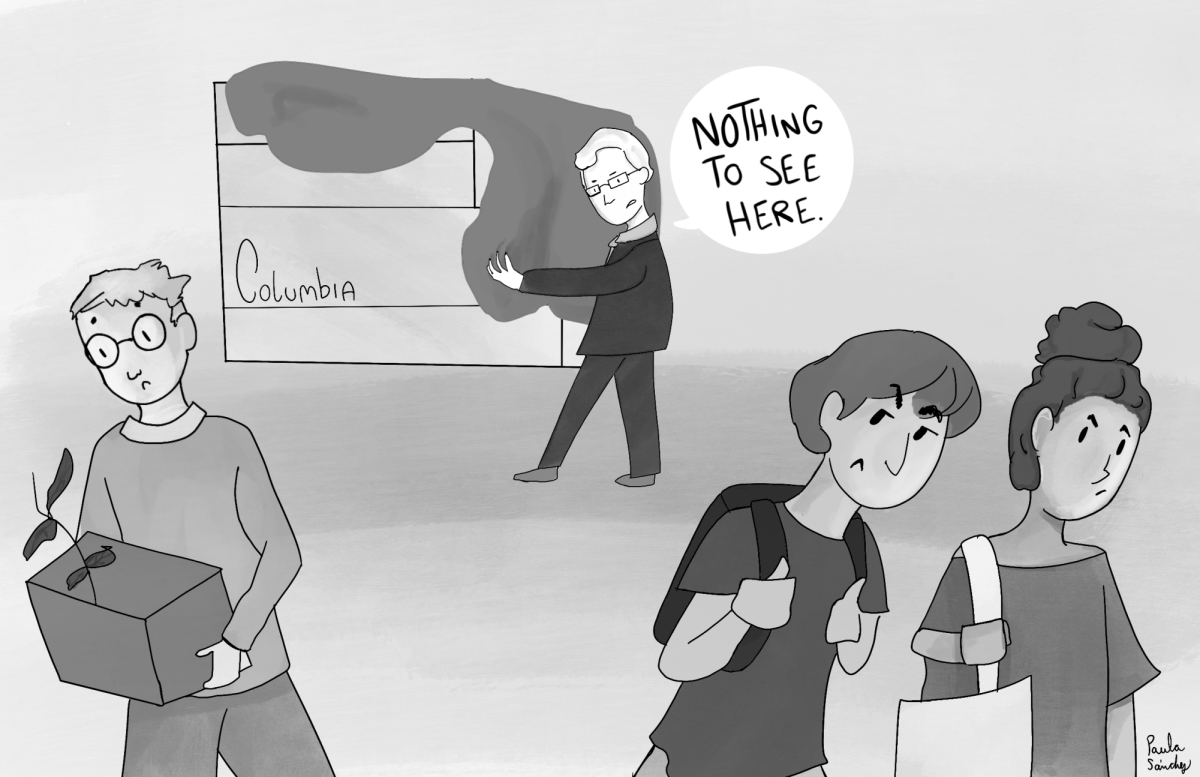
But by deferring rehiring and scheduling decisions to individual departments, the college has distributed the fallout without accepting accountability. Some offices already told students that their summer employment is contingent on reapplying.
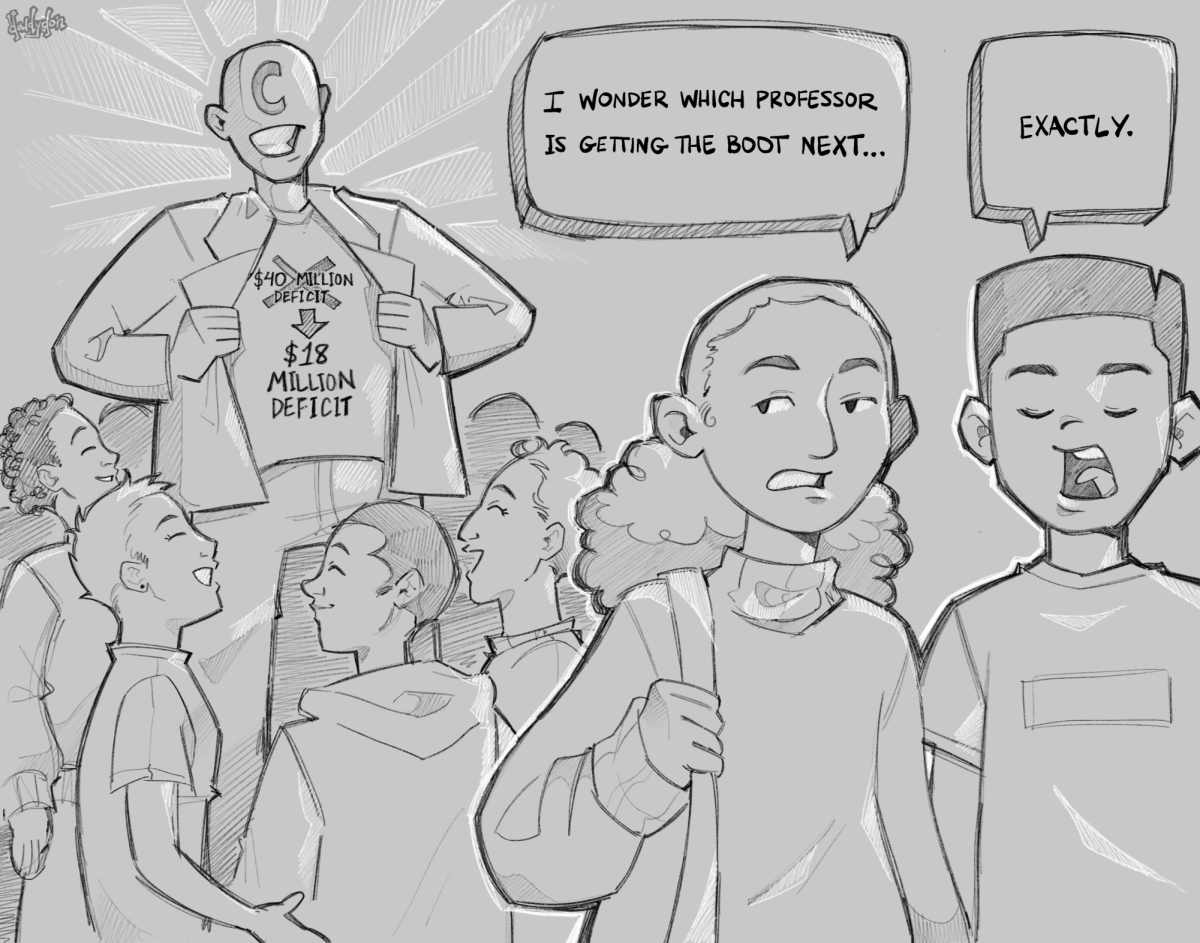
The proposed federal cut from the Trump administration is real, and Columbia did not create the shortage. There is no painless way to absorb a $210,000 reduction in a single year. The administration is navigating constraints, including a $40 million operating deficit, while also building in some flexibility for roles under review for exemption to the 15 hour max.
The college can control how it responds to these forced changes. Students whose work-study award makes up a significant portion of their financial aid should be able to work up to 20 hours.
Every department should notify current student employees about whether their position carries over to summer or requires reapplication with enough time to allow students to find alternatives if needed. Every job posting that still advertises 20 hours per week needs to be updated to reflect the actual 15-hour limit so students can prepare accordingly.
The challenge of federal disinvestment in higher education will not end here. An anticipated 27% federal cut is outside of Columbia’s control. What happens to students who rely and live on that 27% is not.
Copy edited by Katie Peters