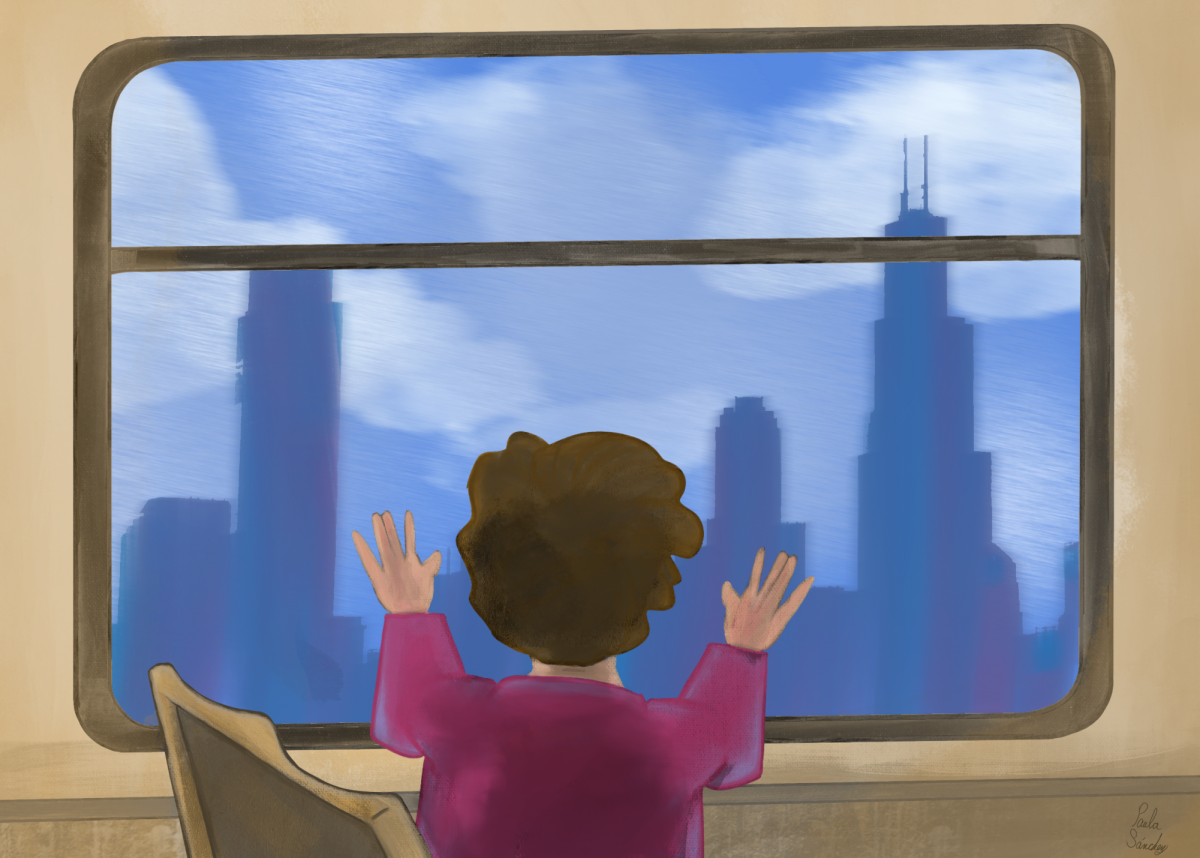
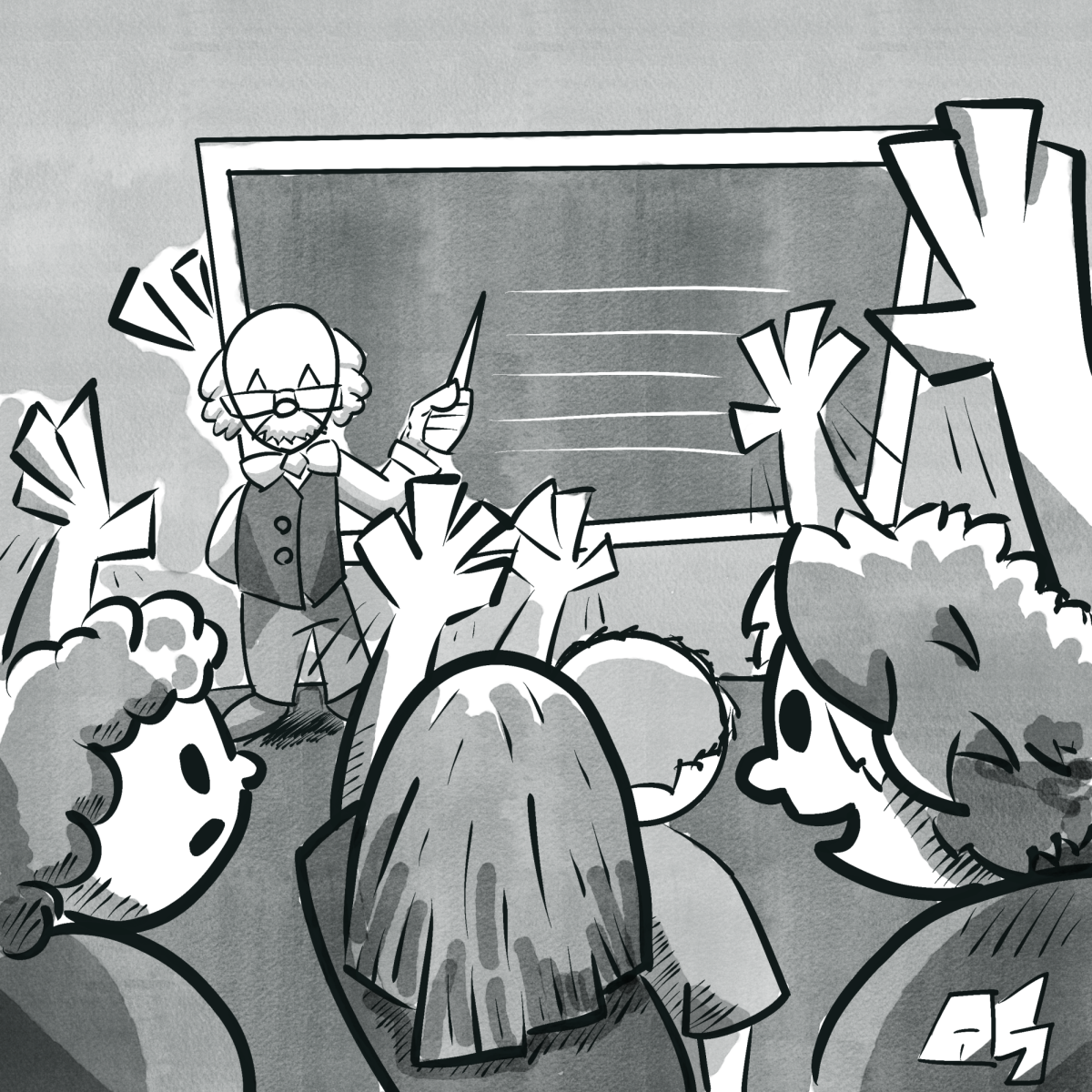
Nine first-year students were elected to Columbia’s Student Government Association this week, making up all but one of the newly elected senators. After a spring election in which just one of nine open senate seats was filled, the difference is hard to ignore.
The strong first-year turnout is one of the clearest signs yet of something students and faculty have seen across campus since the start of the fall semester when Columbia welcomed about 1,100 new students, up from 632 first-time, first-year students in Fall 2025.
Attendance in our first classes was high, something that doesn’t always happen at the beginning of the semester. It gives hope that this semester will be a proactive one with engaged and determined students.
Turnout also was good at on-campus events, and clubs reported an influx of new students and interest. The Chronicle’s own coverage reflected the plethora of activities available to students. We reported on the poster sale at the Student Center, the “Made it There!” art exhibition at the Haus at 623 S. Wabash, karaoke at The Hive and The Reunion picnic for campus clubs.
The Student Center also was filled with students of different majors socializing throughout the first week of school, a momentum we hope continues.
We know Columbia’s financial challenges are not gone. In the midst of the celebrations last week, the Chronicle also reported that two out of the four career advisor positions were eliminated in the most recent round of staff layoffs. Earlier in the summer, five instructional specialists were laid off and 54 full-time faculty members have lost their jobs since January 2025.
As we’ve said before, Columbia has a responsibility to make sure students do not feel the effects of those losses.
But as Amelia Lutz, SGA president, told the Chronicle, “There’s so much excitement going, between students, between the people there and it really makes me feel very excited for this upcoming year.”
It makes us excited, too.
After Columbia’s historic part-time faculty strike in 2023, two presidents and one interim president in three years, a number of program cuts and multiple rounds of faculty and staff layoffs, the rise in student engagement seems to indicate that the college is finally entering its period of healing and that the efforts in student outreach are paying off.
Students are now showing Columbia that they want to participate. The college should make sure it gives them every opportunity to do so, and investing in students is the only way out of our financial crisis.
Copy edited by Antonio Chaves