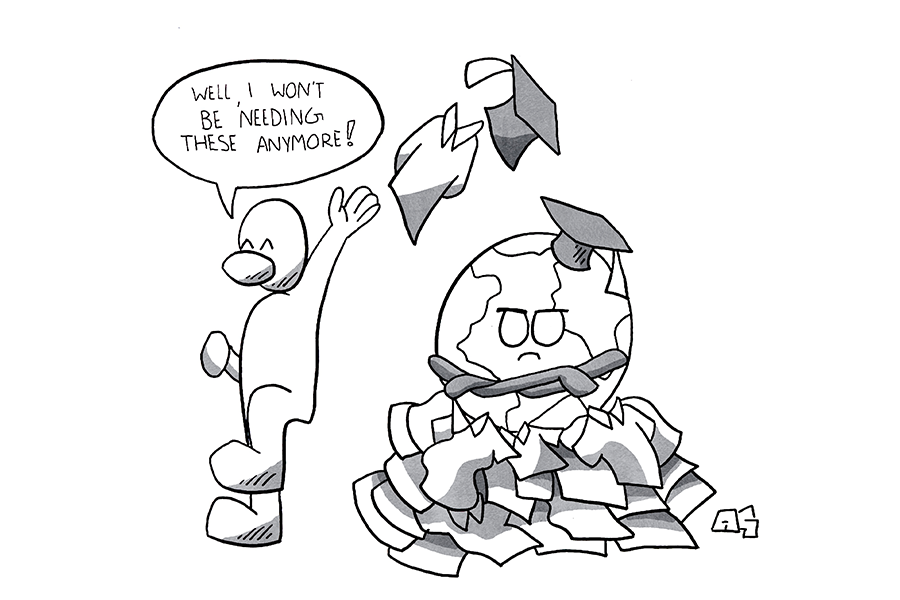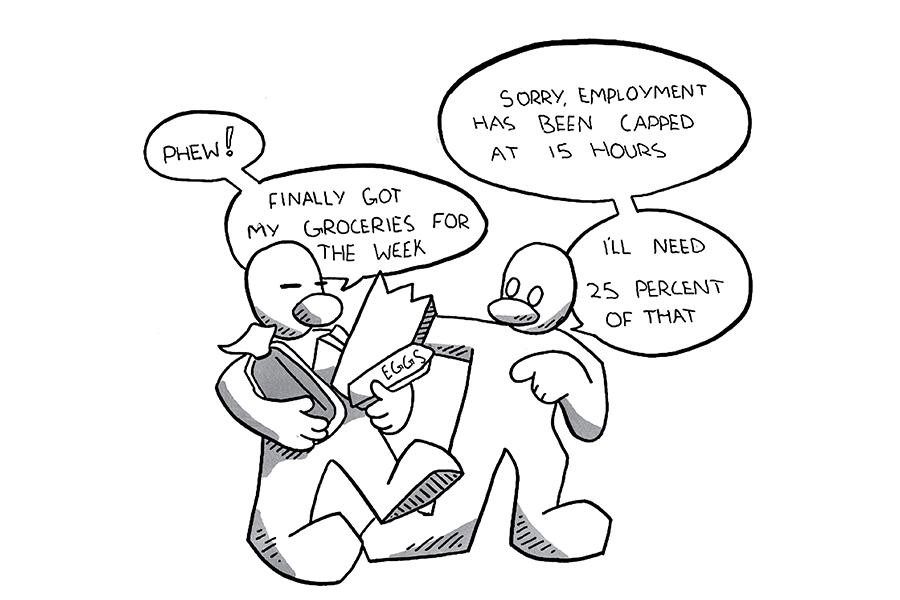

Following the suspension of late-night host Jimmy Kimmel, President Donald Trump argued that TV broadcasters should have their licenses revoked for criticizing him. While the commentary concerned Kimmel’s remarks on Charlie Kirk’s death, Trump’s response was less about Kirk and more about silencing criticism of himself.
The threats drew sharp pushback from free-speech advocates and politicians, including Illinois Gov. JB Pritzker, who said the administration was abusing government power to pressure media outlets.
Though the suspension has since been reversed, and ABC put Jimmy Kimmel back on the air this week, we will remain vigilant. After all, Trump’s vendetta against the press has been brewing since his first term and then through his 2020 loss to former President Joe Biden.
Kirk, the conservative political commentator who was shot and killed on Sept. 10 while speaking on a college campus in Utah, has become a flashpoint in the suppression debate. In the aftermath of Kirk’s death, the Trump administration and its allies threatened regulatory action and job consequences for those who publicly criticized the response or questioned official narratives.
When broadcasters pulled Jimmy Kimmel’s show and ABC suspended him over comments about the murder, it wasn’t just a punitive act, it was a warning: challenge the Trump administration’s narratives at your peril. People — journalists, media outlets, individuals — are being pushed toward self‑censorship out of fear that a single social post could cost them their job. Even as we reject political violence and denounce the death of someone whose viewpoints were opposite of this editorial board, that dynamic cannot stand at institutions meant to foster truth, accountability and dissent.
Kimmel is just an example of what can happen to those who poke fun at matters important to the current administration.
In Chicago, Mayor Brandon Johnson signed an executive order on Sept. 16, ensuring that protestors’ constitutional rights, including the First Amendment to assemble and speak freely, should be protected, regardless of federal authorities attempting to restrict protests.
Free speech is meant to ensure that criticism of those in power is not only possible, but safeguarded against retaliation, as freedom of speech is a protected right in the United States.
The ability to speak freely is very important in schools as well, most notably affirmed in the 1969 Supreme Court case Tinker v. Des Moines, which established that students do not shed their constitutional rights to freedom of speech or expression at school.
In such a tumultuous time, it’s more imperative than ever that we support school news outlets. Having the ability to freely be critical of the school administration and of official narratives from the college.
For our part, the Chronicle will continue to hold our administrators accountable and report on uncomfortable truths the college may not want to draw attention to, just as CEO and President Shantay Bolton encouraged students to do so in her convocation address. “Tell the story that no one else is willing to share,” she said. “Speak the truth, even if your voice shakes a little bit.”
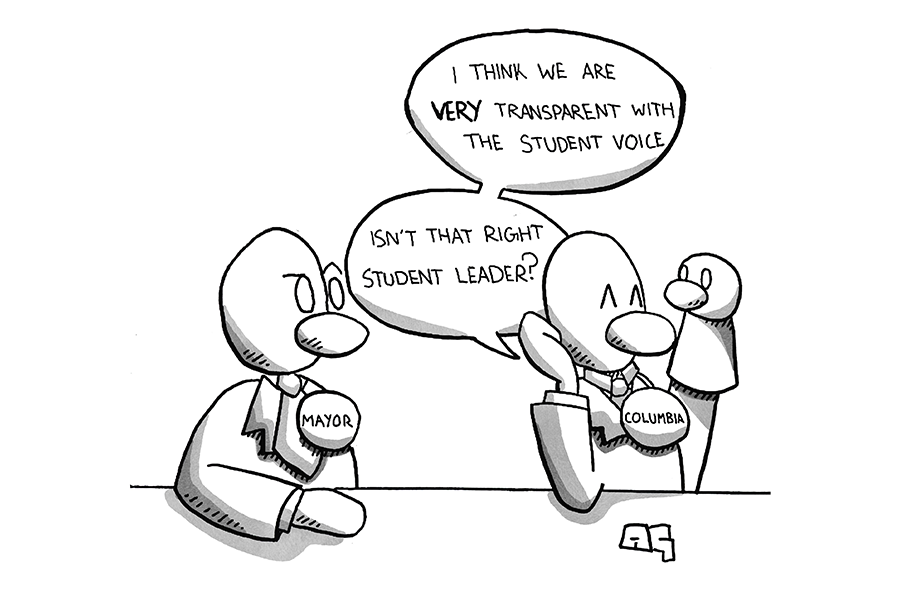
As a student-led media outlet, the Chronicle has a duty to our student body and campus community to inform accurately and freely. So far, we have been allowed to do that independently. We learned late last week that we will be allowed to attend and cover the annual State of the College address in October, giving us an opportunity to inform the campus about Columbia’s fiscal and academic health and its plans for the future. That’s the kind of transparency Bolton has promised and that we expect.
If national leaders struggle to protect free expression, it is even more vital that Columbia upholds students’ free speech and continues to support the Chronicle’s right to report without interference. Protecting the press, especially student media, is essential to ensuring that truth is not silenced.
Copy edited Manuel Nocera