
Columbia has always prided itself on community and on students shaping their educational experience. But last week’s Student Government Association election revealed how fragile that identity has become. Nine seats were open. Only one was filled.
These seats offer students the ability to shape campus policies and advocate for their communities, so every open seat is a loss to student representation.
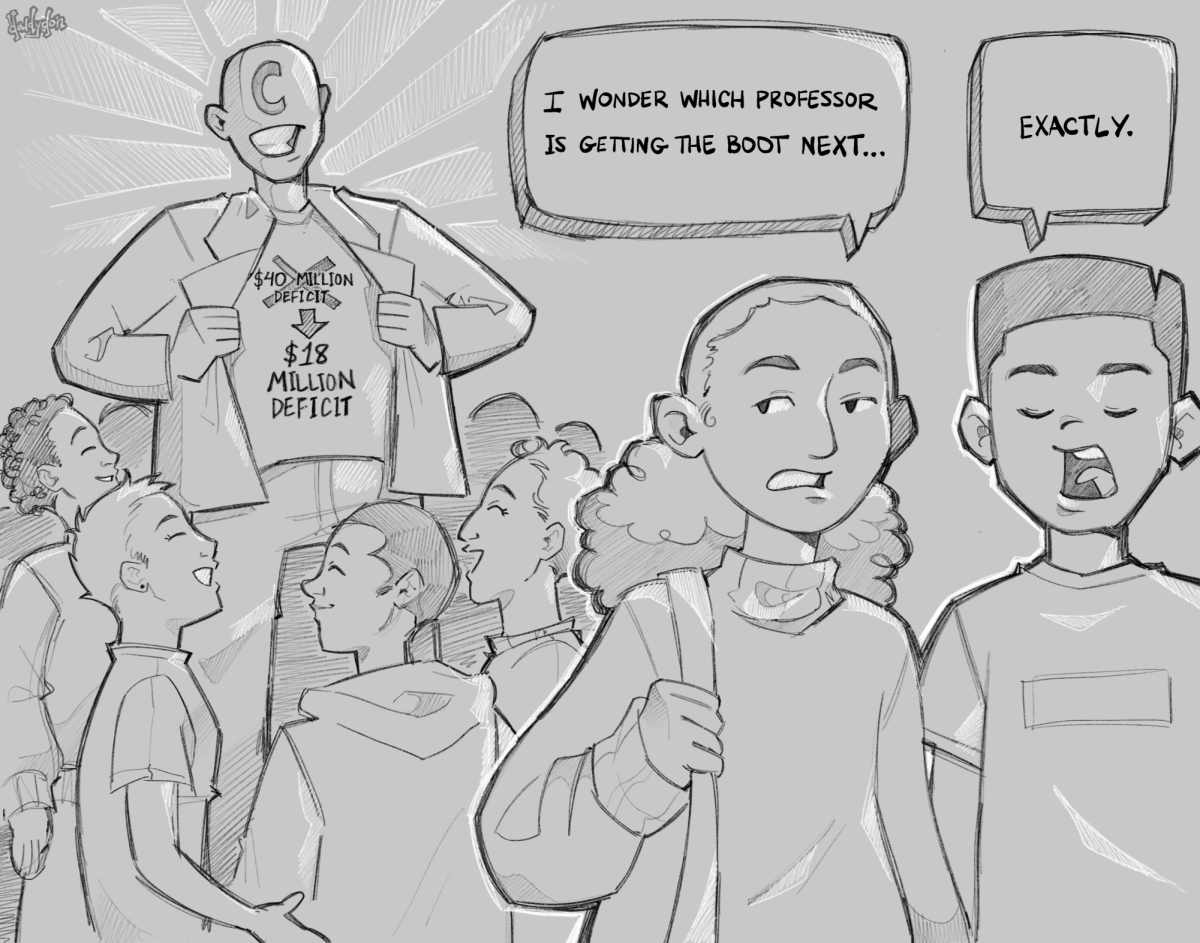
Columbia has lost over 1,000 students in a single year, dropping from 5,571 in 2024 to 4,461 in 2025. But enrollment decline alone does not explain empty ballots. It suggests something deeper: a campus where students may feel disconnected from decision-making or unconvinced that student government carries real influence.
The open seats included three academic schools and six distinct student communities, including international students, transfers, commuters, on-campus residents, student workers and honors students. Only the honors student position was filled. The School of Design, the School of Business and Entrepreneurship and the School of Audio and Music now have no active student senators.
Some may view this outcome as unfortunate but temporary. SGA leadership has said it is not surprising. Spring elections historically draw fewer candidates, arriving at a point in the semester when there is less excitement on campus and students are busy.
Special elections are possible if students step forward. SGA has faced low recruitment before and rebounded the following semester.
But relying on timing or patience avoids the larger issue. When eight seats go unfilled, the problem cannot rest solely on the calendar.
Columbia has long emphasized community engagement. Yet as enrollment declines and programs shrink, many students appear focused on simply getting through their degrees. When survival becomes the priority, participation becomes optional and student government becomes an afterthought.
SGA should also consider consolidating seats or eliminating certain positions. A senate with 22 representatives may work for a larger campus body but not be realistic for a smaller one. Eight vacancies is evidence that the current make-up is unsustainable.
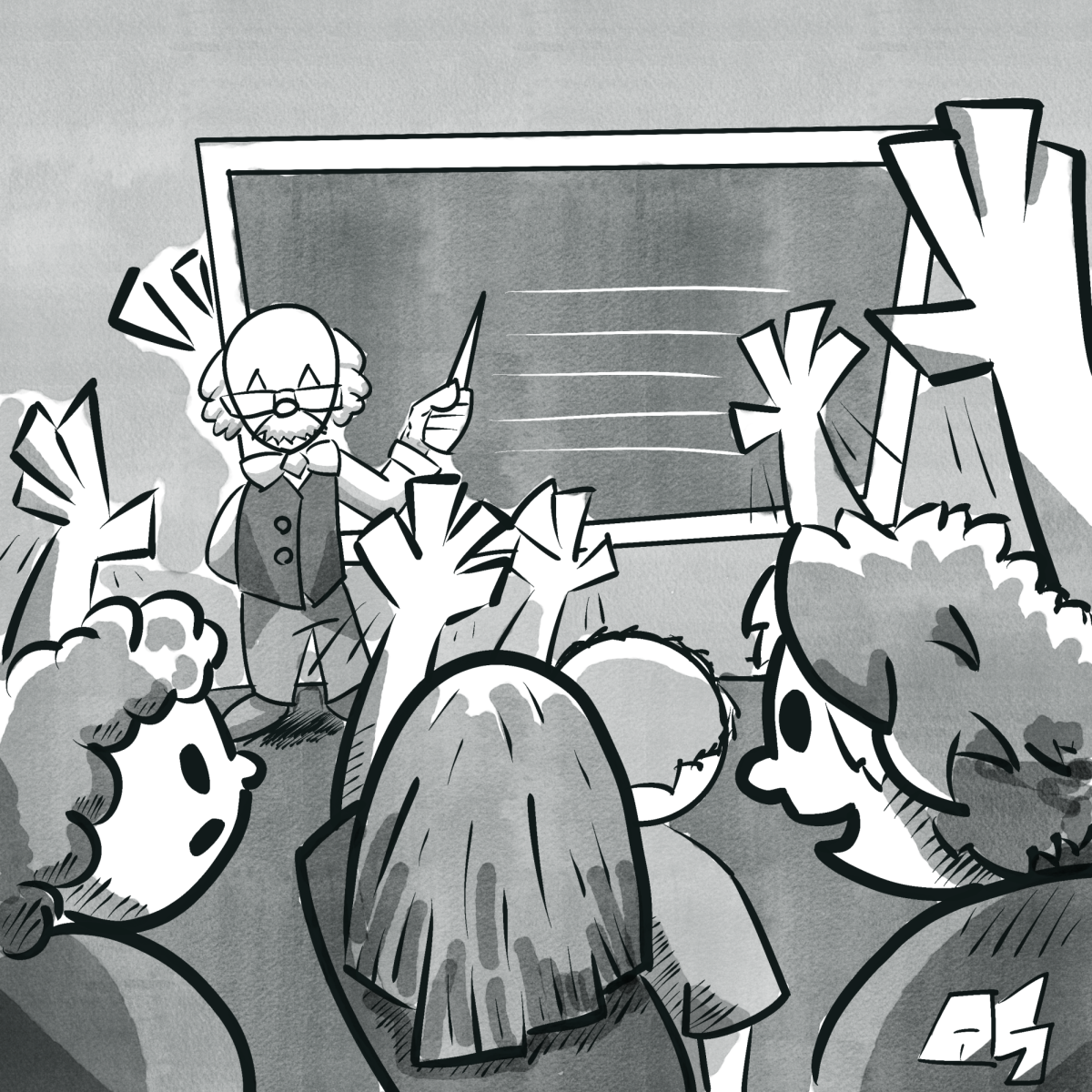
SGA’s work is largely invisible to most students who do not see the connection between senator representation and their campus experience. If students cannot see how SGA impacts them, they will not value the role of having representatives or understand what happens when seats stay empty.
Making SGA victories visible throughout campus would help with its exposure and, therefore, its interest level. Showcasing tangible impacts will allow students to understand the value of their representation.
Rebuilding engagement culture takes more than recruitment. It requires acknowledging the instability that has led to disengagement. It will take intentional effort and investment in students to repair.
Copy edited by Katie Peters