THE CREATIVE CAREERS ISSUE
During my senior year of high school in Arizona, I was a teacher’s assistant for a sophomore film class. Our teacher was transitioning at the time — and one of the few openly queer adults at our school, so the class attracted many queer art students who wanted to escape the judgment of their peers.
That same year, Arizona lawmakers tried to ban students from using their chosen names. Although Arizona Gov. Katie Hobbs vetoed the bill before it could become law, students still worried about teachers treating them differently if they used a preferred name, or worse, using the wrong name when communicating with their parents.
In that climate, our teacher began going by nonbinary pronouns, and their nameplate read “Mx.” Their social media accounts also displayed their chosen name. Some students began harassing them, at one point pushing them into a television. The school, which had once been supportive, said its hands were tied.
Our teacher ultimately quit, and we ended up stuck in a room with a sleepy substitute. There were few queer spaces left on campus when I graduated.
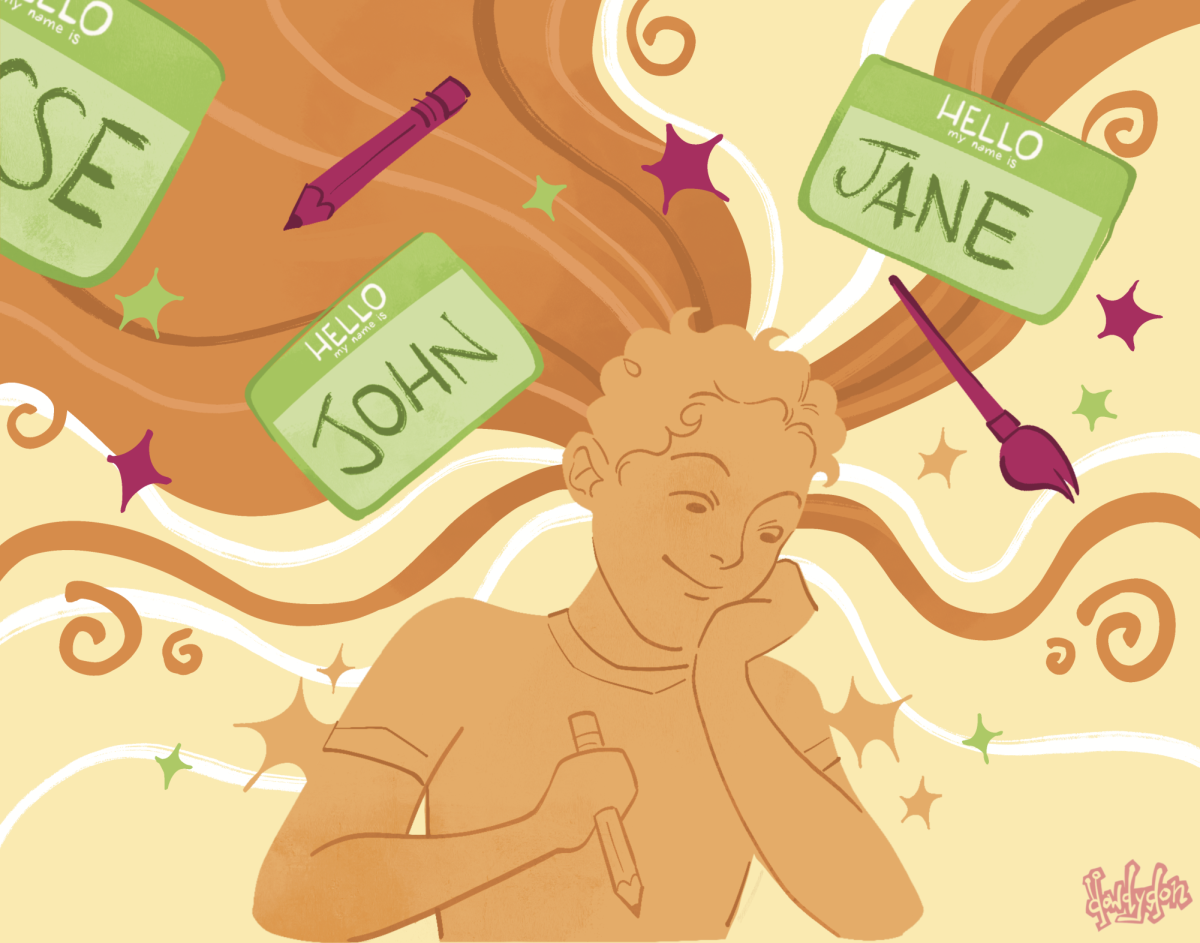
I see a different version of that struggle among artists at Columbia, where students can use their chosen names but still face questions about how openly they can use them beyond campus.
Students need guidance as they navigate professional and public lives beyond campus. The college should help students understand how to use their chosen names in portfolios, publications, performances and job applications, while connecting them with resources when legal documentation becomes a barrier.
These challenges are part of a much larger pattern of laws and policies that make it harder for trans people to live under the names and identities they choose.
Since 2024, 189 anti-transgender bills have been passed into law around the country.
In Wisconsin, a documented gender change requires a surgical sex-change procedure. It also requires the person to publish their old name in a local newspaper for three weeks — exposing their prior identity to locals. The state may not ban name changes, but it adds further pressure.
In Arizona, changing the gender marker on a license requires going through a name-change process with the Social Security Administration, as well as a signed statement from a licensed physician attesting that the applicant is “irrevocably committed to the gender-change process.”
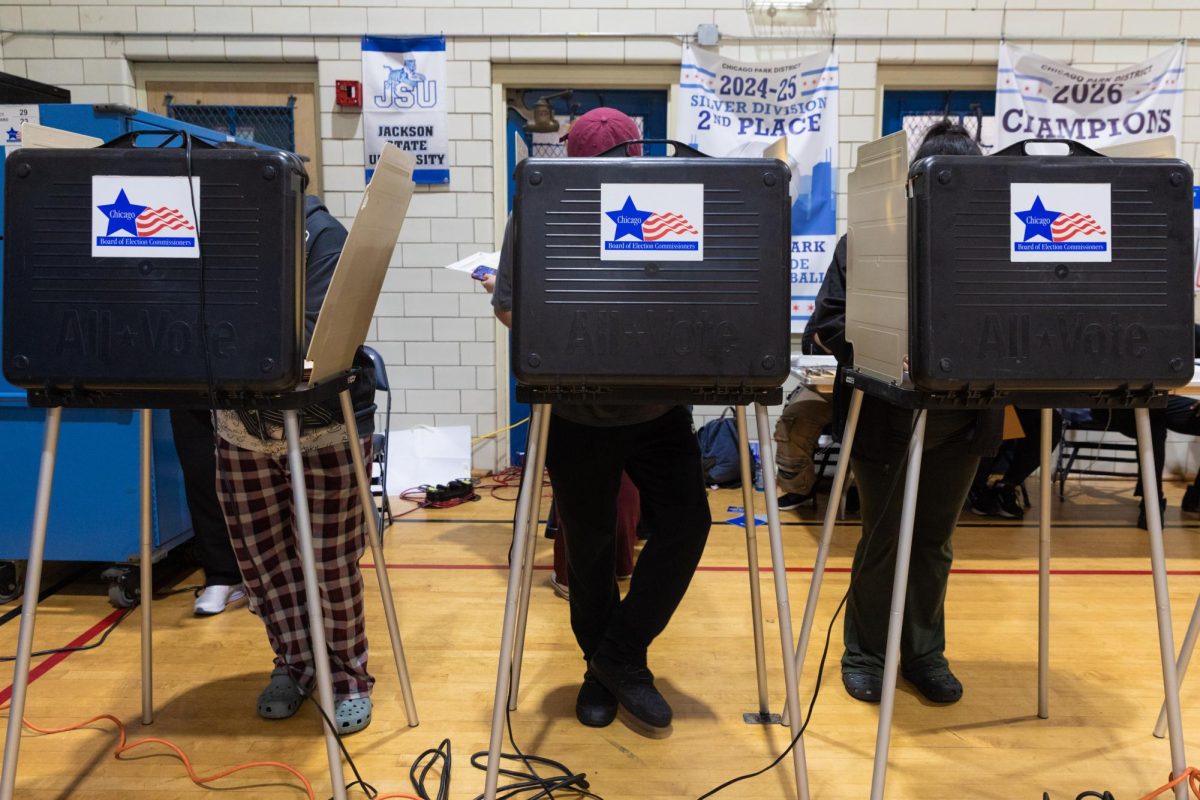
The lawmakers elected in the 2026 midterm elections need to prioritize trans people’s access to being able to live under their chosen identities.
When a law restricts a person’s ability to live as they choose, with the name they choose, we strip away the beautiful portrait of a person who is whole.
I often think about the students from my high school. They’ve graduated by now, too. Many of them have dropped from social media completely, still use their deadnames or have detransitioned. Very few of them have pursued their artistic careers.
But I also think of my old film teacher. Recently, they were in a gallery in Arizona, displaying a series of photos of their post-transition body, not in shame or anger or even spite, but in reclamation, under their chosen name.
Copy edited by Mia Smith
This story also appears in the Chronicle’s fall issue.