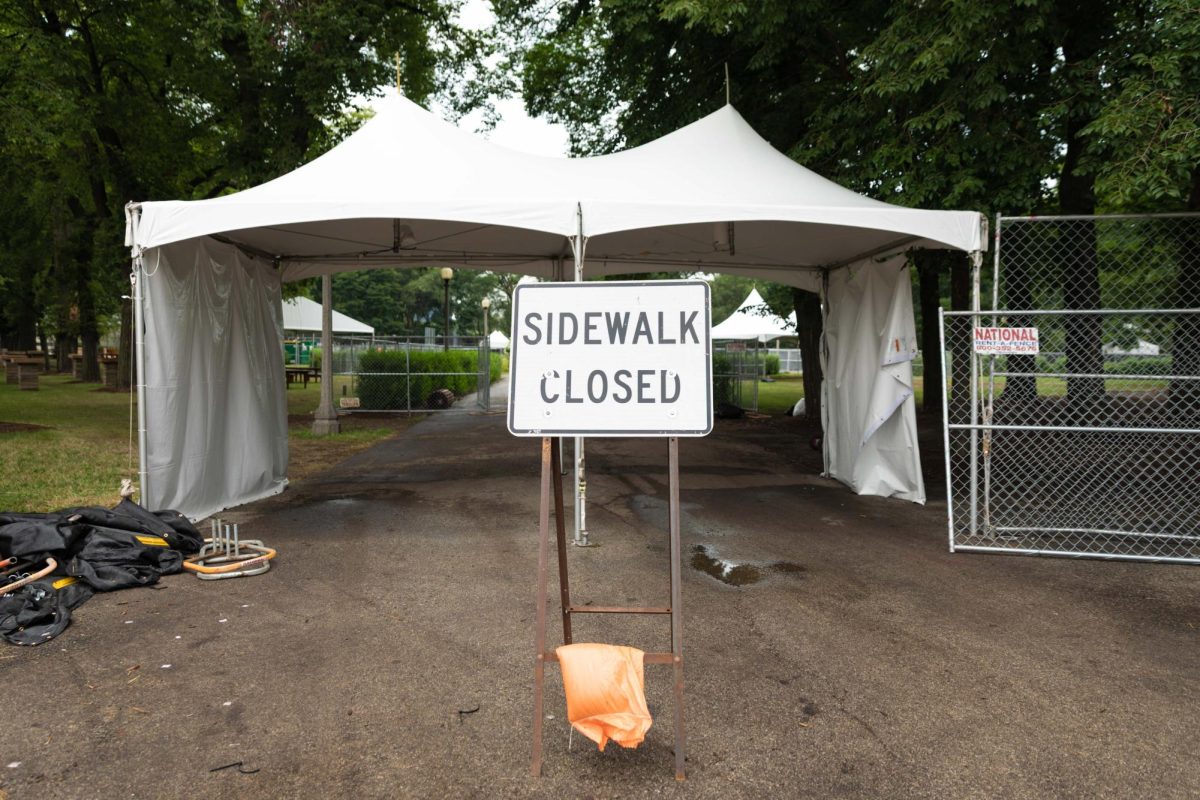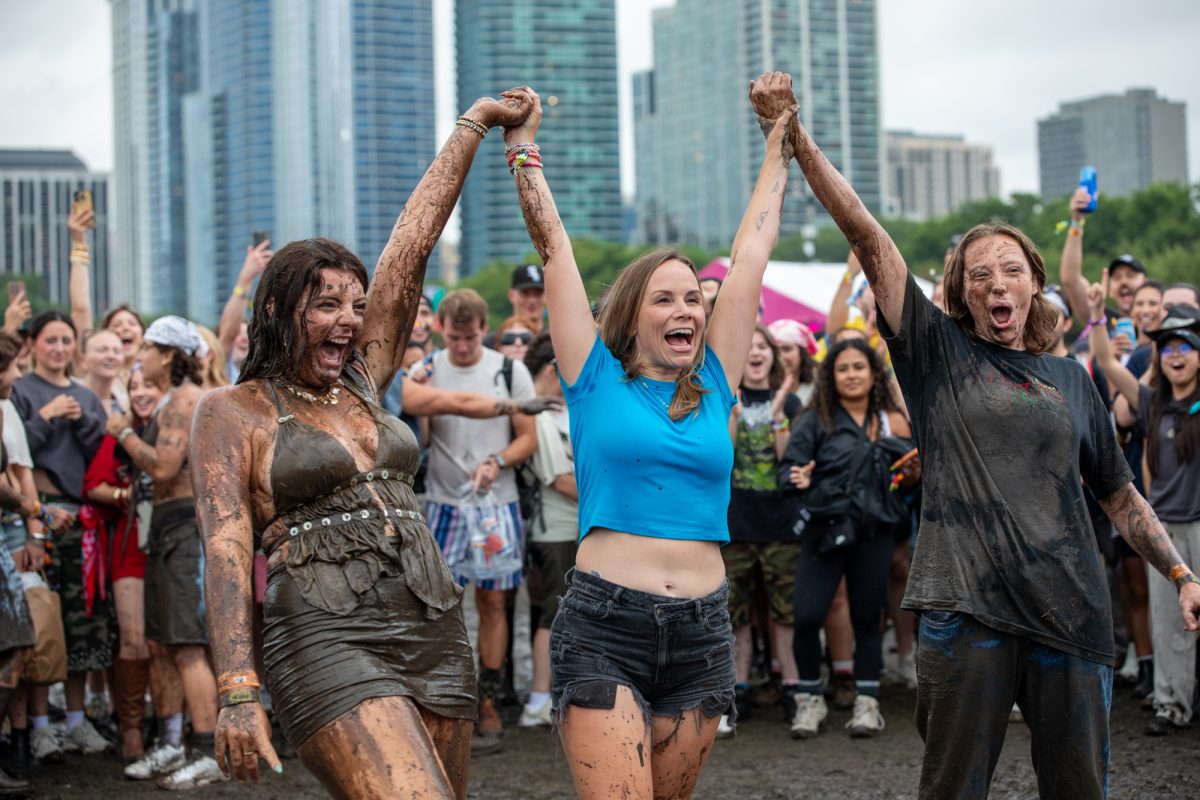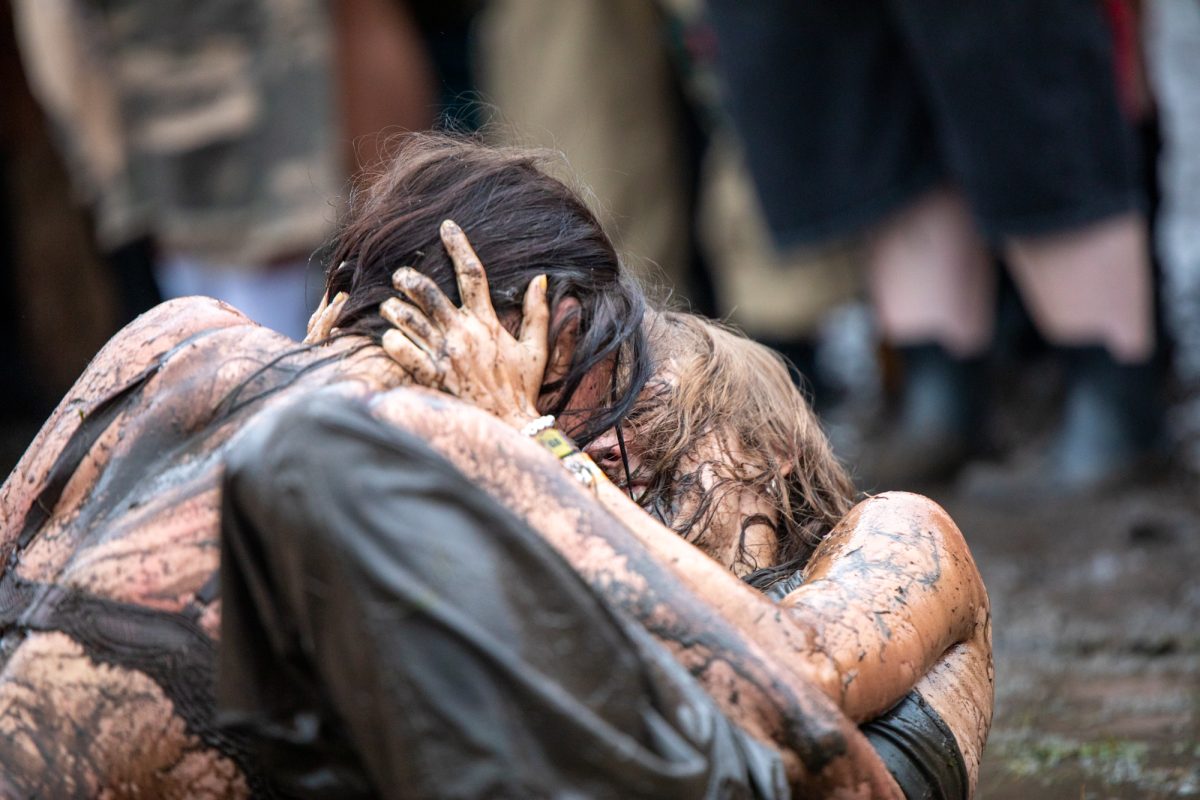
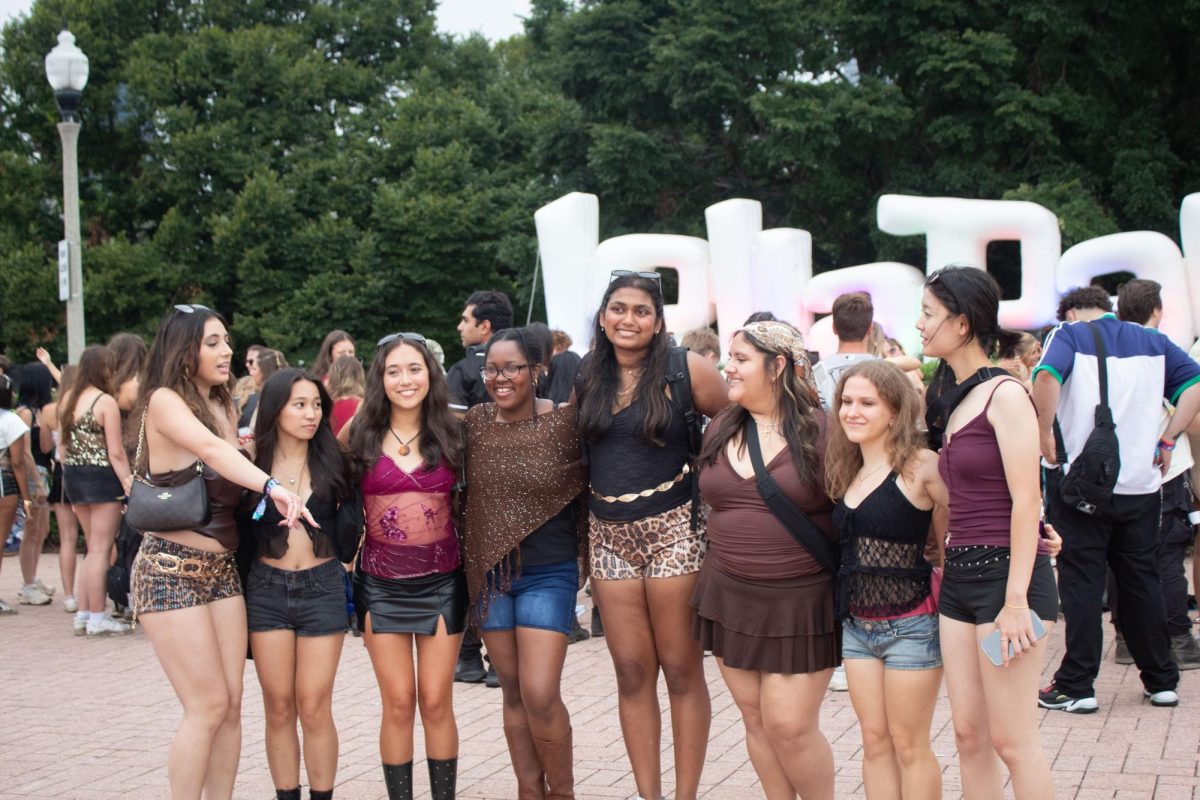
The fourth and final day of 2026’s Lollapalooza on Aug. 2 began much smoother than the prior day’s opening. Gates opened on-time to overcast weather that slowly transitioned into a bright, sunny sky. DJ Zack Martino blasted energetic house music that extended through Grant Park, celebrating 35 years of the festival.
Lollapalooza began as a touring festival dedicated to alternative rock, but after the festival was revived and moved to Chicago in 2005, it grew to accompany new genres.
Some festivalgoers say that Lollapalooza’s history of diverse genres is part of its draw, creating a festival that celebrates the larger history and culture of music.
Griffin Sitos was attending his 12th year of Lollapalooza and repeated this sentiment.
“I don’t think the genres have stagnated or that there’s been a major shift in the types of artists performing, they do a good job of having a mix every year,” Sitos said. “Some years I would say they are too rock music heavy on some of the stages, but this year they’re great.”
Festivalgoer and Chicagoan Joe Carani has been going to the festival for almost a decade, and he said that he could notice a shift in leading genres.
“I think it’s gotten a little poppier, [before] I would say it’s a little rockier, a little grungier, edgier,” Carani said. “I like the pop leaning direction.”
Lollapalooza’s attendance has grown from an estimated 65,000 attendees in 2005 to 460,000 attendees in 2025, raking in $480 million in overall economic activity for Chicago.
Lollapalooza’s growth since its inception in 2005 has been substantial for the city of Chicago, but some attendees question who the festival is for anymore.
Age demographics for the festival show that most attendees are 16-19 years old.
Alyssa Stilley of Greenwood, Indiana expressed her shock when she first started coming to Lollapalooza and saw who was showing up.
“I was surprised that there were so many young people that came to [Lollapalooza] because I didn’t come until I was like 22 or 23,” Stilley said.
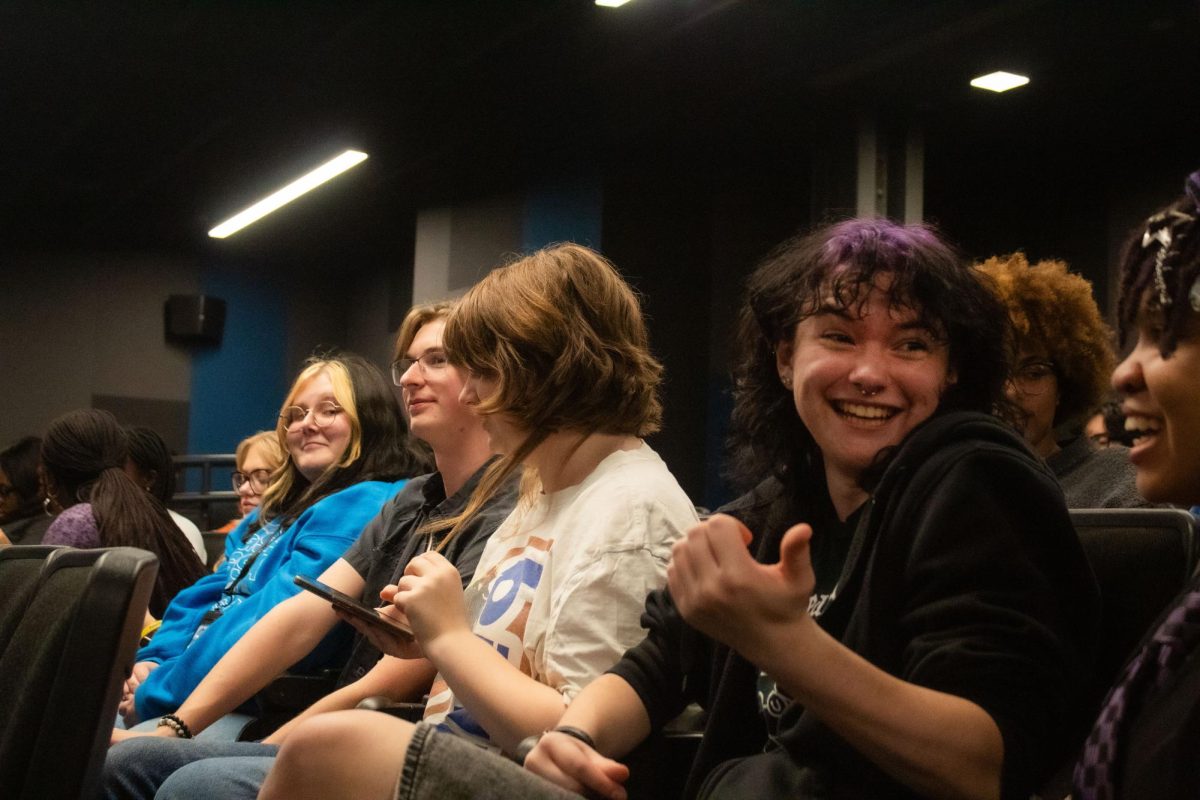
Chicagoan Stewart Mast went to Lollapalooza in 2021, and now again in 2026. He said that despite there being more young people at the festival, the general demographic was very diverse in age.
“Some people don’t like that there’s so many younger crowds, but I think it’s really cool for the festival to say that you really see everyone here,” Mast said. “You see anyone from a five year old, to a 50 year old, and I think that’s really cool.”
In 2026, Lollapalooza included several out-of-country artists that drew in a number of international tourists, including the debut of P-Pop band SB19, which drew a slew of its fans to Chicago from the Philippines, as well as several Irish artists like Kingfishr, CMAT, Amble and Chalk.
K-Pop also had a continued presence.
Maggie Betz has been at all 4 days of Lollapalooza, this being her third year attending. She said she started to come due to the increased presence of K-Pop.
“I listened to pop a lot, so I really like the pop artists,” Betz said. “All the years I’ve been coming, it’s because they started having K-pop here. So I came because of that.”
This year, 5 out of 8 of the headliners were white or were predominantly white bands. Compared to 2025, 5 out of the ten artists or bands were white, drawing some concerns of racial diversity from audience members.
Festivalgoer Kwame Aryee-Mensah commented on the lack of Black artists performing at Lollapalooza.
“Where are all the Black people at, man?” Aryee-Mensah said. “I feel like it could probably be a little more, but it’s alright.”
However, a higher concentration of female artists were featured compared to 2025, with 5 out of the 8 headliners being women, while last year, 5 out of 10 artists were female.
Festivalgoer Adrienne Redman was attending her first Lollapalooza, and was happy with the amount of female artists.
“I think this year’s Lolla was for the girls, for sure. So a lot of girly pop, oh my gosh, Charli was so good. Lorde was so good. This was definitely for the girls this year,” Redman said.
One new female artist on the scene was lead singer of New Constellations, Harlee Case, who plays in the band with Josh Smith, who has been her best friend since high school.
“At the end of the day, we were like, no one could love this and we are happy because we love it [the album] so much. I got to watch my best friend make an album and it’s good. Like that’s enough for me,” Smith said.
The Portland, Oregon-based band was shocked by the age diversity of the crowds they drew in, with many middle-aged or older men drawn to their ‘80s-inspired dream pop sound.
“There’s a lot of older men. Like older men that know every single word, it’s nostalgic for them,” Case said.
“There’s like enough eighties influence in our music, right? That these guys like to hear it and it’s reminiscent of when they were young and free and so I think they connect to it on that level,” Smith said.
Lollapalooza also opened itself to a new crowd this year, with the introduction of THC drinks to the festival in an official partnership with RTHYM Inc.
Case used to work within the cannabis industry and thinks that the inclusion of THC drinks allow for a safer option for young people to enjoy themselves without alcohol consumption.
“We can fucking have alcohol fed to us at breakfast, lunch and dinner– But no, no weed,” Case said. “So it makes me really excited to see THC because that is a better alternative for someone to be using and it’s like, I feel like people that are smoking rarely are like, ‘oh, I got in this brawl.’”
Lollapalooza is charging $16 for RTHYM Inc.’s Señorita THC drinks, nearly triple the cost from the $4.99 market price.
The prices for Lollapalooza have been slowly growing each year, with General Admission prices for a 4-day pass going from $385 in 2025, to $399 in 2026: A $14 increase.
In the merch line, festivalgoer Sarah Jazdzewski reflected on how raising ticket prices could potentially push certain music fans out of Lollapalooza.
“I think a lot of these music festivals can be exploitative in their prices, it’s hard to get a ticket, especially if you’re someone who isn’t making as much money,” Jazdzewski said. “And I think music should be for everybody.”
Additional reporting by María Paula Sanchez
Copy edited by Antonio Chaves