
To help address its budget shortfall, Columbia cut 18 majors across the college and laid off 43 full-time faculty this past spring. For students in these programs, it’s been a gut-punch.
I am an ASL-English Interpretation major, one of the programs being phased out or merged in a historic restructuring of the college that aims to address declining enrollment and revenue.
At first, my classmates and I were disheartened. But as we sat with the news, disappointment gave way to determination. We resolved to make sure anyone who encounters our program understands its value and the strength of the community around it.
Finding new ways to keep these disciplines alive can benefit future students and give them opportunities to explore. Even if the majors vanish, their classes and knowledge don’t have to disappear from campus.
In my own field, for example, the ASL program is continuing to encourage students to learn and immerse themselves in Deaf culture. This summer, it offered beginner and intermediate workshops for both the campus and the Chicago community.
The School of Communication and Culture is likely to offer an ASL minor and minors for other majors that have been cut, including radio. A photojournalism minor, which will replace the major, has already been approved.
Offering minors doesn’t fully make up for cutting these valuable majors, but it is one of the ways to keep the learning available and accessible to the Columbia community. Students can focus on other areas in addition to their minor in these fields.
Art history, another major on the chopping block, is still offering multiple introductory courses, and most of them are full or nearly so this fall.
The program cuts have also reshaped Columbia’s core curriculum. Undergraduate degree requirements dropped from 42 credits to 30, freeing space in student schedules for courses they might not have considered before. That flexibility could lead to more interdisciplinary skills and more student-led initiatives, from new clubs to cross-disciplinary projects.
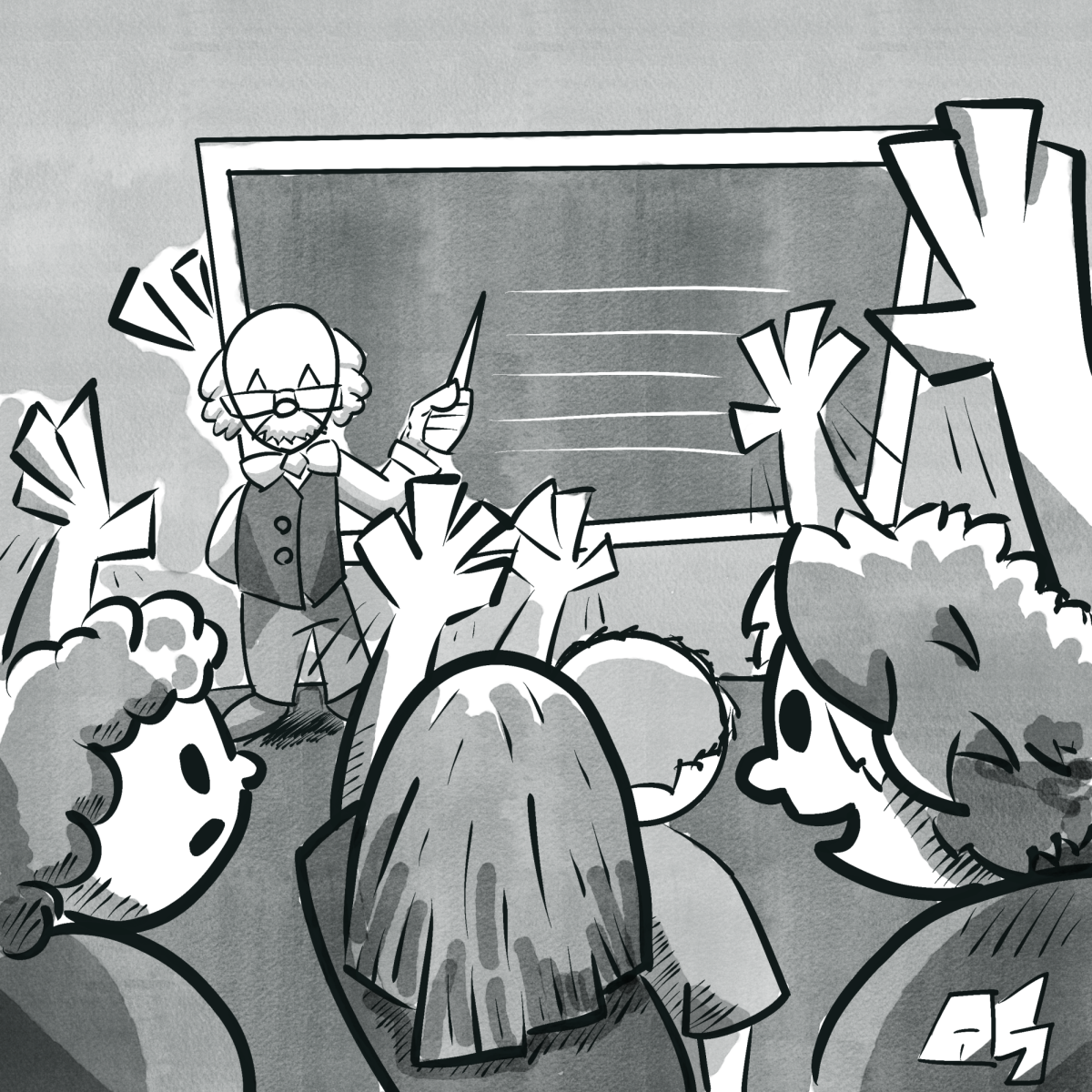
At times, it can feel discouraging to know your major will not be offered by the college after you graduate, but the power is now in the hands of the students and staff of Columbia to show prospective students that we still care about these topics and to push for the college to continue offering classes and minors in these disciplines.
This fall will be my last semester at Columbia before I graduate with the degree I came to pursue, and I see this as my turn to show students coming in what kind of community my peers and I have built and the resilience we have. My major will be phased out, but that doesn’t force me out of the ASL community at Columbia or in the Chicago area.
The sun may be setting on these programs. But the fire and passion of those who believe in them will not go out.
Copy edited by Brandon Anaya