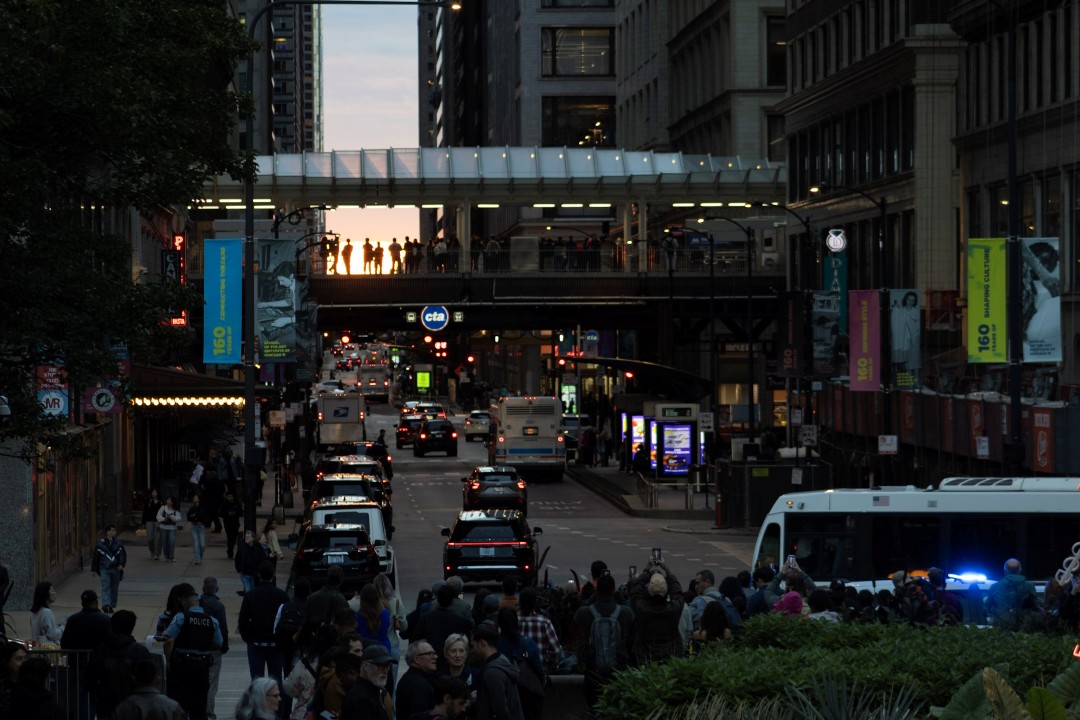
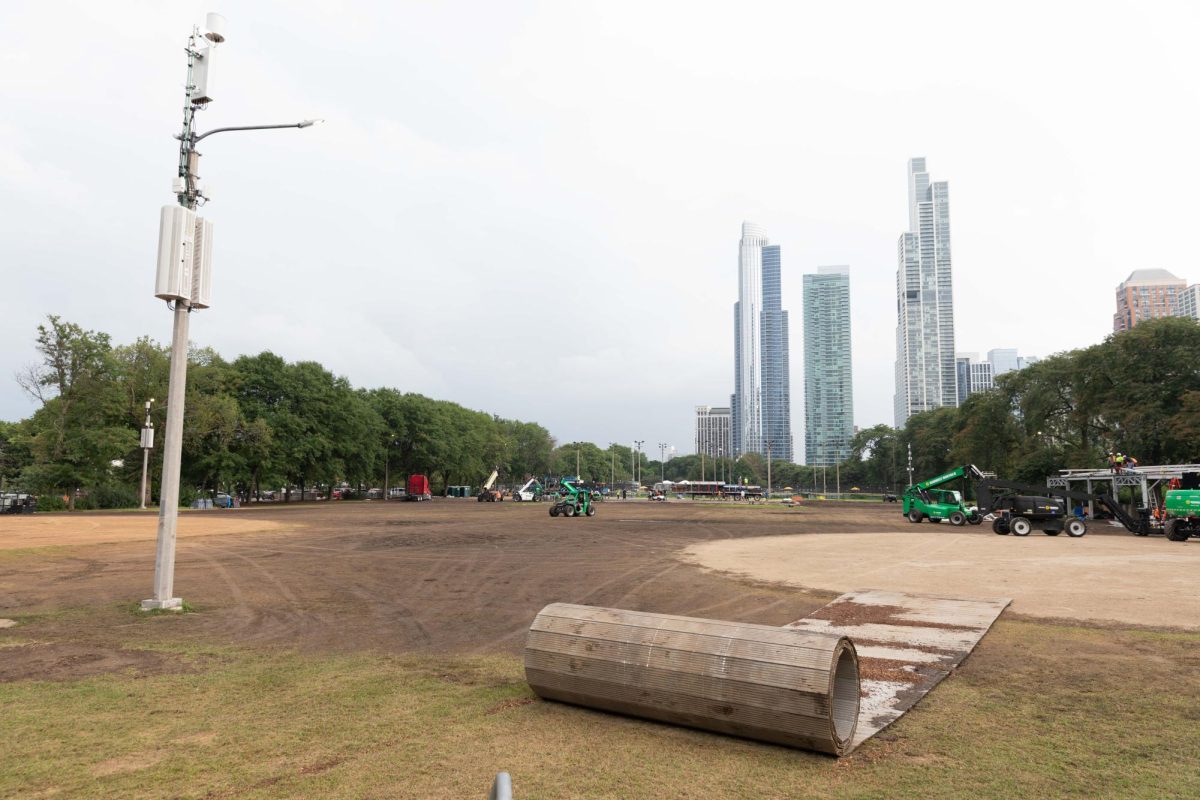
The music has stopped, but Grant Park won’t be back to normal anytime soon. While crews dismantled Lollapalooza’s stages within days of the festival’s end, restoring churned grass, muddy pathways and landscaping damaged by roughly 460,000 concertgoers will take much longer, with a formal damage assessment scheduled this week.
About 460,000 people attended the four-day festival, leaving behind muddy fields and wear on Chicago’s signature downtown park near Columbia’s campus after a weekend of heavy rain and intense heat.
A new round of storms came through on Tuesday, Aug. 11, with tornado sirens sounding in downtown Chicago and a lakeshore flood warning in effect until 5 p.m.
Under its agreement with the Chicago Park District, C3 Presents, the Austin, Texas-based promoter of Lollapalooza, is responsible for coordinating cleanup and restoring the festival grounds, said Irene Tostado, the Park District’s deputy director of communications.
Once the last of festival equipment, fencing and other temporary infrastructure are removed this week, representatives from the Park District, C3 Presents and a third-party contractor will inspect the site to assess damage to lawns, landscaping and other infrastructure, Tostado said in an email to the Chronicle.
Based on that assessment, C3 Presents will pay to restore the grounds to their pre-festival condition. This year’s walkthrough is expected to begin this week.
“C3 will be financially responsible for all reasonable costs related to repairing and restoring the festival area,” Tostado said.
The Park District does not know yet how long it will take for Grant Park to reopen.
“I don’t have any details at the moment as the assessment has not been completed,” Tostado said.
In the past years, restoration has varied widely. In 2011, extensive damage took about two months to fully repair, while in 2017, surrounding streets reopened within days. This year, no reopening date has been set yet.
The extent of the restoration will depend in part on the toll four days of unpredictable weather took on the park.
Opening day brought intense heat, with temperatures climbing into the 90s, prompting several medical emergencies as attendees packed into crowds.
By Friday and Saturday, showers began moving through Grant Park, so much so that Saturday was delayed by four hours, starting at 3 p.m. instead of the regularly scheduled time of 11 a.m.
By Sunday, the storms had moved out, but they left behind muddy fields, standing water and churned grass that festivalgoers accepted as part of the Lollapalooza experience, as audience members coordinated mud fights.
Zaeden Jones, a Columbia College senior film and television major, experienced the aftermath firsthand. By the last day of the festival, Jones said the rain had transformed parts of Grant Park into thick mud, with some areas nearly a foot deep.
“My boots are kind of trashed,” Jones said. “I went with a friend who wore white shoes, and those shoes are solid brown now.”
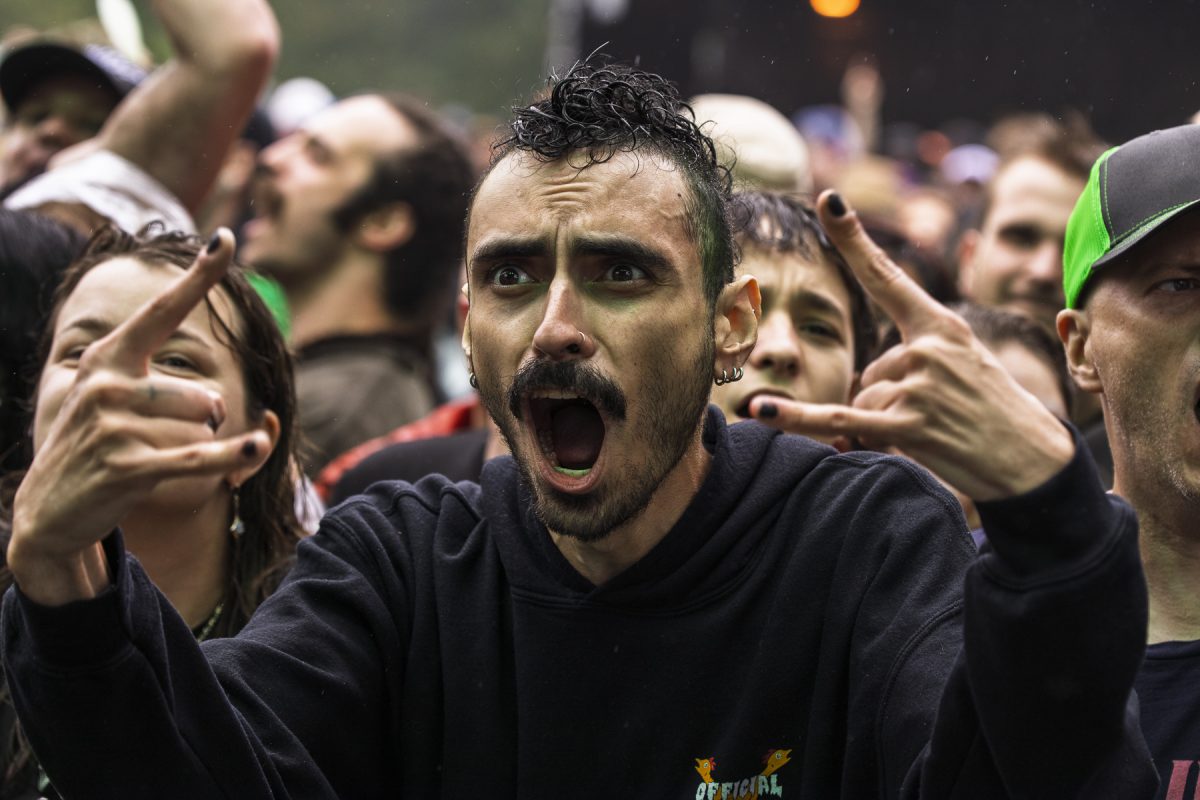
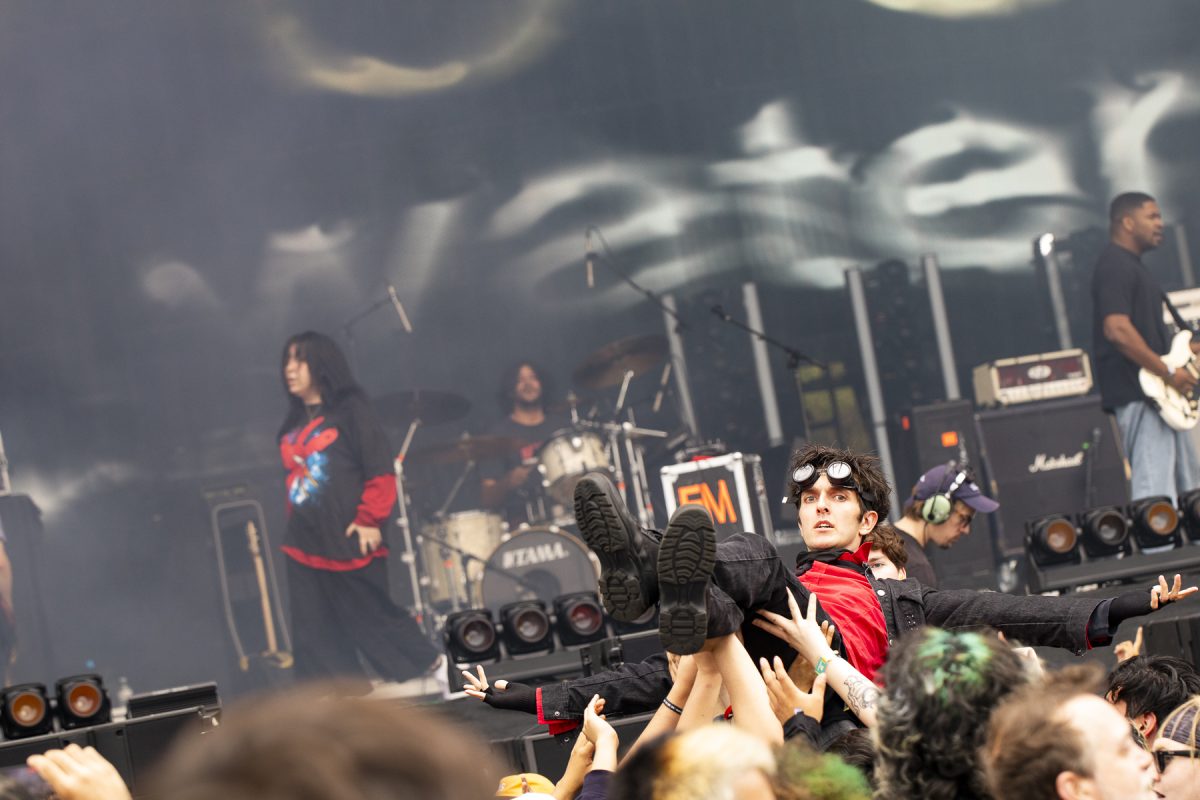
The muddy conditions only intensified the energy for some fans. During Turnstile’s performance, fans packed into the mosh pit despite the slick ground.
“Everybody was slipping for sure,” Jones said. “But everyone was pretty much having a blast.”
While the Park District has not yet estimated this year’s restoration costs, previous years show how weather can affect both the price tag and recovery time. After heavy rain in 2011, repairs cost about $1 million and took roughly two months to complete. In years with less damage, restoration has generally cost a few hundred thousand dollars and taken several weeks, according to news reports.
Unlike last year, Grant Park did not have to recover from both NASCAR and Lollapalooza. The NASCAR Chicago Street Race, which occupied streets and portions of the park for the past three summers, was paused for 2026 after its initial three-year run. City officials and NASCAR say they hope to bring the event back in 2027, but its absence this summer meant the park avoided weeks of additional setup, racing and teardown before the music festival.
In the past, the grass was restored by the time Columbia hosted its New Student Convocation at the park. In recent years, the college hosted convocation on campus, occupying a parking lot and space within the Student Center instead.
Repairs typically involve a combination of sodding, seeding, aeration, soil work and rototilling, depending on the extent of the damage. Officials have said in the past that new sod must be allowed time to take root before damaged sections can reopen.
Copy edited by Antonio Chaves