
Meta is introducing new restrictions on Instagram and Facebook accounts used by teenagers, but some Columbia students question whether limiting screen time will do enough to protect young users from harmful content.
The new protections include a two-hour daily limit, an overnight block from midnight to 6 a.m. and muted notifications during school hours. The measures are part of an agreement Meta reached in August with a group of 52 attorneys general across the U.S. and its territories.
For students, the restrictions raise a broader question about how much control social media companies can exercise over what young users see online.
Zane Kazor, a senior film and television major, said his parents restricted his technology use, but he found ways around those limits for Snapchat, Instagram and Reddit.
“I was just that hooked on everything,” Kazor said.
Looking back, Kazor said he believes his childhood social media use contributed to what he now considers an addiction. As a teenager, though, he said he would not have recognized the platforms as addictive.
“We’re in the beginning of the AI revolution,” said Miranda Rowley, a sophomore film and television major. “The way that we view AI is still so new.”
The new restrictions stem from an agreement Meta reached in August with a group of 52 attorneys general across U.S. states and territories. The agreement also includes parental controls, hidden like counts and options for teens to use a non-algorithmic feed.
In a separate case, a New Mexico judge this week ordered Meta to pay $25 billion after a jury found the company misled Facebook users about its data privacy and content moderation practices.
For some students, limiting the amount of time minors spend on social media does not address their broader concerns about the platforms.
Vlad Movsesyan, a sophomore music production major, questioned whether restrictions address the underlying problem.
“Instead of owning up and actually admitting fault for designing their app to be as addictive as humanly possible, they’re instead making it harder to use that said addictive app,” Movsesyan said.
Lizabeth Villanueva, a senior traditional animation major, raised another concern. Restrictions could make the content more appealing to minors.
“I feel like it’s just going to boost up their curiosity and encourage them to look for it more,” Villanueva said.
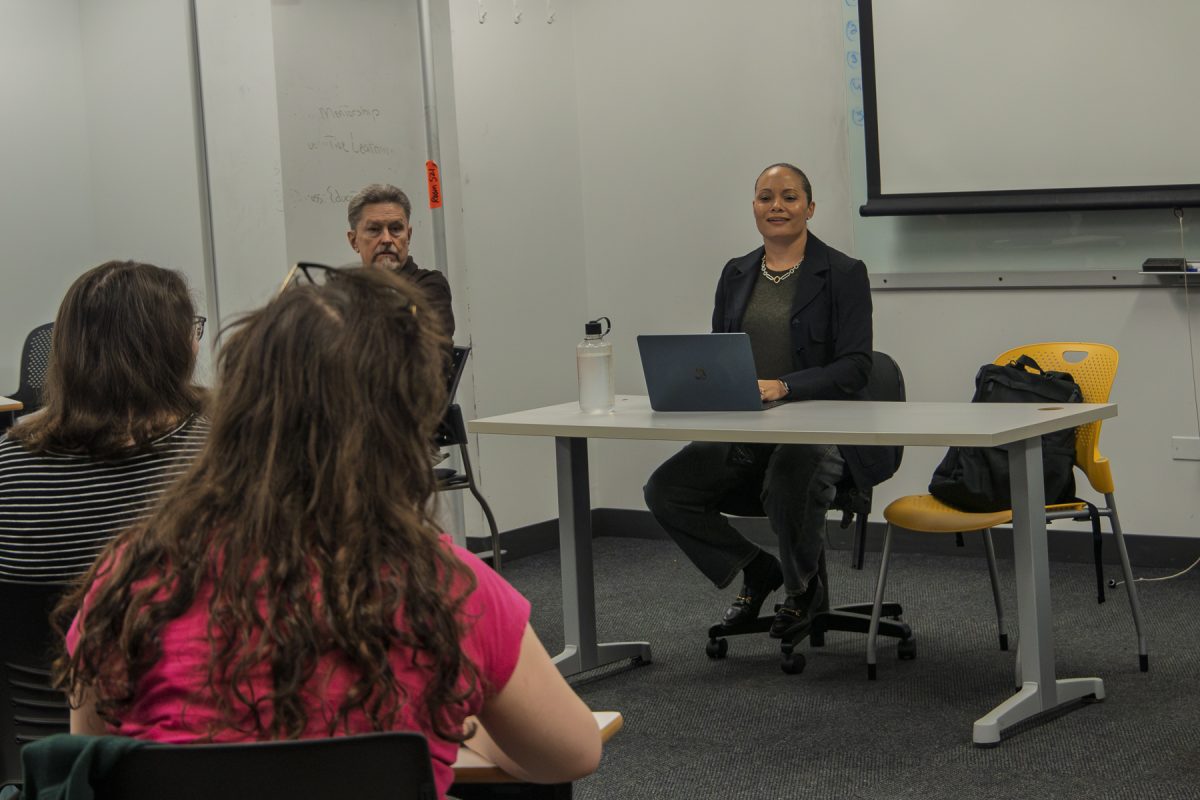
Daniel Ahiakpor, adjunct faculty in the School of Business and Entrepreneurship, who has more than 20 years of experience in digital marketing and advertising, including at TikTok, said protecting young users is a shared responsibility.
“It’s a team sport too,” Ahiakpor said. “These technology platforms have such a purview on usage, behaviors and habits, and the potential for harm. And so I do think it’s right that they have the responsibility to be as proactive as possible.”
Whether these restrictions can genuinely prevent teens from accessing social media is another concern.
Alexandria Mena, a sophomore fashion studies major, questioned whether limiting the amount of time minors spend online would prevent them from encountering harmful content.
“Maybe restricting won’t solve that because those images are still going to be there during certain hours anyways,” Mena said. “It’s not going to stop kids from being on there.”
David Ordaz, a junior who is undeclared about their major, said they favored warnings or blurred previews for sensitive or explicit content that would allow users to decide whether to view it.
“I think there’s like a few social media posts that have a blurred screen that say like, ‘Hey, do you wish to see this?’” Ordaz said.
Ahiakpor said he views Meta’s restrictions as progress, even as questions surrounding the company and new technology continue to grow.
“I agree with maybe the suggestion that, in some ways, this is a drop in the bucket,” Ahiakpor said. However, “it’s still progress even if it feels late or even if it feels, you know, a little bit incremental and not substantial enough.”
For Ahiakpor, the restrictions are a beginning to a larger conversation surrounding evolving technology companies and the grounds for responsibility toward users.
“It means we just have more work to do,” he said.
Copy Edited by Mia Smith