What does it mean to be in “a very Chinese time” of your life?
The phrase, a tongue-in-cheek social media trend used to describe immersion into Chinese culture, sparked a conversation about cultural appreciation and appropriation during a panel at Columbia’s C3Expo on Saturday, March 14.
“When I first heard of that trend, it immediately felt questionable,” Arianne Batang, a film and television graduate, said.
Although after further research Batang understood the original context of the trend, which was to engage with Chinese culture, she said it is “problematic” due to its appropriative nature.
“Apreciation is based on respect, understanding and honoring a culture,” she said. “Appropriation turns culture into a joke, stereotype or form of entertainment at the expense of the people.”
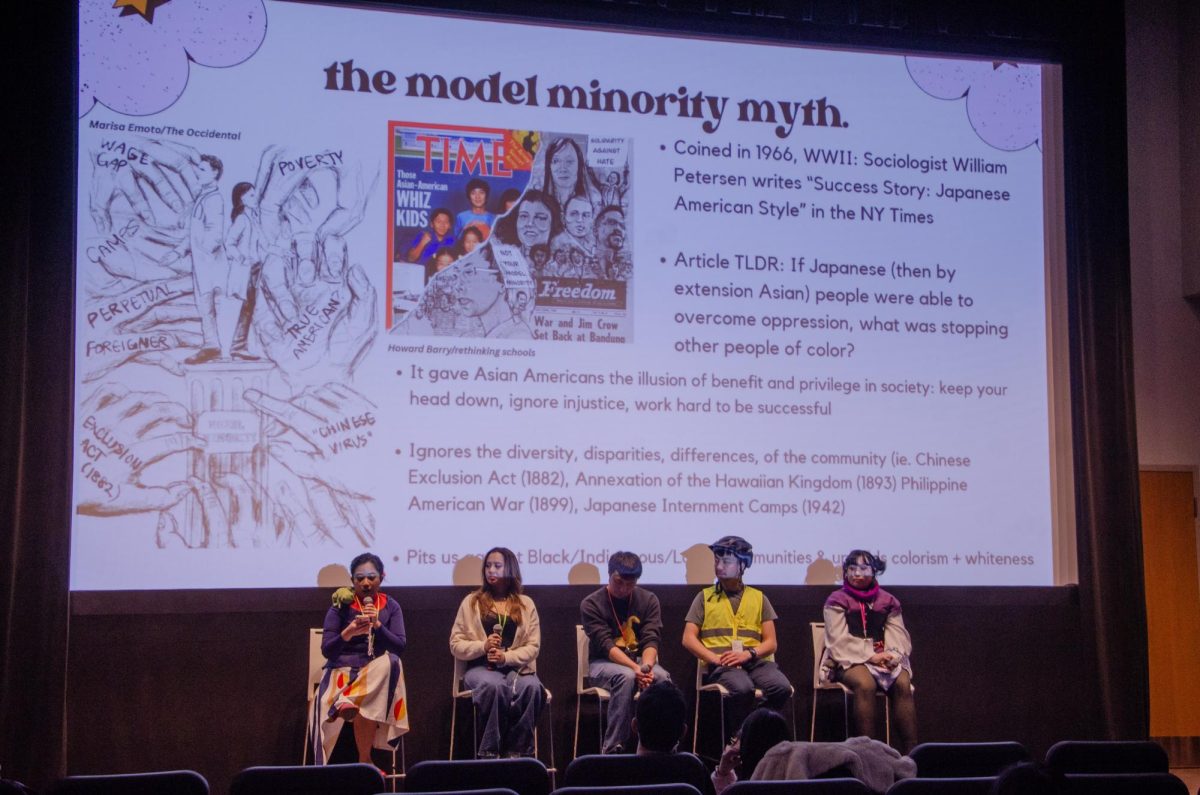
The discussion was part of a broader conversation about Asian representation, identity and fandom culture during a panel titled “Asian Media in Fandom Spaces” hosted by Not Your Model Minority! — a nonprofit organization founded by Columbia alumni with the goal of educating and empowering the APIDA community.
“We’re all here today to unpack, educate, and dismantle in order to empower one another,” Kait Venturina said, a film and television alum who paneled at the event.
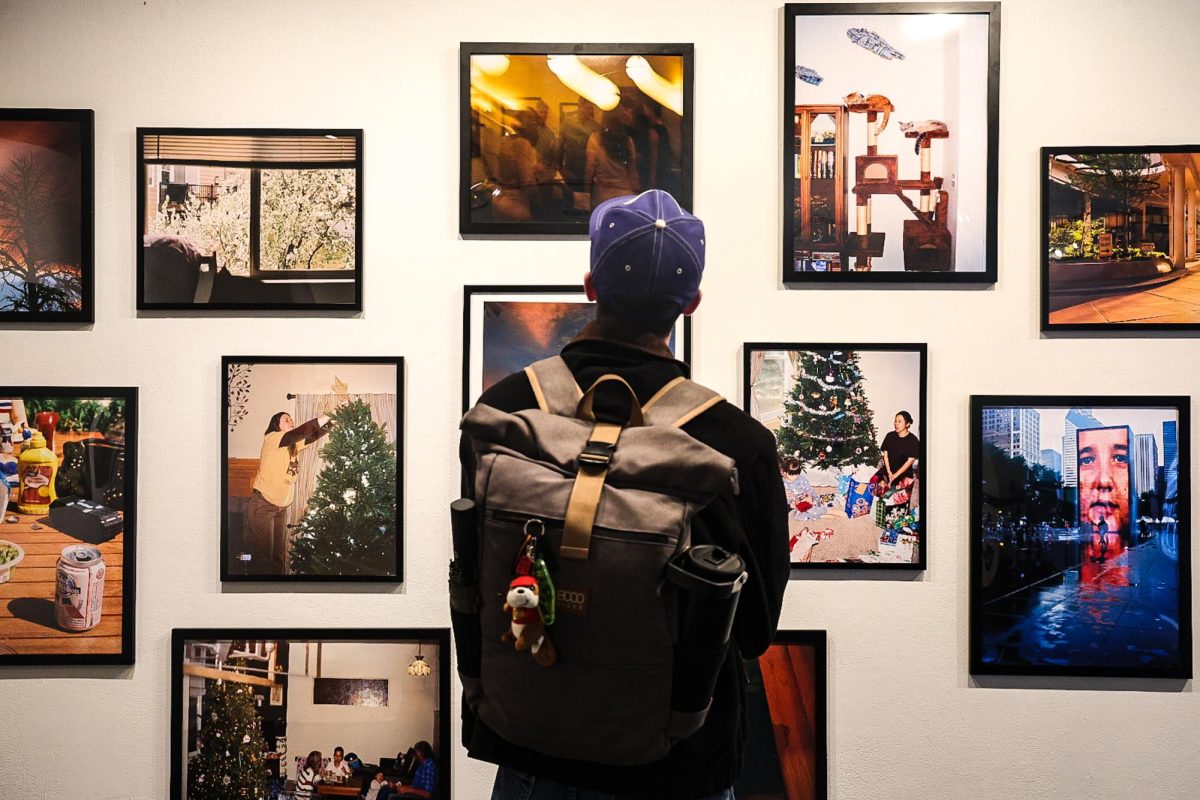
C3Expo is an annual anime, gaming and pop culture convention organized by Columbia’s Japanese Anime and Manga Club. It took place throughout the eighth floor of the 1104 S. Wabash Ave. building, being accessible to anyone outside of Columbia.
Venturina was joined by Columbia alumni Batang, Suprajira Morakotjantachote, Wesley Enriquez and Mitchell Ray Cheng, all former executive board members of Columbia’s Asian Student Organization, now known as Asian Alliance.
“I hope this panel holds up a message to all of us here to understand the intersection of the common struggle that we all face today,” Venturina said.
Throughout the afternoon discussion, the group showcased a presentation to explore a variety of topics, including the differences between cultural appropriation and appreciation, the distinctions of continental and diasporic Asian communities and the evolution of their representation in western media.
“We keep in mind what’s going on in the world currently, and we change slides to fit more recent examples,” Morakotjantachote, a film and television alum, told the Chronicle.
Panelists also referenced examples from films and television shows to explore both the evolution of Asian representation in media and the distinctions between continental and diasporic communities.
“Growing up, we didn’t have a lot of Asian creators and storytellers that had power to open the narrative that was written,” Venturina said.
She added that representation has since grown “exponentially,” with more positive portrayals of Asians in media.
Simon Enriquez, an C3Expo attendee and brother of a panelist, said their discussion provides “a really good commentary” on the Asian American experience.
“I feel like we’ve seen a lot of progress in terms of Asian representation in media,” Simon Enriqeuz said. “I feel like it’s topics like this that kind of help push things forward.”
Alayna Pickard, the vice president of the Japanese Anime and Manga Club, said panels such as “Asian Media in Fandom Spaces” are important to convention culture since they cover both fun and serious topics.
“[NYMM!] does really great work,” Pickard said, a junior acting major. “I think their panel is really valuable and important for people to hear.”
While the panel highlighted successes in Asian media representation, panelists emphasized that continuing the conversation is key to ensuring all voices are heard.
“Nothing is perfect,” Venturina said. “It is up to us to continue the conversation — to push for representation for everyone because we all deserve to see ourselves represented in stories.”
Copy edited by Katie Peters