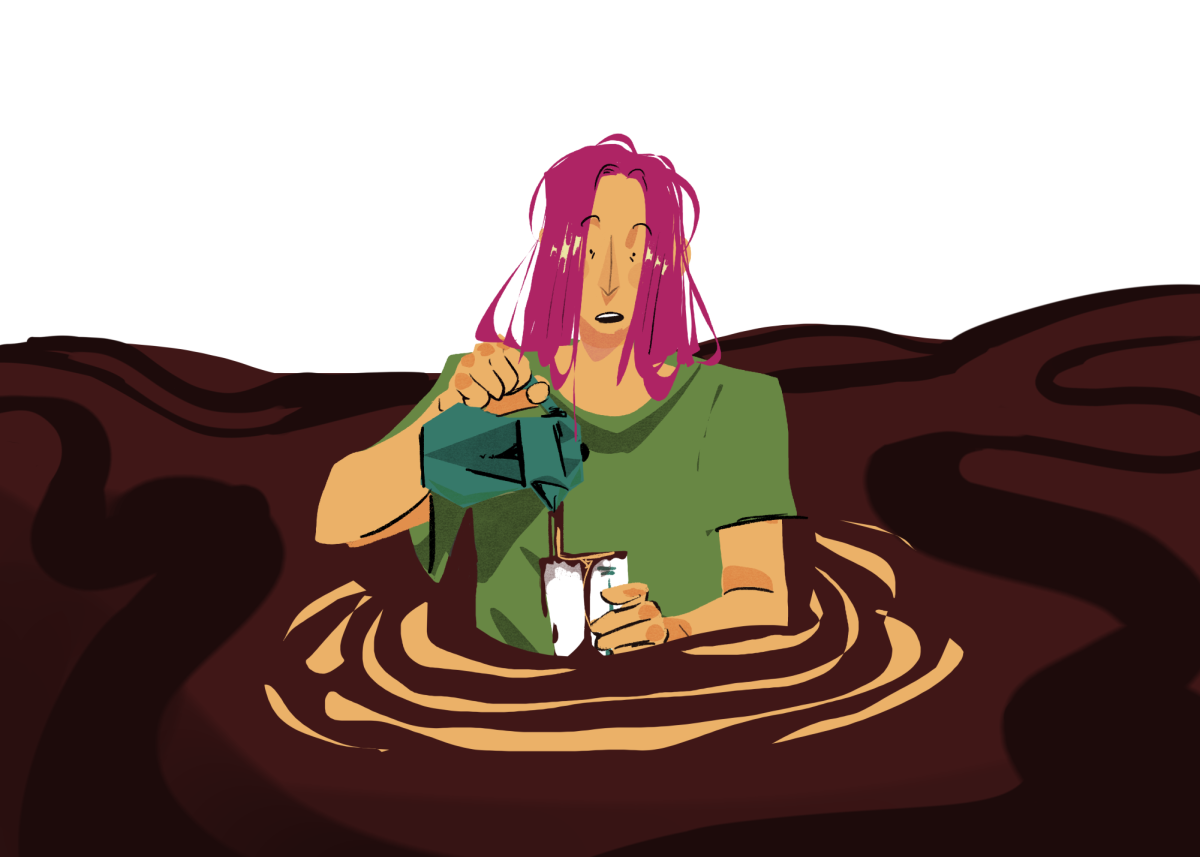

After a long day recently, I just wanted to flop on the couch and watch my Miami Heat. Instead, within minutes, I had a splitting headache — not from the game, but from trying to figure out where to watch the game. NBA League Pass didn’t have it. ESPN didn’t have it. Amazon, Peacock and the rest of the streaming services all wanted separate subscriptions, separate apps and separate fees.
That’s when it hit me: streaming wasn’t the cure for cable. It was cable just chopped into pieces, scattered across a dozen log-ins and somehow even more expensive.
In the cable era, the concern was focused on bloated cable bundles and on-demand viewing. Somehow, the solution to that was turning a single payment into 12 separate monthly payments on all the popular streaming services to be sufficiently entertained.
Streaming was pitched as the far more affordable option that allowed you to watch what you wanted, when you wanted. But with the recent price hikes and crackdowns on password sharing, streaming did not deliver on its promise.
If you were to spring for the premium service without ads on any of the major streaming services, you’d easily be paying more than $120 a month by my own calculations. Accounting for inflation, you would have paid $86.51 in 2010, which was still higher than what the majority of people paid for cable at the peak of its dominance in the early 2000s.
The other problem is streaming’s unreliable content libraries, with movies and TV shows constantly changing platforms at a seemingly random pace.
Just a couple of weeks ago, I was telling my brother that “Jurassic Park” was on Netflix. But by the time he went to watch one of his all-time favorites, it was gone. This simple promise of accessibility has been replaced with constant digital scavenger hunts where you and your friends aimlessly scroll for hours trying to find something to watch. Then, when you finally find a title you have been so desperately searching for, it’s only available for rent — despite already paying for multiple services.
This summer, streaming surpassed broadcast TV and cable for the first time, with 44.8% of all viewership, according to Nielsen ratings in July. But there are also signs that people are getting frustrated. Growth of paid subscriptions is slowing, research company Antenna reported in its quarterly “State of Subscriptions.”
Sports are on a completely different level of broken. Media companies are paying more for sports rights, and then passing the cost on to fans who have to do the Olympic equivalent of search and rescue to find their team.
Take the NBA: a single week of games can be spread across ESPN, NBA TV, Amazon Prime or Peacock, each with their own subscription, app and blackout rules. You can’t just turn on the TV and watch your team anymore; you have to check which platforms own the rights to broadcasting on that night, whether your region is blocked, and if the game is being nationally or locally televised. Even NBA League Pass, the league’s own service, doesn’t even allow full access to every game.
Following one NBA team has become a multistep process of switching apps, logging in and out and praying that the stream doesn’t buffer or crash mid-possession. It shouldn’t require this many hoops just to watch basketball.
What makes the current streaming landscape even more frustrating is how deceptive the pricing has become. Subscriptions that launched at $10 or $15 a month now have climbed toward $20 or $30.
Companies quietly add ad tiers or remove previously included features. “Bundles” are just cable rebranded, except now you’re juggling accounts, passwords and surprise fees. Also, password sharing crackdowns have hit regular families the hardest, with students in their college dorms finding themselves locked out of their own household’s accounts.
I’ve lost track of the number of times I’ve had to call my parents as they were getting ready for bed to ask them for a code sent to their email so I could watch “Daredevil: Born Again” or “Guillermo Del Toro’s Frankenstein.” Entertainment was once passive joy that now feels like a pay-to-win game with prices that keep rising.
The byproduct of all this fragmentation is a weird sort of cultural fatigue. There was a time when shows created collective cultural moments, with everyone tuning in to the same Sunday episode, talking about it the next day in classrooms, offices, bars and everywhere else. Now conversations dissolve into dead ends because no two people are watching on the same platform, or they simply are not caught up because of a lack of accessibility. Even choosing what to watch has become draining. Instead of connecting us, entertainment has become increasingly isolating, scattered across monthly paywalls that leave us with more content than ever before but fewer shared experiences.
The future of streaming feels like it’s heading toward an inevitable collapse or maybe a consolidation. Smaller platforms are already struggling to retain subscribers, and the bigger ones are drifting back toward the same bloated bundles that cable once offered. Some of this rebundling seems unavoidable, whether through corporate mergers, partnerships or a return to unified distribution models that look suspiciously like the system that streaming was supposed to save us from.
The real loss isn’t just the mounting costs or the hassle, but how all these barriers continuously drain any joy out of something that used to be and should be effortless. Movies, shows and sports connect us and give us shared moments that allow us to escape or just simply unwind.
The promise of streaming was never more content — it was more freedom. Until the industry remembers that, we’ll keep paying more for an experience that gives us less.
Copy edited by Mya DeJesus