
On days packed with rehearsals and back-to-back classes, senior theatre studies major Ava Cossolotto reaches for a cup of coffee before anything else.
“Honestly, I can’t remember the last day I went without having caffeine,” she said. “I would probably have a major headache.”
Her dependence mirrors a broader pattern, as a 2019 survey of U.S. college students found that 92% consumed caffeine, with average daily intake among users at 173 mg, which is little less than two standard cups of brewed coffee.
National research shows that energy drink use is also widespread among college students. A 2023 meta-analysis of 71 university-based studies estimated that about 43% of undergraduates consume energy drinks, making them one of the most commonly used high-caffeine products on campuses.
Caffeine is a stimulant found naturally in coffee, tea, cacao and some other plants, and it’s known for quickly increasing alertness and energy. It’s also produced synthetically and added to a wide range of drinks, foods and supplements.
At Columbia, where cafés, convenience stores and vending machines with options for caffeine surround campus, students say caffeine is not just a pick-me-up — it’s a routine embedded in campus life.
That routine is reinforced by branding that’s become increasingly visible across Columbia. Energy drink companies and national coffee chains have a steady presence on campus through event sponsorships, product drops and student-focused marketing, making caffeine not only accessible but embedded in the college’s social and promotional landscape.
Cossolotto said her caffeine consumption began as a coping mechanism during their first year at Columbia, when budgeting, rehearsals and academics created stress.
“I did fall into the habit of going to coffee places almost every day as a first-year,” she said. “I usually buy coffee once per week now and make it at home with my moka pot the rest of the time.”
Cossolotto added that she now limits herself to about one energy drink per week after experiencing mood swings, anxiety and headaches from heavy energy drink use in high school.
“The first year here was rough — I was buying groceries for the first time, didn’t have a job yet and would buy coffees almost compulsively and because of stress,” she said. “I would just think ‘I might as well,’ or, ‘I deserve it.’ I think food insecurity can contribute to compulsive buying, at least for me.”
While some students reach for caffeine as a personal coping tool, others are influenced by the convenience and accessibility of caffeinated drinks on campus.
Junior radio major Brayden Twombly said living at the University Center dorm makes energy drinks easy to grab.
“There’s a marketplace where I get my energy drinks. If not the marketplace, I’m normally getting energy drinks from stores around campus,” Twombly said. “I feel very tired on days where I don’t drink caffeine and it puts a damper on my day and I feel like I can’t get much done.”
Senior English major Niya Aliyah Rodriguez also noted that ease of access influences her daily routine.
“I get caffeine mainly from Dunkin Donuts or Red Bulls on campus or from the store.” she said. “I’ll go out of my way to get some caffeine even if it’s in the opposite direction of the building I have class in.”
Rodriguez said she hasn’t noticed much change after skipping caffeine for a day, but going two days or more without it makes her feel fatigued and irritable.
As caffeine culture becomes more embedded in campus life, senior music business major and Fairgrounds barista Pip Neuman said they’ve noticed students gravitating toward stronger and sweeter drinks, from extra espresso shots to ultra-milky iced coffees.
“It’s becoming more and more common to have people ask for an extra shot in their lattes, no milk in their cold brew, or confront me with the guilt they feel about consuming more caffeine, as if it’s a moral failing to need a second cup at 2 p.m.,” they said.
Neuman noticed students show up to early classes with large chain-store drinks or energy drinks — signs of how routine caffeine has become for many on campus.
“The amount of times I’ve heard people crack open a can of caffeinated soda or an energy drink in a 9 a.m. [class] is astounding as well,” they said.
UCLA Health reports that the heavy caffeine and sugar content in energy drinks may cause an initial burst of alertness, but it’s usually followed by a fatigue-inducing crash. For students, that post-sugar slump can make them reach for even more caffeine, creating a repeating pattern of highs and lows.
“I still see so many people walking around with iced coffees, practically white and filled with syrup. I take it that while some students want to embrace adulthood, they can’t handle the bitterness of a plain black cup,” Neuman said. “No judgement, of course, but sometimes the sugar crash cancels out the caffeine and it just becomes a cycle.”
Sandra Kumorowski, an associate professor of instruction who teaches strategic marketing and advertising at Columbia, said the communal role cafés once played near universities has evolved into the branded coffee culture students know today.
“From a marketing perspective, it’s clear that the appeal of coffee shops goes beyond the beverage itself; it’s about fostering a shared community space,” Kumorowski said.
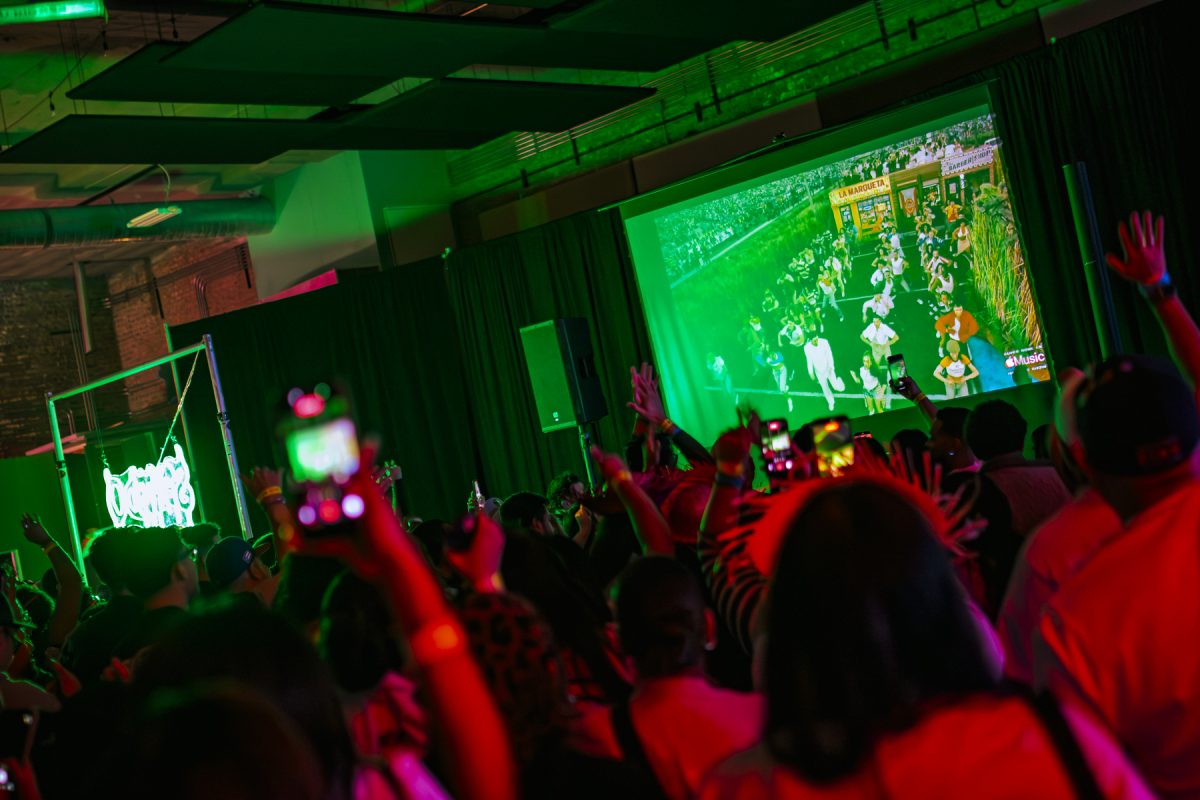
Columbia has increasingly partnered with caffeine-backed brands in recent years, with companies like Red Bull appearing at major campus events, sponsoring performances and employing students through marketing programs. During midterms and finals, the brand also stocks mini-fridges across campus with free caffeinated drinks, further boosting its presence among students.
From Manifest to the B-Series festival and student-run afterparties, the brand’s presence has become woven into campus programming and student work. These touchpoints show how caffeine companies build visibility and loyalty among college audiences — a trend Kumorowski said is central to understanding how lifestyle marketing shapes student habits.
“With the abundance of coffee brands available, targeting college students is a smart strategy for brands looking to convert occasional or indifferent coffee drinkers into loyal customers,” she said.
Kumorowski said that as caffeine brands deepen their presence on campuses, their influence reaches beyond visibility and begins shaping how students understand and normalize their daily caffeine intake.
“Coffee brands that target students need to carefully develop their strategies and messaging,” Kumorowski said. “It is essential for these brands to be responsible and positive in their approach.”
Copy edited by Matt Brady