THE BACK-TO-SCHOOL ISSUE
Most college creative projects end with the semester. Classmates graduate, schedules change and ideas that once filled classrooms disappear with old notebooks, but not for Danne Wendel, Melpomene Ray Alexander and Aiden Fijal.
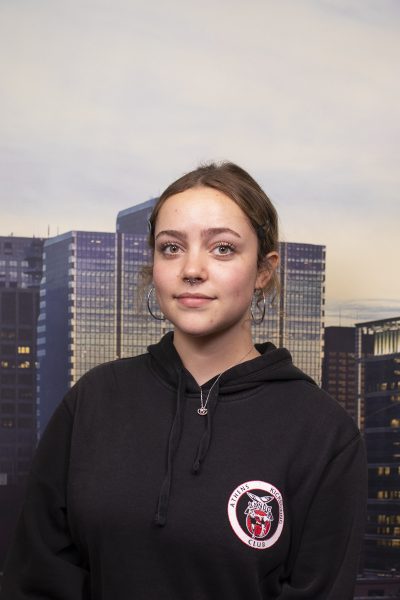
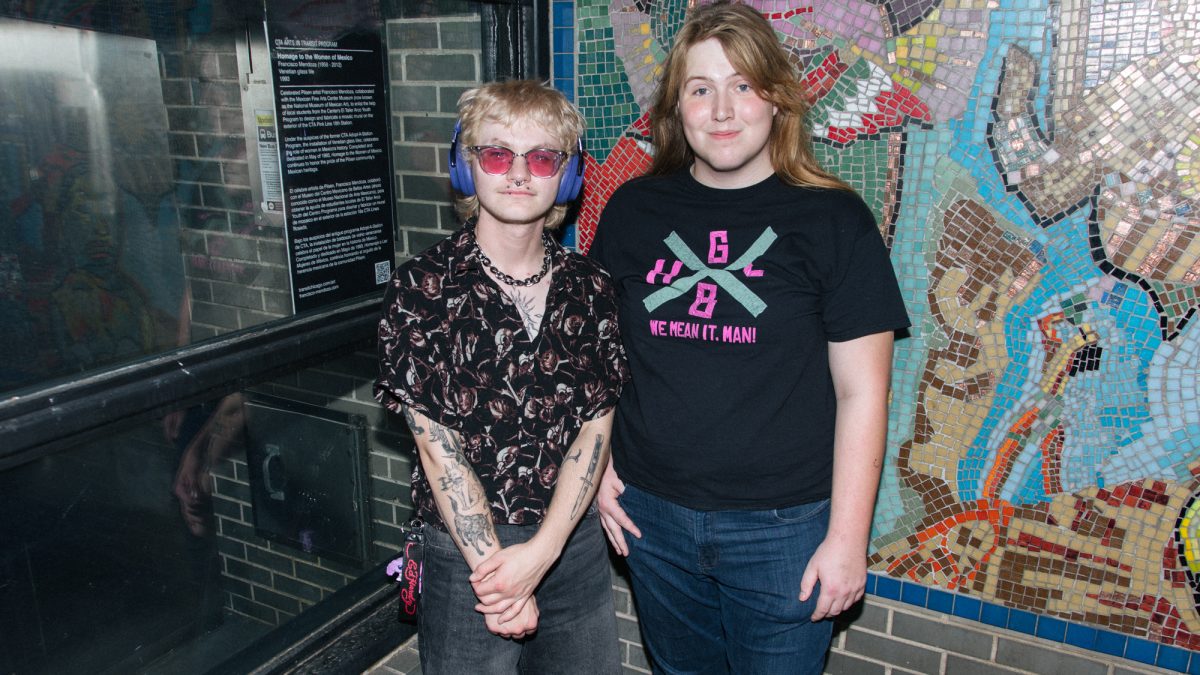
After graduating from Columbia last year with creative writing degrees, the three friends created Fruitbatz, A Queer Literary Magazine, an online magazine dedicated to publishing queer and neurodivergent voices through poetry, fiction, essays, comics and visual art.
“We kind of just wanted to keep doing what we were doing because it was a lot of fun,” Alexander said. “So after we finished that class, we decided, ‘Hey, we’re going to do a magazine together. Why not? Let’s just see what happens.’”
The idea grew out of Columbia’s “Literary Magazine Practicum” course, though the friendship behind Fruitbatz began earlier in a horror writing class. What started as a way to keep creating together placed the graduates within an older form of independent publishing, one that Columbia professors say younger creatives are rediscovering: zines.
That return to zines is not entirely new. Joseph Meno, a professor at Columbia who teaches creative writing at the School of Communication and Culture, worked as an editor for the zine Punk Planet and first encountered punk music through handmade zines people mailed and traded with one another before the internet.
By the 1990s, Meno said, zine culture had exploded across different subcultures before eventually losing ground as blogs and other forms of online publishing made sharing work easier. After the pandemic, however, he began noticing young people returning to physical media, from vinyl records and cassette tapes to handmade publications.
“I’m so happy to see people making zines again, because I think it’s a great way for a beginning writer to start experimenting with sharing their work with a larger audience,” Meno said.
Henna Butt, an assistant professor in the School of Communication and Culture whose background includes journalism and independent publishing, noticed a similar resurgence.
Butt previously worked with Media Diversified, an online publication created to amplify writers of color who were not receiving the same opportunities in mainstream British media.
As the internet has become increasingly professionalized and crowded, Butt said independent creators have begun looking elsewhere.
“It’s become so hard to be heard online that you are finding alternative ways to get your messaging into people’s hands that doesn’t rely upon the algorithm or doesn’t rely upon heavy marketing online,” Butt said.
Although Fruitbatz currently exists online, its founders are drawn to the independence that has long defined zine culture. They never intended it simply as a place to showcase their own work, but as the kind of publication they felt was missing.
“We are very passionate about uplifting queer and neurodivergent voices specifically,” Fijal said. “We just want to create a safe place for our own community and also be able to show them that there are people out there who think the same way that you do, who are artists the same way that you are an artist.”
The founders also look to queer zines of previous generations for inspiration, particularly publications circulated during the AIDS epidemic.
“During the AIDS epidemic, that is how a lot of information was distributed throughout the queer community because the government, and even the resources that were available, just weren’t doing their part,” Fijal said. “There were genuinely zines that were telling people, ‘Hey, put on a condom.’ And those things, even though they seem so simple, they do save people’s lives.”
Butt said the freedom of self-publishing goes beyond what creators can say. It also changes how they can say it.
Traditional publications often work within standardized layouts and editorial guidelines. Zines can be photocopied, folded, collaged and printed on fabric or shaped around whatever message their creator is trying to convey.
“The actual nature of the object can be questioned and doesn’t need to follow any kind of set format,” Butt said. “You can really tailor the object that you create to your messaging.”
That freedom also makes the process itself more social. Butt compared making the publication with creating a social media post on a phone. A zine might require working with a printer, asking a friend for an illustration or physically distributing copies.
“I think it’s a bit more of a communal form of making,” Butt said. “The output is just one part of it. The process of making it is another part of it, and that enables you to be more communal.”
Fruitbatz operates with that same idea. Despite different responsibilities, the founders say major decisions are shared.
“We do check in with every person before we make any decisions,” Fijal said. “I would say that it is very much like a collective.”
Although the publication is digital for now, its creators ultimately want Fruitbatz to become something readers can hold physically.
“We want to not necessarily make money, but also make something that people can buy and have a physical item for,” Wendel said. “I think it’s because we all value print media.”
Although Fruitbatz began as a way for three classmates to keep creating together after graduation, it has become part of a larger movement of young artists reclaiming independent publishing as a space for authentic storytelling and community.
“It almost feels like a kind of sacred act,” Meno said about reading physical publications. “It gives you time to be quiet in a way that does not exist.”
Editor’s Note: Aiden Fijal was a social media content creator for the Chronicle from 2024 to 2025.
Copy edited by Venus Tapang
This story also appears in the Chronicle’s back-to-school issue.