THE SEX ISSUE
When I was little, my body — prominently my knees — were always adorned with cuts that left lasting little scars, most of which have completely faded by now.
I never thought much of them; in fact, younger me thought they represented how badass I was. My tomboy childhood, however, did not prepare me for much larger scars on my side and on my chest when l was 19.
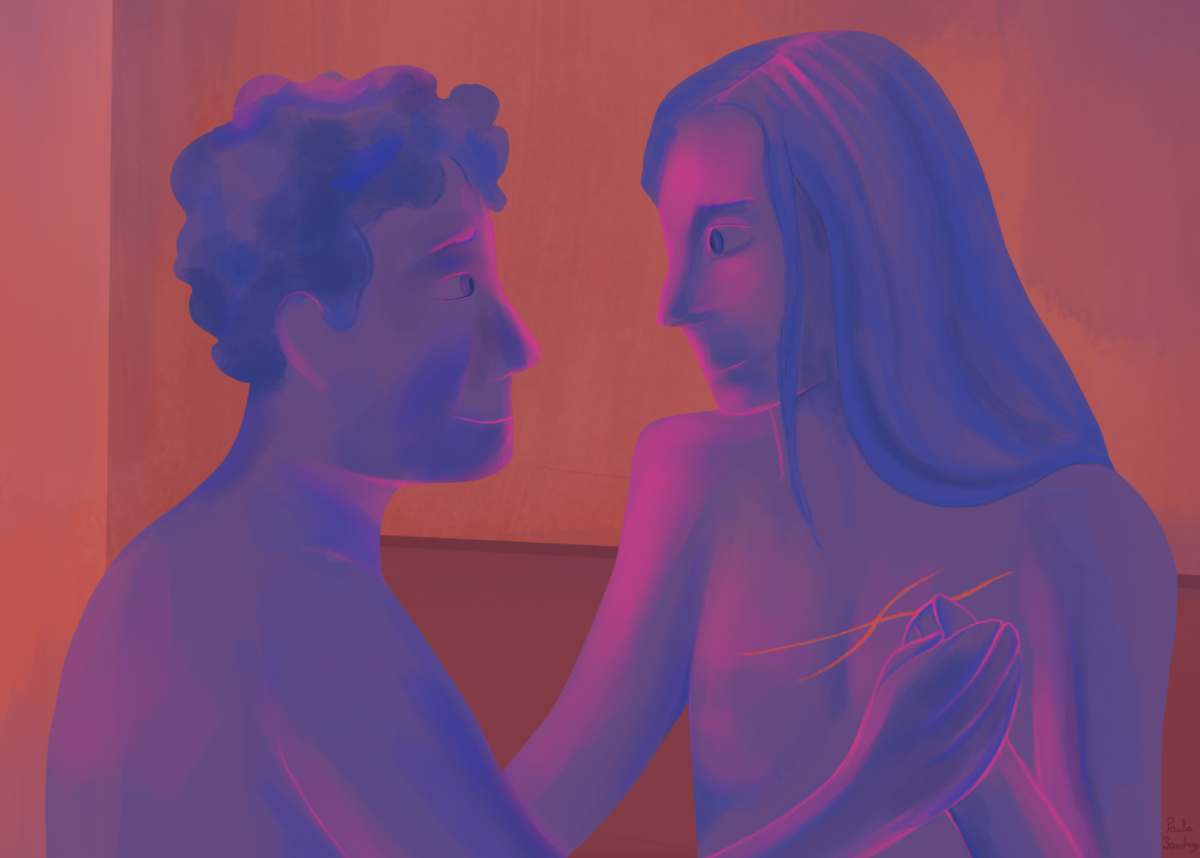
Left by the implantation of a defibrillator, the scars were dark red and bright pink back then, an abrupt reminder that my body was forever changed.
Even now, three years since the surgery, the scars have faded a lot but are not flat— they protrude from my body. Making peace with this permanent piece of my body has been difficult.
In the United States, a study found that about 53.5% of Americans have scars, yet this statistic is not comforting to me.
In my youth, scars were trivial. Those natural signs of my body healing had never made me self-conscious — until now.
Whenever I’ve thought about having sex with someone new, I instantly get anxious and worry about their reaction.
I don’t want to be in the moment and get questions.
It became evident to me that maybe I was less worried about what other people thought of them, but more internally conscious of the scars. In many ways, they make me feel less beautiful.
According to Chicago-based sex therapist Sara Groth, scars often come with stigma surrounding them, especially depending on how someone got them.
Some scars come from surgery; others may have more complex backgrounds. Groth explained that with sex being an already taboo topic, it can be hard to deal with insecurities surrounding it.
When feeling anxious about sex, Groth recommended practicing “sensate focus,” which involves being mindful and slowly working toward whatever sex you are comfortable with having.
Groth also suggested rehearsing what you will say to your partner when telling them about your scars.
“This is a hard topic, talking about anything around sex,” Groth said. “But again, knowing that different scars [and] scarring can be attached to traumatic experiences, difficult experiences in our childhood, and maybe even if it relates to self-harm, and more particularly it can bring up so much. So, also think about how I am taking care of myself before, after and during this disclosure.”
My scars brought up a lot for me. As they faded, my confidence grew. The less visible they were, the more comfortable I felt in my body.
But, I eventually realized that thinking this way would only hurt me. In a few years, I’ll need more surgery, and the scars will be new all over again. What once felt healed would feel raw.
I thought a lot about how my younger self almost idealized her scars, and how now I was afraid of having new ones. It felt like a huge step backward. The scars I have now are healed, but knowing I’ll have to do it all again made that peace feel temporary.
Back then, I hated how the scars looked. I didn’t even want to have sex with someone new because I didn’t want them to see.
Then one night, in the middle of foreplay, I was asked what the scars were from. I explained they were from surgery and we went on as usual. There were no follow-up questions, no looks of discomfort. Nothing I feared actually happened.
That moment changed things for me. If he didn’t care about my scars, why should I?
I wasn’t suddenly free of the insecurities I had put on myself, but that shift in perspective mattered. I realized the most important thing wasn’t how the scars looked, it was how comfortable I felt with them.
There’s no timeline for healing, physical or emotional. But I think my younger self was right all along: scars are badass, no matter where they come from or why they’re there.
Copy edited by Venus Tapang