THE SEX ISSUE
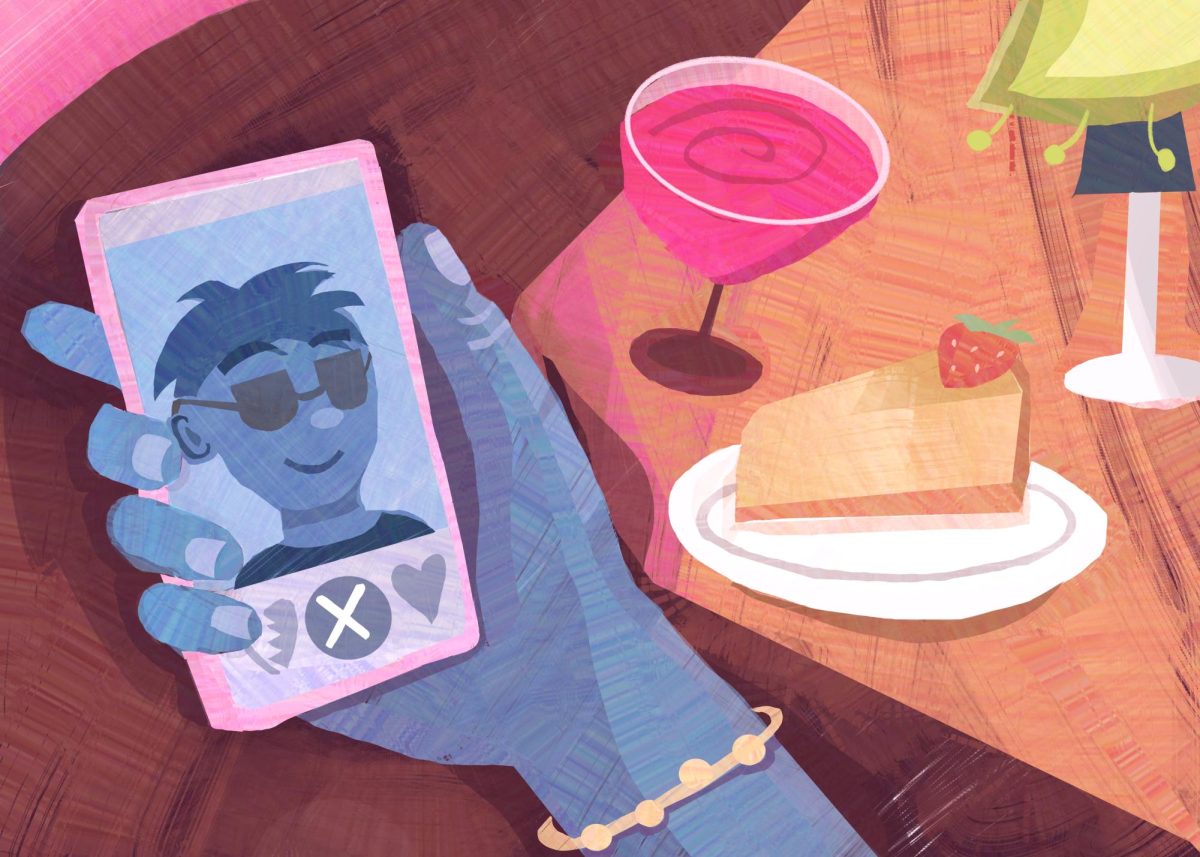
Swipe long enough on your preferred dating app and a pattern emerges: the people we meet aren’t just different. They’re optimized. In the attention economy of modern romance, narcissists aren’t just showing up. They’re thriving.
Throughout college, I dipped in and out of dating apps. A typical first message was “wyd tonight?” or a corny, borderline inappropriate opener. Occasionally, someone seemed genuine. Then the affection would come pouring in — intense flattery and performative interest — followed by the pivot: a request for sexual attention framed as intimacy.
This pattern isn’t accidental. Psychologists have long observed that people with narcissistic traits gravitate toward environments offering fast validation and visible feedback. Dating apps provide both, rewarding charm over consistency and immediacy over depth.
What was once slow, reciprocal courtship has become a stage. A handful of photos and seconds to make an impression elevate self-promotion into a necessity rather than a warning sign. Infinite swiping creates the illusion of endless options, while likes and matches become numerical proof of desirability.
Dating apps don’t create narcissism, but their design amplifies it.
The result is familiar to many daters: rapid intensity followed by emotional withdrawal, mirroring followed by ghosting. These behaviors align with documented narcissistic dating patterns — fast idealization, boundary-testing and disappearing once novelty fades.
Dating apps aren’t inherently toxic, and many people find meaningful relationships through them. The issue isn’t the medium, but the incentives it rewards.
Until those incentives change, the people who rise to the top will remain the ones most skilled at performing connection rather than practicing it.
Copy edited by Katie Peters