
As federal immigration agencies prepare to scale back their Chicago footprint — including the departure of Border Patrol’s top official — students say uncertainty has replaced any sense of safety.
U.S. Border Patrol Head Greg Bovino, the top agent in the Trump administration’s crackdown on immigration, has reportedly arrived in Charlotte, North Carolina, after a two-month-long operation in Chicago that resulted in thousands of arrests and drew criticism from a federal judge for the heavy-handed tactics of the agents.
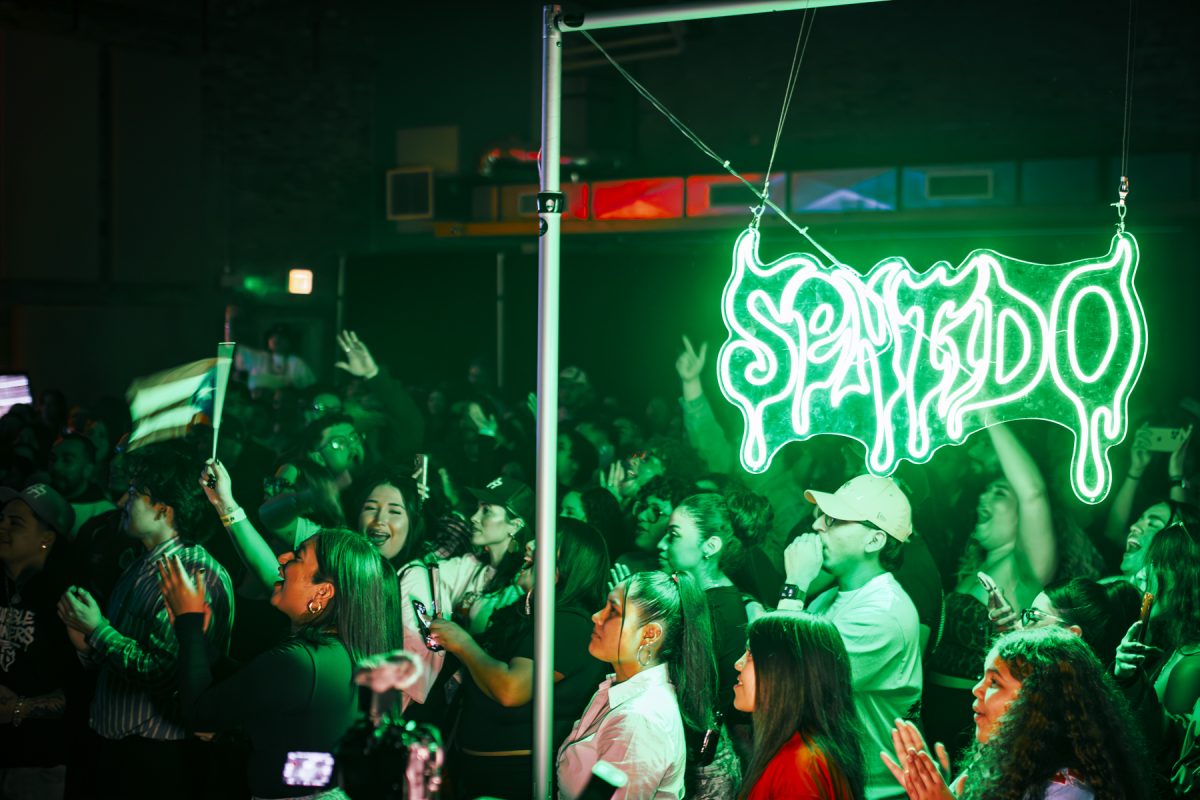
Chicago residents have fought back against the arrests, organizing patrols around schools and in neighborhoods with large Latino populations and protesting the federal crackdown.
On Friday, Nov. 14, at the Broadview Immigration Detention Center outside of Chicago, which has been the site of weekly protests since the immigration crackdown began, 21 people were arrested after confrontations between officers and protesters. Four police officers were hurt, according to media reports.
For many, the unrest underscores the uncertainty they already feel — a reality some Columbia students know well, even as a federal judge this week ordered the release of more than 600 people being held at Broadview.
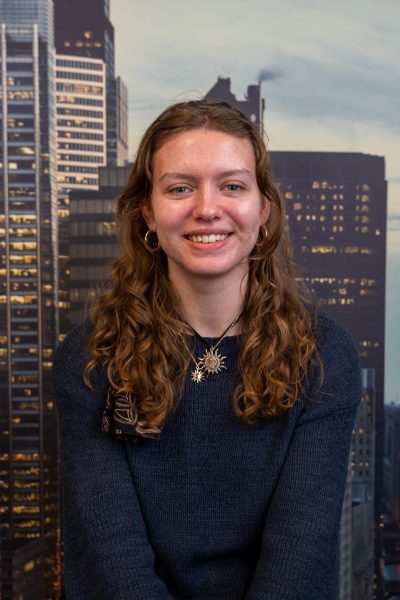
Miya Sahagún, a sophomore illustration major, said that as long as ICE is present in the city, she will always live with fear of being separated from her family. However, she is happy to see communities joining to protest.
“I’m not going to say that releasing the detainees and some ICE agents leaving Chicago was going to fix that,” Ramírez said. “But it is a step towards the community slowly healing itself and working together to build better defenses in case this ever happens again.”
Matéo Tenorio, also a sophomore illustration major, said he worries about his parents being easily identifiable as Latino by ICE agents. Even though his father carries around a photocopy of his passport and his citizenship letter, Tenorio said he remains uneasy as long as federal agents are present.
“You feel like you’re being watched all the time, or like you’re going to get in trouble,” Tenorio said. “Yes, it’s good they’re leaving, but it would be better if they were all leaving.”
Milo Ramírez, a sophomore creative writing major, experienced similar anxiety and said that, though they are a citizen, as a commuter, they are constantly looking over their shoulder – and are tired of it.
“Even if they were to leave, people are still going to be paranoid about going to work, going out to stores, going to get their medicine,” Ramírez said. “Even if numbers decrease, I don’t think it would ease anyone’s nerves.”
Joel Arreola, a senior music major, said he appreciates seeing the community effort to fight for detainees.
Arreola said his current anxiety towards ICE is no different than the one he’s known his whole life; however, he appreciates the growing conversation about it, and the community that has formed in the process.
“It definitely feels less isolating to see a big majority of the country talking about the issues surrounding ICE,” Arreola said. “I think Chicago’s done a really nice job of standing up for its people, but I think the worry is still there.”
Copy edited by Vanessa Orozco