Columbia is dismantling one of the key infrastructures that supports first-year transition, and has not yet explained how that will be replaced or how it will build community for new students living on campus.
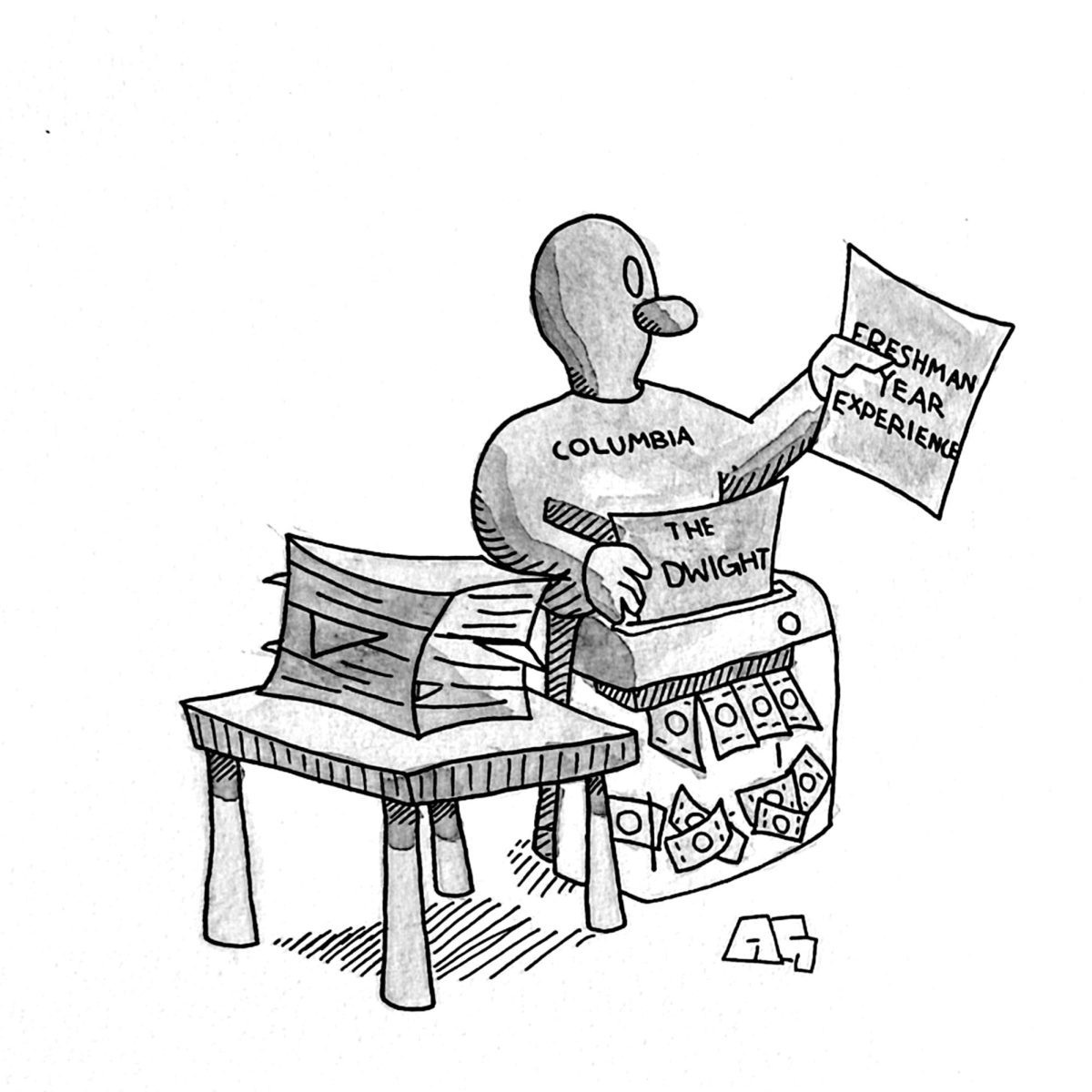
Within the span of a few months, Columbia has announced the elimination of two of its four residence halls. In December, the college announced that its lease with The Arc at Old Colony would not be renewed after Spring 2026. Last week, the college told residents that it would not renew a second lease at the Dwight Lofts, the college’s designated first-year and transfer building.
The college’s reasoning is difficult to dispute. Enrollment has fallen from 6,736 students in Fall 2021 to 4,461 last fall. Of those students, just 1,426, or about 32%, lived in campus-affiliated housing. With an overall occupancy rate of 66% across four residence halls, maintaining hundreds of empty beds is financially untenable.
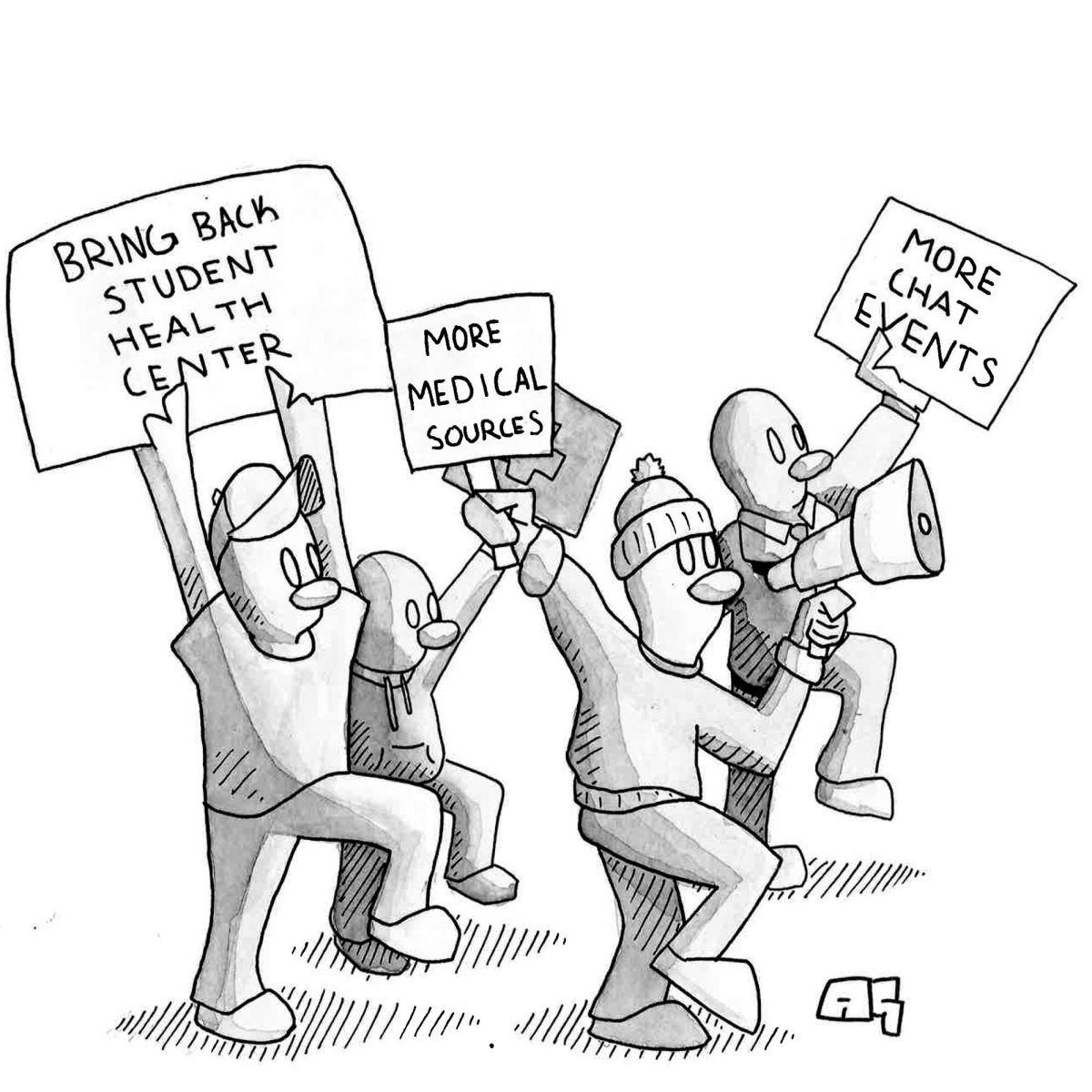
What consolidation does not answer is the replacement of what is being dismantled. Residence halls are not simply line items on a balance sheet; they are one of the few structured spaces where first-year students integrate academically and socially into an urban campus. If Columbia is choosing to reduce its housing footprint, it must articulate how it intends to preserve student integration, retention and belonging.
The financial argument is straightforward. The vision is not.
The two buildings being eliminated are the only two dedicated entirely to Columbia students. Dwight Lofts offered first-year students a space to build their close circle of friends. It was where the First-Year Experience program ran, which included RA programming built specifically for students learning to live independently for the first time.
That program, along with honors housing, 21-and-over floors and roommate selection, are all being eliminated with the buildings.
These options gave students agency over their college experience.
For many out-of-state students, who made up 35% of enrollment as of Fall 2025, on-campus housing is a necessity. Removing the various specialty-housing options forces students into a situation that may not meet their needs.
The 30 E. Balbo Dr. building and the University Center on South State Street will remain available for students in Fall 2026. The University Center offers the only dining hall in the residence halls, which is a necessity for some students, but is a shared space with students from DePaul University and Roosevelt University. Columbia-specific programming can be easy to miss amid other events catering to other schools. The 30 East residence offers private leasing in addition to current Columbia housing.
Columbia has long sold itself as a vibrant school in the heart of Chicago — the place where students could trade the isolated college campus for the big city. That is only the reality if students can find their footing at the college, and for many students, the dorms were exactly where that happened.
The college must now build dedicated first-year programming into the remaining buildings, guarantee housing placement for incoming out-of-state students and be honest with prospective students about what campus life actually looks like.
Columbia must show that community is not just a selling point, but the true foundation of the school, and that it is worth protecting. They must show that the housing options that remain are ones students can genuinely rely on.
Copy edited by Venus Tapang