Deep dish pizza, hot dogs and Italian beef may still define Chicago, but another staple has quietly taken over kitchens, restaurants and grocery aisles across the city — Mexican food.
Chicago’s embrace of Mexican cuisine reflects the city’s demographic reality: residents of Mexican origin now make up about one-fifth of Chicago’s population, the largest Latino group in the city, according to U.S. Census data. The Chicago metro area also has the second-largest Mexican population in the country, after Los Angeles, a growth that has helped push Mexican ingredients and cooking far beyond historically Mexican neighborhoods like Little Village and Pilsen.
On a recent afternoon in Little Village, the sounds and smells that have long defined the neighborhood spill onto the sidewalks: the bells of a paletero cart, the call of a tamalero, the warm scent of masa as it cooks into tortillas. Inside local tortillerías, customers watch dough being ground fresh before lining up for stacks to take home. That scene, once contained to a few enclaves, is now echoed in restaurants and grocery stores across the city as demand grows.
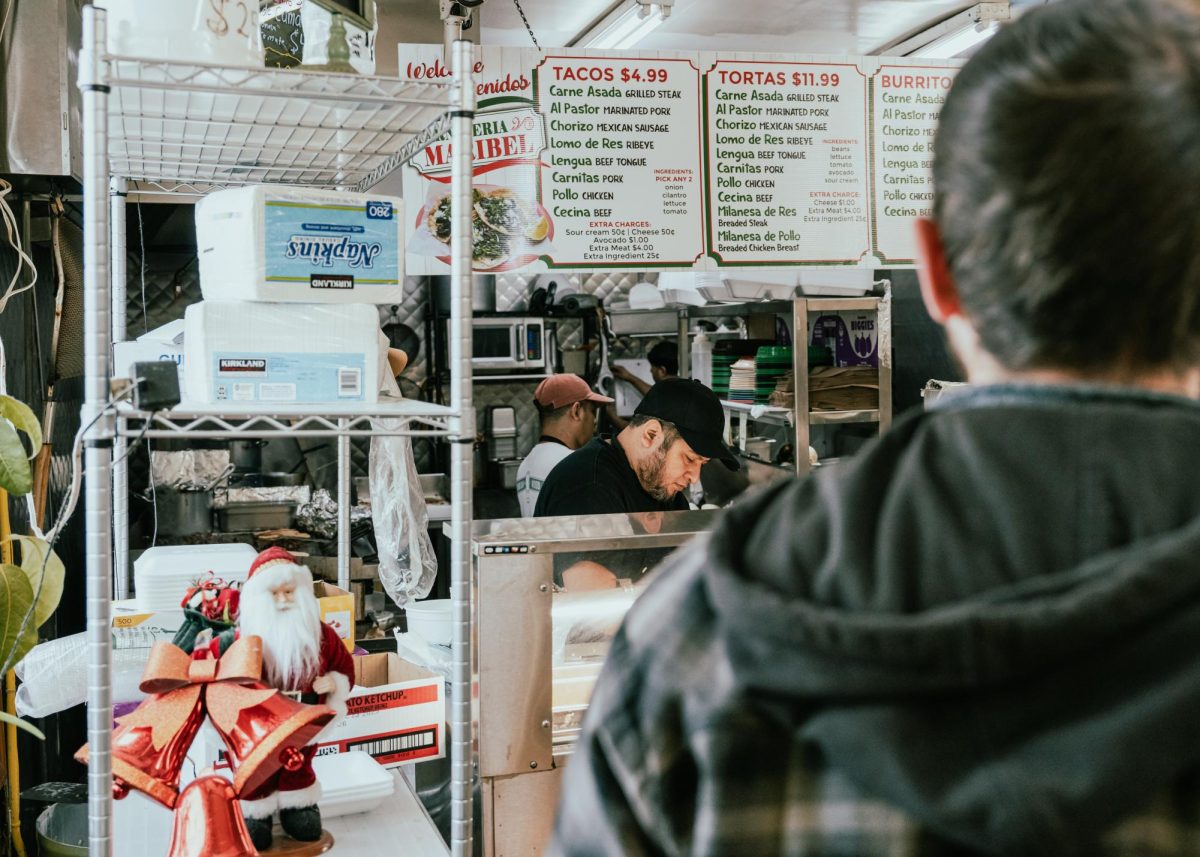
Phillip Morino, operations manager at Antique Taco’s Wicker Park and Bridgeport locations, has watched that shift unfold over more than a decade.
“Some of the more popular and traditional Mexican foods that you would find going down to Pilsen or Bridgeport are gaining more notoriety towards the mainstream,” he said. “Things like pozole, and even with some more of the non-traditional meats like tripa and lengua, people are getting more adventurous.”
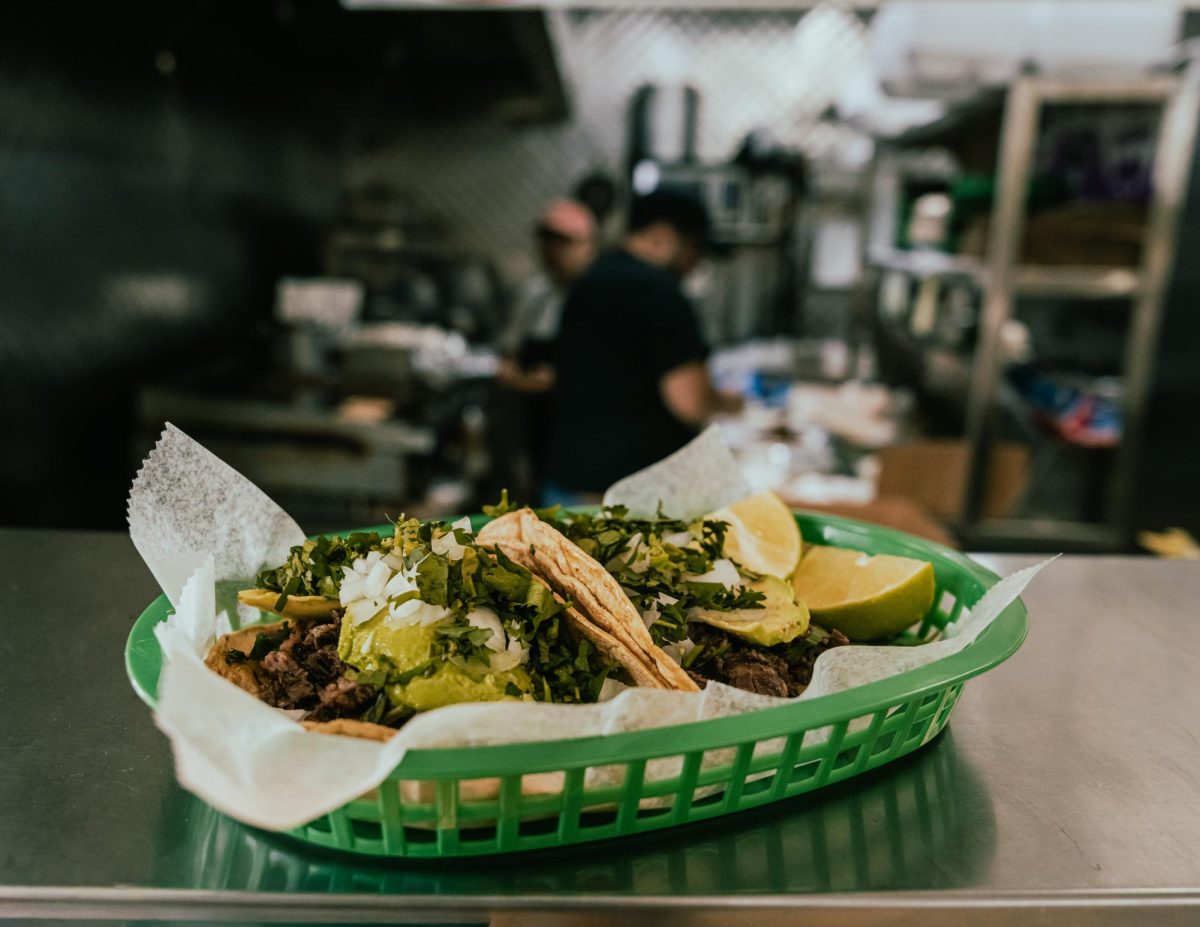
At Antique Taco, the restaurant updates “old-school” recipes with a modern twist, like flautas that trade a traditional filling with a crab and shrimp filling, and traditional green cabbage with smoked cabbage on top, alongside aji mayo and radish. Other items challenge the traditional structure of traditional Mexican dishes, such as their Antique Taco Salad, including kale, queso fresco, a mix of spicy peanuts and cranberries and tortilla strips.
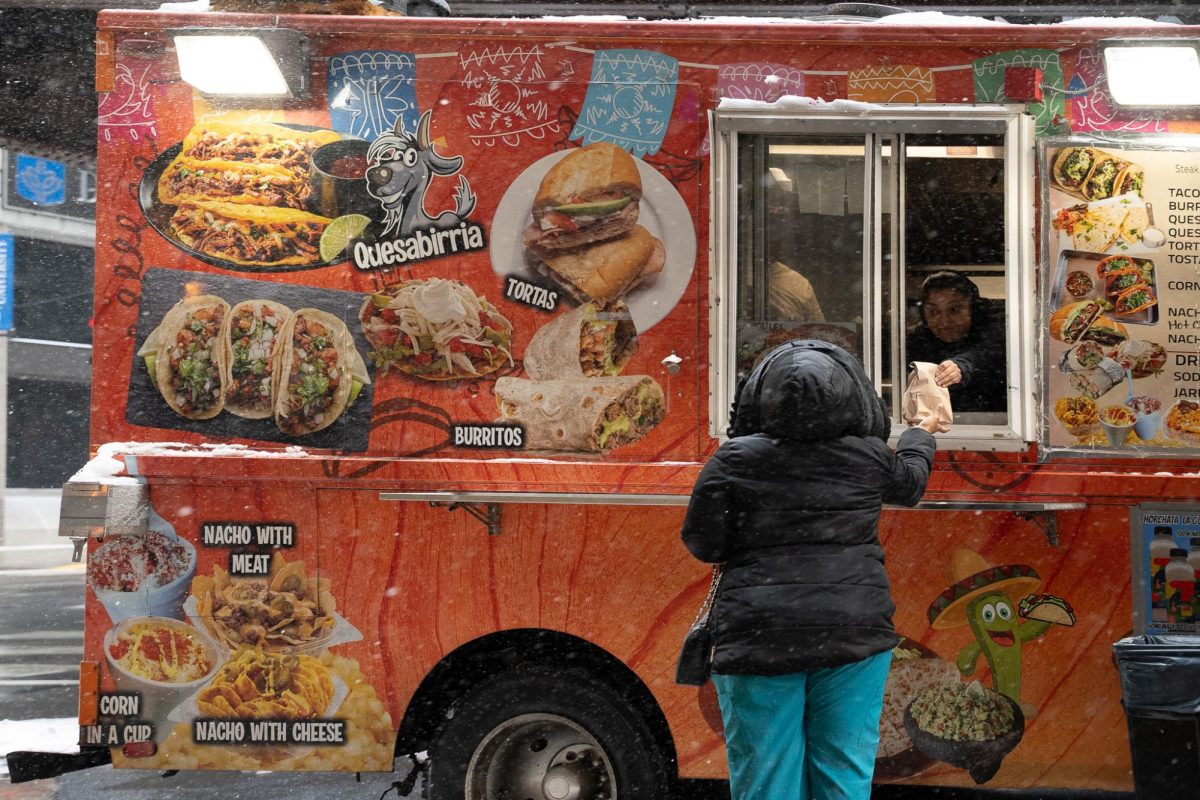
Mexican flavors have continued to be incorporated into some of Chicago’s most recognizable dishes in recent years. Taquerías and fusion spots across the city have introduced birria beef, a twist on the traditional Italian beef sandwich, while traditional elote toppings have appeared on hot dogs at summer festivals and neighborhood street markets.
Several local pizzerias have experimented with Mexican-inspired deep dish variations using roasted chiles, chipotle sauces or seasoned carnitas. Taco pizzas have also become increasingly common in grocery-store prepared food sections. These mashups reflect how deeply Mexican ingredients have threaded themselves into Chicago’s broader food culture.
For Milo Ramírez, a sophomore creative writing major, the growing visibility of Mexican food across the city resonates deeply.
“Our love language is being able to share that food,” they said. “A lot of people can interpret it in their own way and make their own recipes, and I just find that so special.”
Ramírez is part of a generation experiencing Mexican cuisine as a citywide staple, a reality that contrasts sharply with what longtime residents like Pepe Vargas remember.
When Vargas, founder and executive director of the International Latino Cultural Center in Chicago, arrived to the Rogers Park neighborhood from Colombia in 1980, he and his Mexican neighbors traveled to Little Village for basic ingredients like tortillas and chili peppers.
“Now, 45 years later, it’s absolutely everywhere,” Vargas said. “That means there has been an explosion of business of Mexicans living in Chicago. And it goes beyond Chicago; Elgin, Aurora, Joliet, Waukegan, you name it. There are Mexican stores everywhere.”
Vargas attributed the “explosion” to the growing number of Mexican immigrants in the city, and the appeal of generous, affordable meals that draw in customers across backgrounds.
“Every Mexican restaurant serves portions that are really big, and the price is very low, so they keep coming back,” he said.
That appetite is boosting long-standing businesses like Tortilleria El Rey in Little Village, where Mercedes Ugalde and her husband grind more than 300 pounds of masa a day. After 50 years in operation, Ugalde said they’ve recently seen a noticeable rise in first-time customers.
“We bought the building seven years ago, and since then, our demand has increased little by little,” Ugalde said in Spanish. “It’s not something that happens overnight, we have to be patient, but we do see it going up gradually with our quality.”
Decades of migration and a network of small family-run businesses that supplied tortillas and masa have long preceded Mexican food hitting Chicago’s mainstream. In 1963, Su Casa opened under Ike Sewell of Pizzeria Uno, bringing Mexican and Tex-Mex flavors to the city at a time when such restaurants were rare. Tortillerías like Ugalde’s carry this lineage, part of a tradition that anchored community life long before newer audiences discovered them.
Ugalde said the rising demand today reflects a broader interest in freshly made staples.
“With our everyday tortillas, everything we use is natural,” Ugalde said in Spanish. “We don’t use preservatives or anything; the dough is grinded constantly all day, so that it’s fresh.”
That freshness translates easily into home cooking, especially with tortillas anchoring quick, versatile meals. Oshun Cortez, a sophomore film and television major, said the simplicity is part of the appeal.
“I do believe that it’s just something easy to grab in comparison to other meals that require more time and preparation to make,” Cortez said.
For Vargas, the rising appreciation for Mexican cuisine reflects something deeper.
“It is a profound cultural value,” Vargas said. “The language, the music and definitely the food. I admire these chefs; the really good ones are the ones who respect the food and the authenticity.”
As Mexican food became more accessible across the region, its role expanded beyond convenience, shaping how younger Chicagoans understand identity and community.
“I really think Mexican food and more foods from different kinds of cultures should definitely still have that strong presence, because food is just sharing love,” Ramírez said. “And I think that’s what Chicago should be about.”
Chefs like Morino see that cultural embrace reflected back in their kitchens, where tradition and experimentation now sit side by side.
This culinary shift is an important step towards Chicago’s cultural acceptance and diversity.
“I think it’s important to experiment, to meld cultures, while keeping the more traditional things,” he said. “For all cultures and all restaurants, I think it’s always good to experiment and push the envelope a little bit.”
Copy edited by Matt Brady