
THE SEX ISSUE
Human connection and intimacy is not something that is reserved for the able-bodied. They are fundamental to life, and every person deserves to experience them, regardless of physical and mental ability. Nonetheless, society continues to perpetuate a harmful myth that disabled individuals exist outside the realm of intimacy, romance and relationships.
This erasure does not simply hurt; it actively attacks disabled people by rejecting their humanity.
The conversation around disability and intimacy is commonly seen through the narrow guise of what intimacy means. Many people think only of sexual relationships and ignore the vastness of human connection that exists beyond that.
Intimacy can be found in friends who are able to communicate in ways that honor one’s needs.
It is in family members who take on some of the weight when things get difficult. It is the partner who sees a person’s whole self, including how disability shapes their experience, and loves them, not despite it, but because it is a part of who they are.
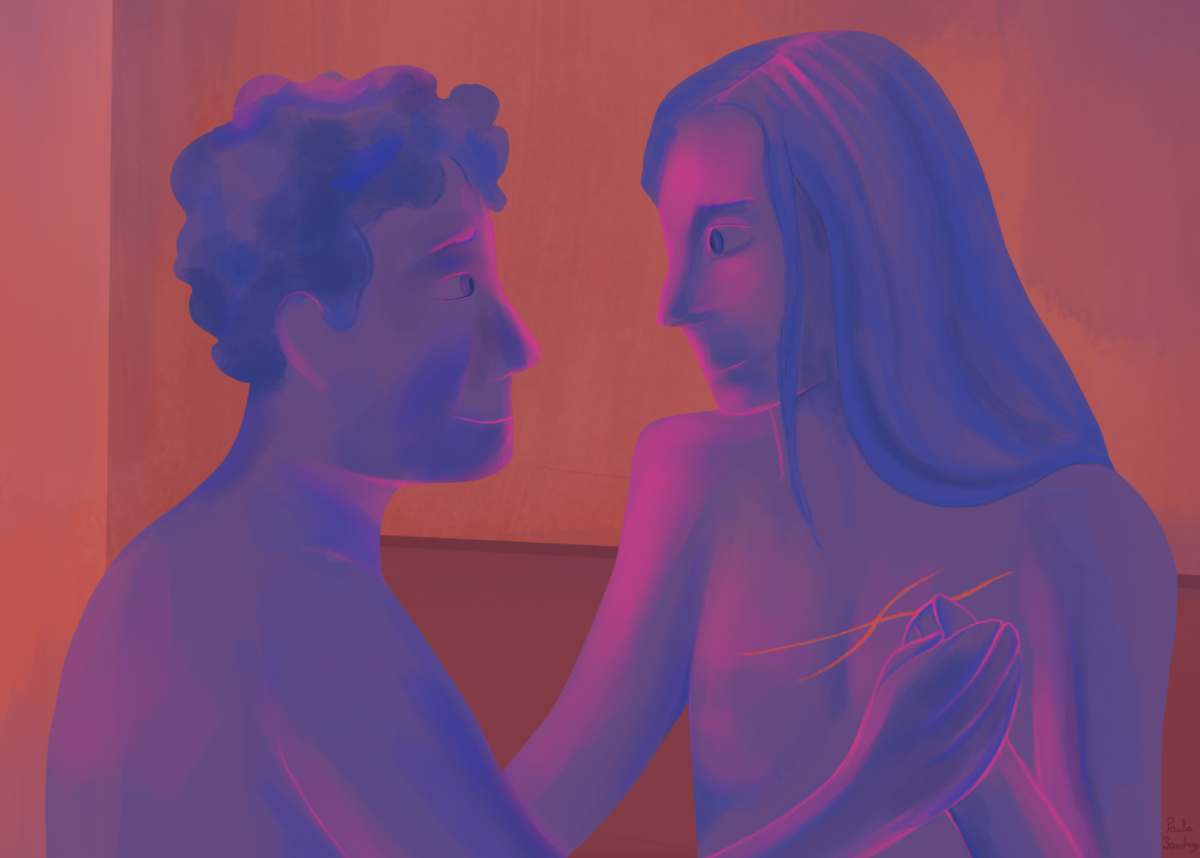
Intimacy is in touch and tenderness as well as vulnerability and trust. Yet we are often denied these experiences because social norms are stuck within conventional ideas of intimacy.
We live in a society that regularly depicts disabled bodies as unattractive. Turn on any television show, scroll through dating apps, or listen to conversations about general attraction, and you will see that disability is either completely ignored or portrayed as something to conquer before someone is worthy of love.
I have experienced this fear and discrimination first-hand.The possibility of romance fills me with anxiety because my visible disabilities are immediately apparent, while my invisible ones remain a mountain hidden beneath the surface. Every time I consider putting myself out there, I am consumed with worry about rejection for simply existing in a disabled body.
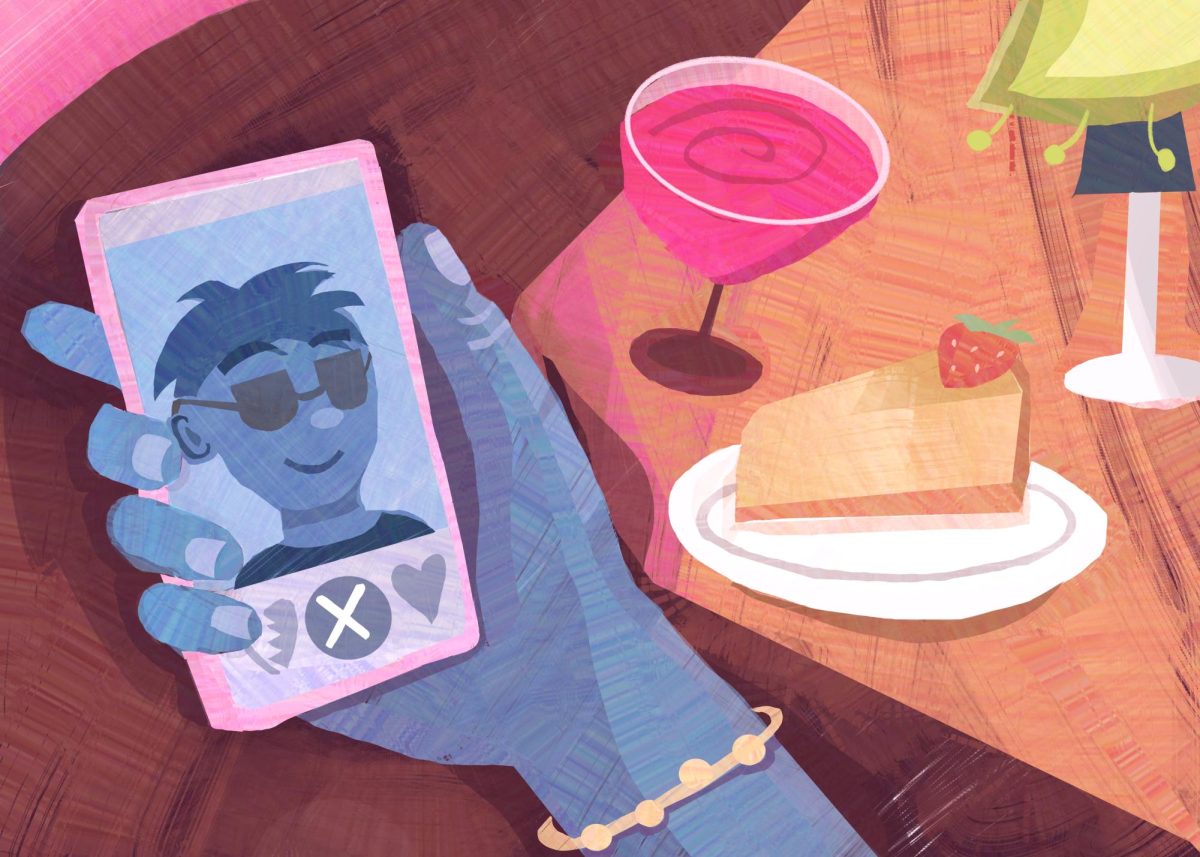
On dating apps — spaces that should feel safe — people see my disability and send cruel messages instead of swiping away. They feel entitled to tell me I am undesirable, as if social norms don’t already force that idea into my mind.
Giving and receiving love in any form is as much our right as it is anyone’s. That should not be controversial, but our right to intimacy is often subject to opinion. We are expected to be grateful for the bare minimum of inclusion while our personal needs are dismissed.
We should not have to justify or earn connection. It is an undeniable part of the human experience, and being disabled doesn’t make us less human.
The problem is rooted in ableism and an unwillingness to learn what inclusive intimacy means. Many non-disabled people do not want to think about what a disabled person may need. It requires them to confront their own biases and acknowledge that attraction and connection do not fit into clear categories. It forces people to consider accessibility not just in terms of the typical ramps and elevators, but in terms of emotional labor, communication styles and physical touch.
These barriers are seen in countless ways. Dating apps rarely include accessibility features such as alt text for photos and screen reader compatibility. Sex education programs ignore the disabled perspective. Healthcare providers become uncomfortable when discussing sexual health with disabled patients, treating questions as inappropriate rather than normal. Each of these things reinforce the idea that disability intimacy needs are an afterthought.
Disability intimacy is not complicated — it is simply different. It asks a person to listen, ask questions and be willing to adapt. It means understanding that intimacy might look different for different bodies and minds. A disabled person might need more time, assistive devices or specific communication methods to have better experiences.
We need to profoundly change the way society views disability and intimacy. This involves including disabled people in conversations about love, sex and relationships. It entails including disabled stories in romance storylines throughout the media. It means comprehensive sex education that accommodates disability and pointing out ableist biases when they are recognized.
Most importantly, it is listening to disabled people when talking about our own experiences and needs.
Disabled people are not broken, undesirable or undeserving of love. We experience the entire range of human emotion and connection. We fall in love. We desire physical closeness. We need relationships and community. We deserve to be vulnerable with others, in whatever form that may take.
Copy edited by Katie Peters