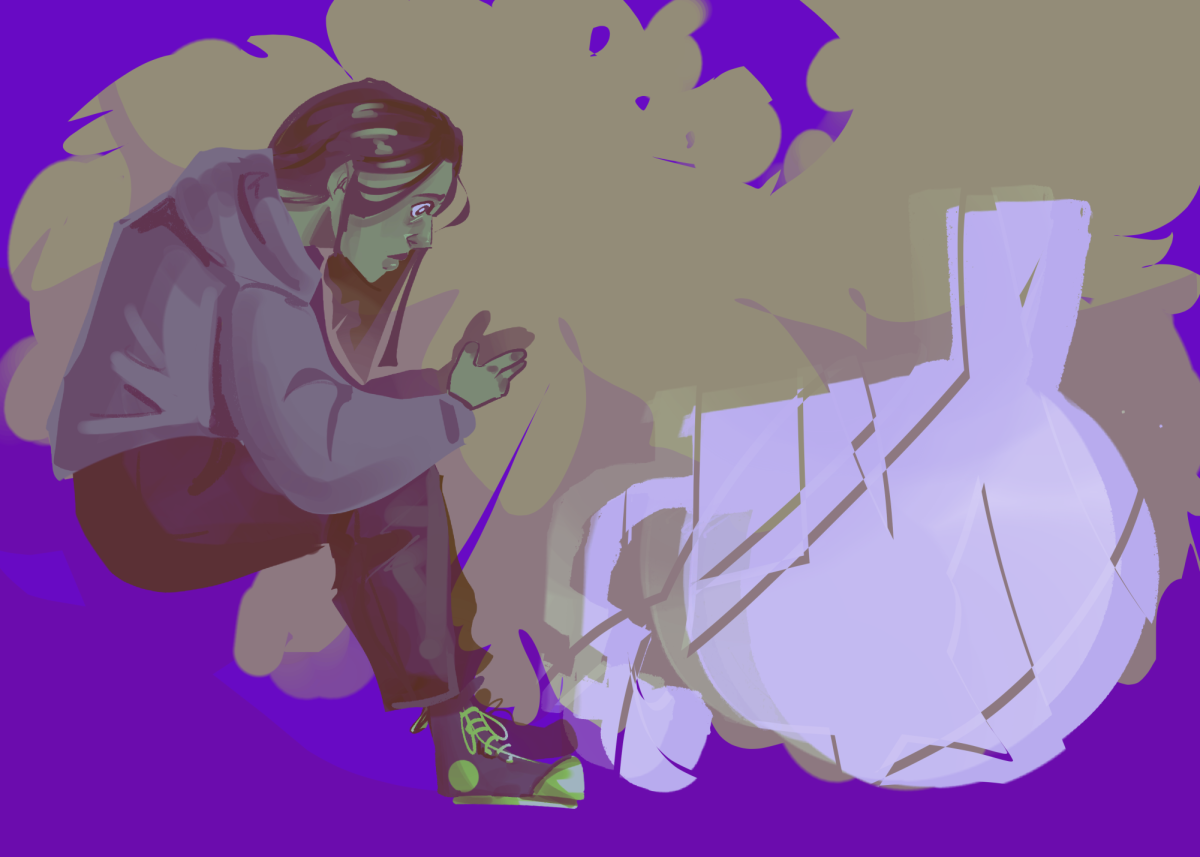
In high school, I wasn’t interested in exploring my cultural heritage. Being Filipino just felt like another box to check under “Asian,” with a few extra stereotypes attached. Filipino American history wasn’t even on my radar. So when I arrived at Columbia College Chicago and realized there was no Filipino student organization, I didn’t feel much loss.
Now, in my third year, I understand how much I had misunderstood my own identity. Learning Filipino American history changed my life — and seeing a Filipino club forming at Columbia fills me with a sense of belonging I didn’t know I was missing.
I enrolled in 2023 at a college with a limited number of cultural programs and course offerings tied to identity, but that didn’t particularly bother me then. Feeling disconnected from our culture is not unusual for Filipino Americans. My parents valued assimilation, and my visits to the Philippines felt more like tourist trips than anything deeper. I met distant relatives and visited beaches, but there was no real sense of connection.
I never learned the language, and when I heard it spoken, it sounded like gibberish. Most of what I “knew” came from the broad stereotypes my father thought were funny, but none of it ever felt like me.
College didn’t change that immediately. I was still unsure of myself and still distant from my culture. During a slow point in my time at Columbia, I decided to try something new. Since there was no Filipino cultural organization on campus, I reached out to my cousin, who was active in the Filipino political organization Anakbayan at the University of Illinois Chicago.
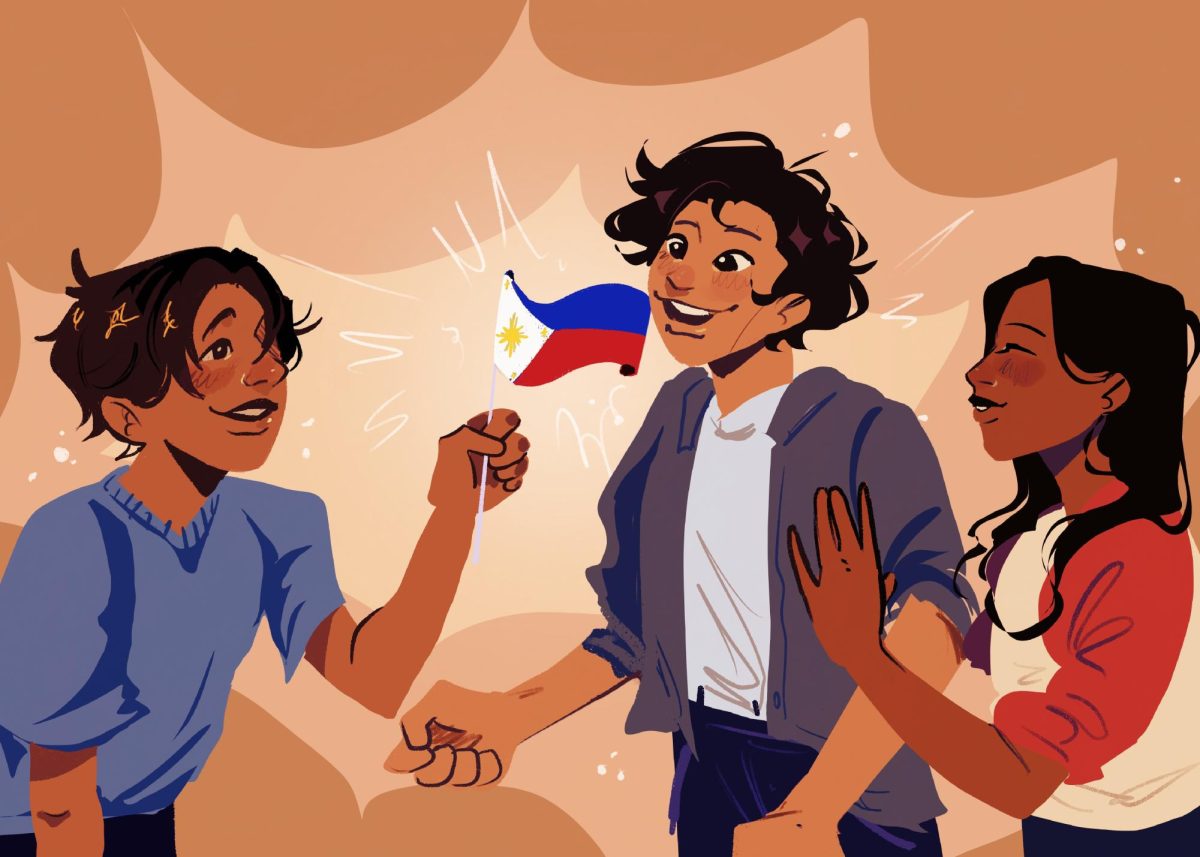
Through attending meetings there, I met other Filipino Americans who had grown up with the same uncertainty about their identity. That small student organization taught me more about Filipino history than I had ever been exposed to before. I became more connected to the Filipino community in Chicago and discovered a part of my heritage I finally felt aligned with.
Having access to a space that allowed cultural organizations and identity exploration shaped my life. I became an active member of a community I once felt alienated from. I gained new opportunities, including writing press statements and informational posts about issues affecting the Filipino community. I went from knowing almost nothing about Filipino history to helping organize workshops and educationals on the subject.
In a time when migrant communities are under attack, I am now able to advocate for a community that remains vulnerable as the fourth-largest immigrant group in the United States, making up 4% of the immigrant population, through the alliance of Filipino organizations known as the Tanggol Migrante Movement.
DEI programs help create environments that support personal growth, community building and meaningful learning. Institutions should enrich students’ lives with a wide range of perspectives and allow for exploration.
Limiting diversity initiatives restricts that environment. Less diversity creates bubbles that ignore the reality of the world around us. Ignorance grows where there is no engagement with multiple perspectives, and avoiding diversity often means avoiding history. Schools, as places committed to truth, should understand that diversity, equity and inclusion are essential to teaching facts honestly.
Trump’s administration argues that dismantling DEI creates fairness. But fairness requires acknowledging diversity, not erasing it. Merit is not fixed or purely objective, and defining opportunity through a narrow lens ignores the nuance that shapes real experience.
My life as a Filipino American shows that separating culture from identity is a mistake. We should value academic study and cultural study equally. Columbia now has a Filipino club, Sining, and even though I’ve already found a community, I am committed to helping ensure other students have the chance to discover their connection to their culture too, wherever they may be.
Copy edited by Brandon Anaya