
For the first time in three years, Columbia is holding tuition flat. It’s a welcome relief after months of anxiety over the college’s financial instability and another difficult budget year.
On Nov. 17, the Board of Trustees approved next year’s rates, keeping tuition steady while raising required fees by about $23 and increasing most housing costs by roughly $500. Those increases are modest, and the college was upfront about why they’re happening: rising operational expenses and contractual obligations.
But the announcement leaves a larger question unanswered: If the college isn’t bringing in more revenue, what does that mean for students’ day-to-day experience? Will resources shrink even further? Will more courses be cut? Will layoffs continue?
The freeze is appreciated, but we need more information.
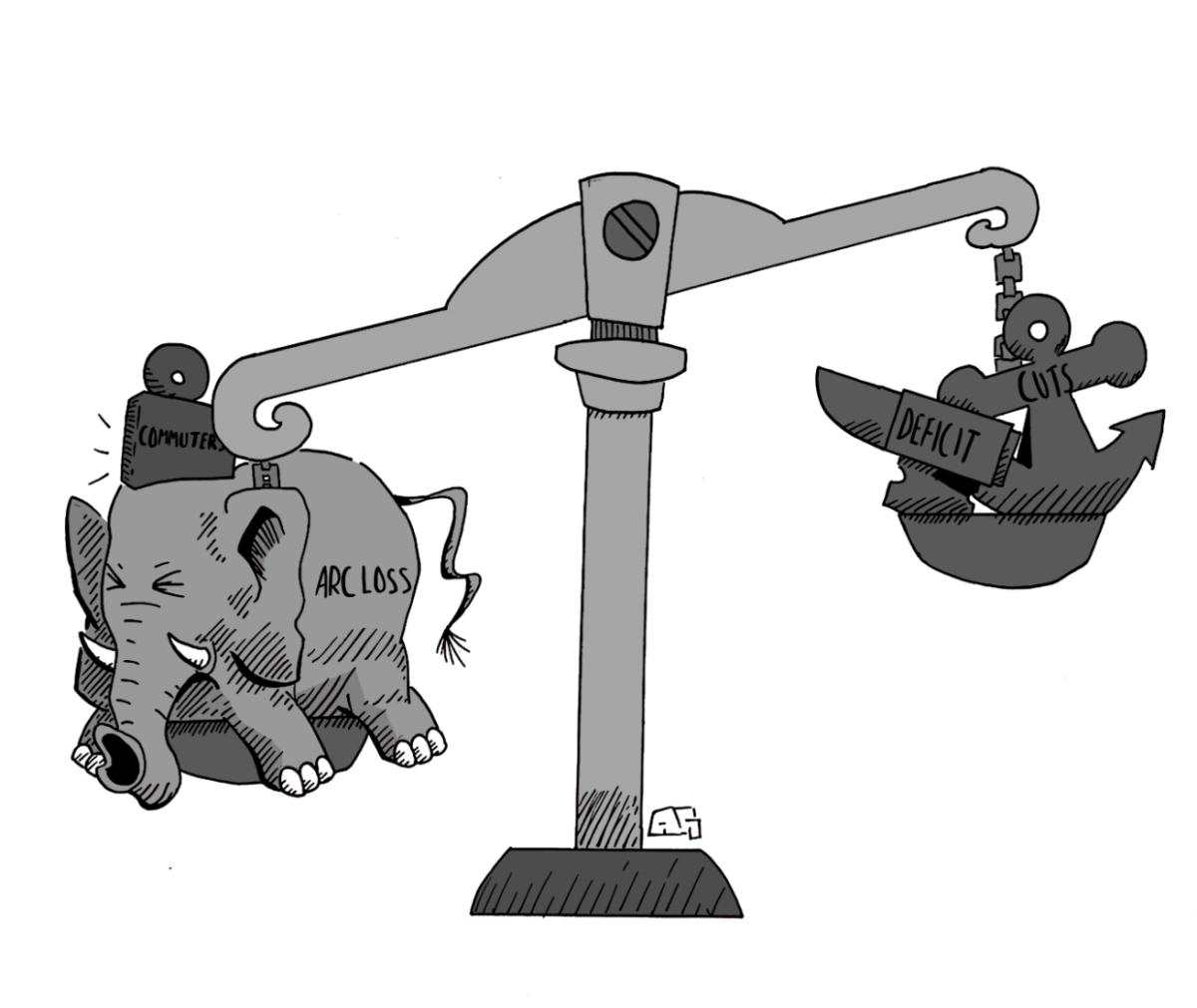
Enrollment is down more than 1,000 students this fall and the deficit has grown to $40 million. That has resulted in fewer course options and growing class sizes.
These are the changes affecting students every day, yet they remain difficult to track and harder still to understand.
Ultimately, the tuition freeze is merely symbolically important, given that most students don’t pay full price.
What matters more are the course reductions and dwindling services for students. Uncertainties remain about further staff and faculty layoffs, which will directly affect students’ education and support.
Students need a better explanation of how Columbia plans to stabilize itself, what additional cuts may be coming and how academic quality will be protected.
Freezing tuition is a meaningful step. It will help families plan, and it signals the administration is listening to student concerns. But trust is built on candor, not one-off announcements.
If the college wants students to stay and succeed it must be as clear about the future of their programs and classrooms as it is about next year’s price tag.
Copy edited by Brandon Anaya