
Every semester, Columbia students are told that the city is their campus, and that includes its healthcare. In theory, it gives students access to endless resources, but in practice, they face endless barriers. Last week, the college brought sexual health resources to students and proved it knows how to reach them.
The Center for Student Wellbeing’s Valentine’s Day event with Planned Parenthood’s Chicago Healthy Adolescents and Teens program offered free STI testing kits, condoms and safe-sex information right on campus. At-home STI test kits and both female and male condoms can be found in the Center for Student Wellbeing year-round.
Sexual health is chronically undertreated among college students, and stigma around testing keeps young people from seeking care. Bringing resources to students with no appointment and no pressure is the right approach. Columbia has events throughout the year, but they cannot replace a permanent resource.
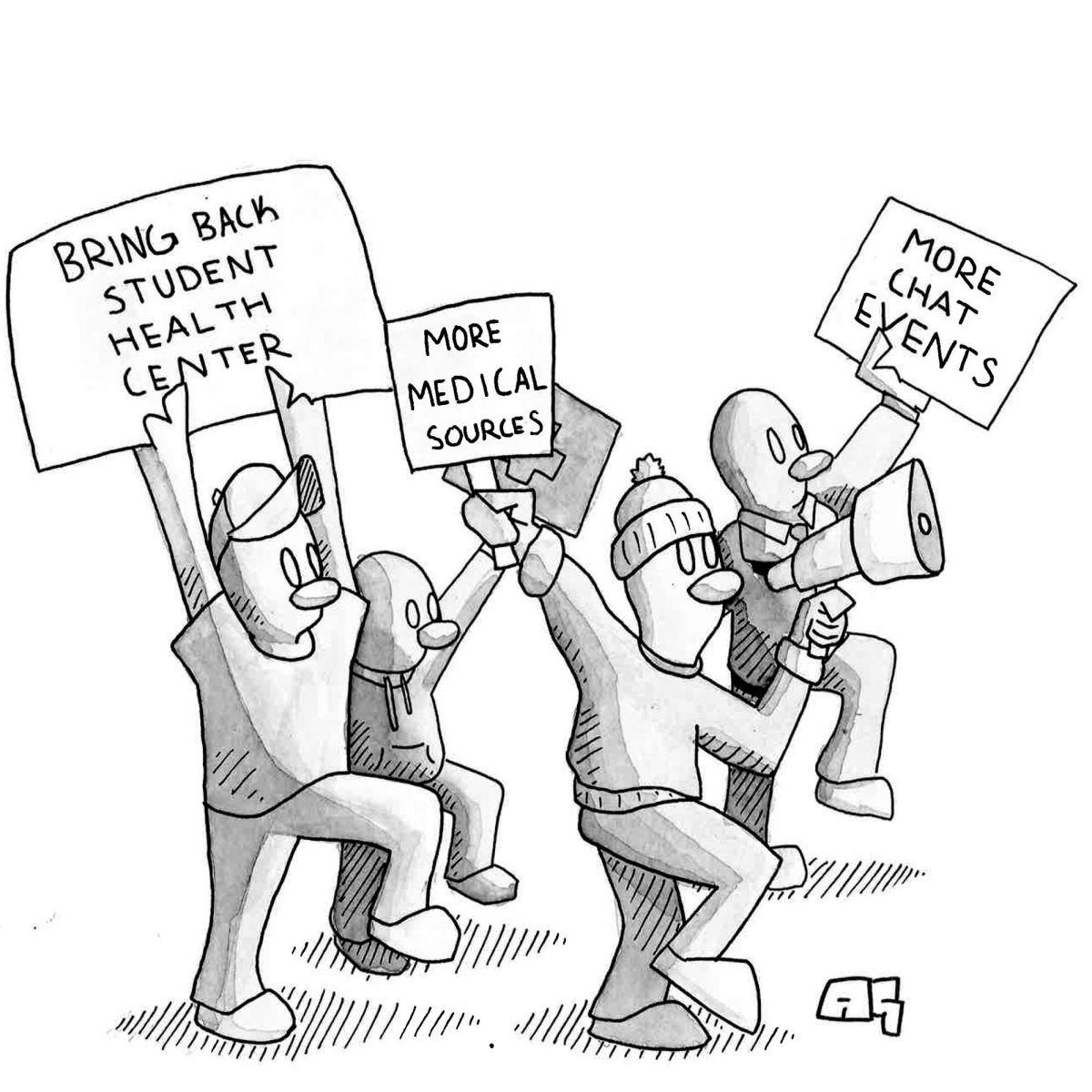
The Center for Student Wellbeing took over some of the functions of the Student Health Center, which closed in August 2024. It operates alongside Chicago’s public health network and programs like CHAT that exist precisely to give care to underserved communities. Periodic on-campus programming may seem to supplement what students can find on their own, but it is not enough.
This approach asks students to do the work to find resources that Columbia used to provide, including STI/STD testing, pregnancy tests and condoms. Off-campus healthcare requires time, transportation and insurance navigation that students who are balancing coursework and jobs often cannot manage or afford.
A reproductive healthcare clinic in the city cannot help a student who does not have the time to get there, the strength to walk in alone or the energy to navigate a complicated system. Columbia’s events are effective because they meet students where they are. The problem is that effectiveness ends when the event does.
Sexual health is inextricably linked to general physical wellbeing. A campus without an in-person health clinic is one where students must wait for treatment of illnesses, injuries and chronic conditions. Occasional programming, no matter how well executed, does not close the structural gap; it temporarily covers it.
The Planned Parenthood and CHAT partnership is an effective program, as it brings clinical knowledge right to campus and eliminates cost and stigma barriers. It allows students to be seen in a familiar setting and Columbia deserves credit for committing to bringing in these resources. The Valentine’s Day event demonstrated what consistent investment in student health could look like.
It is time to build on that. Columbia should establish a recurring partnership with the CHAT program that brings sexual health events to campus more regularly. Students should push for a dedicated wellness program that makes these events predictable rather than occasional. The administration owes students a transparent conversation about what clinical capacity could be restored on campus.
Columbia knows how to support student health needs; it needs to prioritize and treat it as a responsibility.
Copy edited by Katie Peters