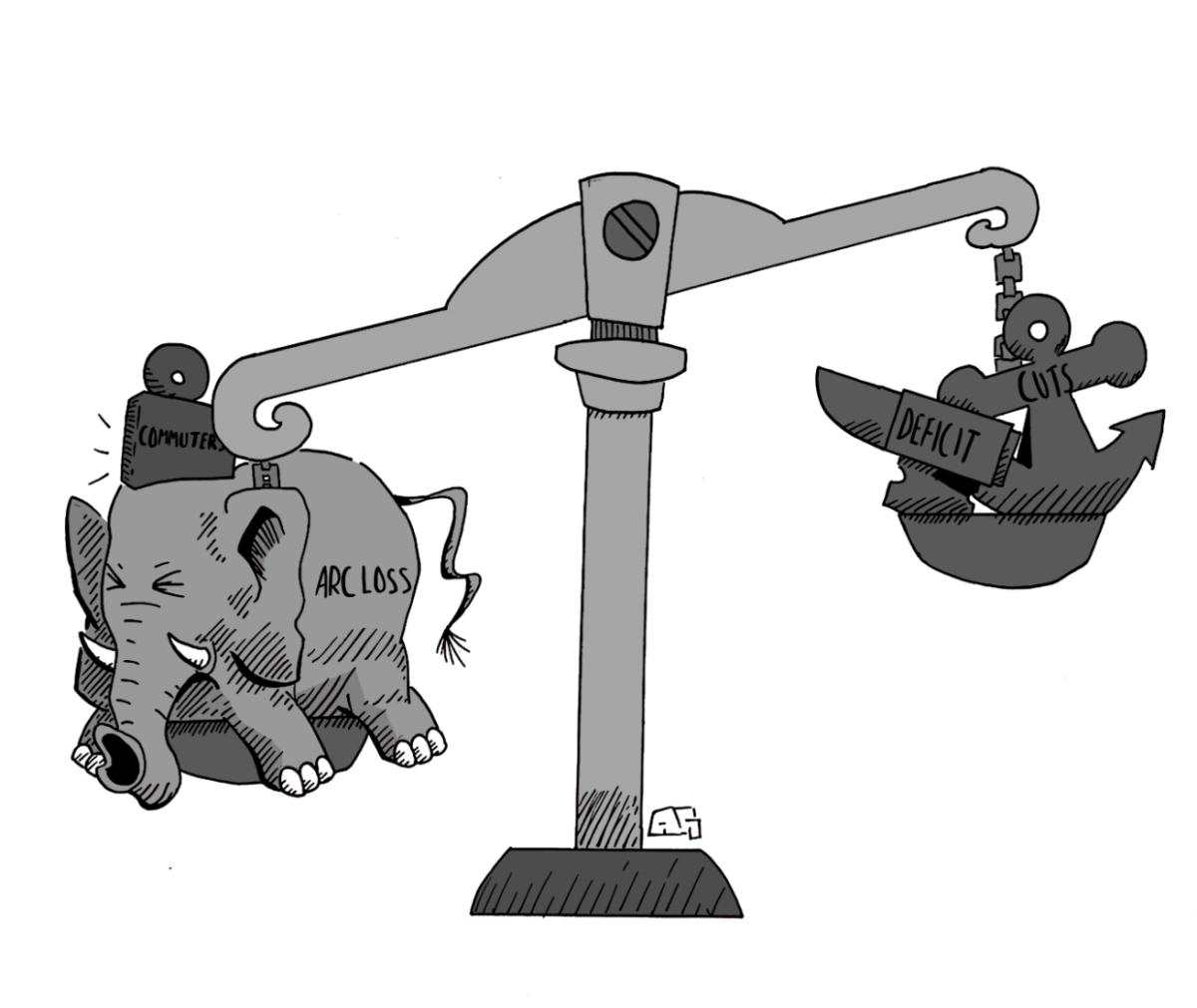

During the annual State of the College meeting last week, President and CEO Shantay Bolton told faculty and staff that the budget deficit had climbed to $40 million, a steep increase from last year’s $24 million shortfall. Bolton attributed the rise to continued enrollment declines.
That disclosure, though alarming, was one of the few concrete details faculty and staff received. Some faculty who attended told the Chronicle that the event felt more like a pep rally than a serious fiscal briefing.
In previous years, Columbia’s leadership regularly held town halls that laid out the college’s financial health in detail. The deficit dropped from $38 million after the part-time faculty strike in 2023 to $17 million by March 2025 through cost-cutting measures.
The new deficit figure raises urgent questions: What changed? Which cost-saving measures failed? What new strategies are being considered? None of that was discussed.
Bolton did not circle back to Columbia’s financial state after sharing the news of the looming deficit, and she eliminated the open-question session that would have allowed the community to ask for specifics about the college’s finances. Instead, faculty were invited to submit questions in advance. She didn’t say whether she had addressed them.
Bolton said the college is entering a four-month strategic planning process to map out the next three years, calling the moment one of “calm urgency.” She envisions designing the future we deserve, which is great. But, how we get there in the first place involves the truth.
Yes, the deficit has grown.
Yes, we should be resilient and support one another.
Yes, the college needs stability.
The editorial board is eager to see what Bolton can accomplish. Everyone in the Columbia community — faculty, staff, students and alum — wants the college to turn a corner after several difficult years marked by program closures and layoffs. Bolton has been greeted warmly in part because people are desperate for hope. But they also need to see what’s coming next and to hold her accountable for the plans she puts forward.
Optimism is good but glossing over hard truths about the college’s financial condition does a disservice to everyone. Transparency is not optional; it is foundational to rebuilding trust.
Copy edited by Matt Brady