Columbia’s student organizations are adjusting to a new funding model that shifts away from set budgets, leaving many club leaders uncertain about how much support they will receive this year and how it will affect bringing students together outside of the classroom.
Last year, student organizations navigated a $400 budget cut from the previous year to help address the school’s financial crisis, leaving each club with only $1,000 to use. Now, clubs are adjusting to a system that allocates money based on each group’s proposed expenses rather than a flat amount.
The Student Organization Council had discussed this new funding model during the first fall training session for student organization leaders. The set budgets and system of funds are not official yet, but will be finalized within the coming weeks.
The new model addresses the fact that several clubs don’t use their full budget every year, while others require more money to stage big events. The starting budget per club is determined by how much they typically spend in a year and what they propose as their financial needs.
“We’re going to be flexible and groups will have opportunities to adjust or request more funding if they need to, we want to start everyone at a position that at least feels about right,” said Allen Lucas, the coordinator of student organizations and part-time instructor at the School of Business and Entrepreneurship.
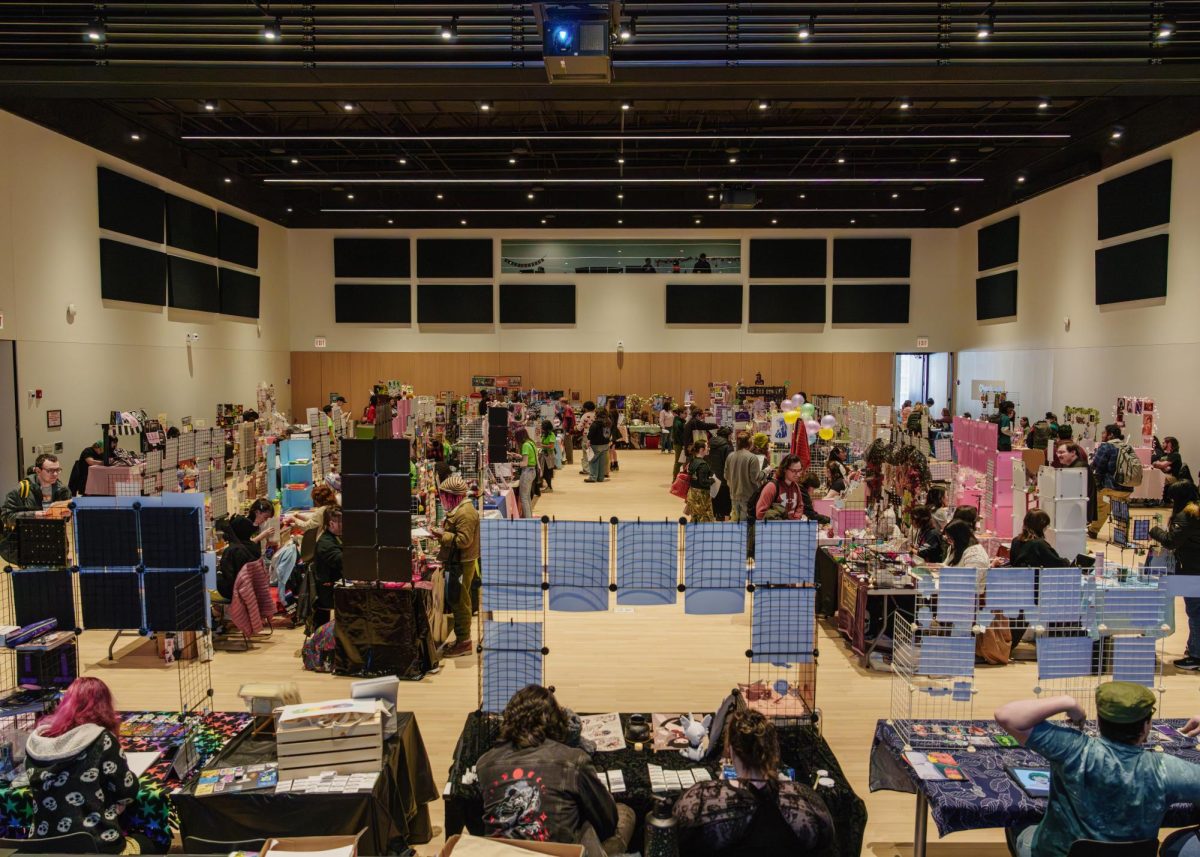
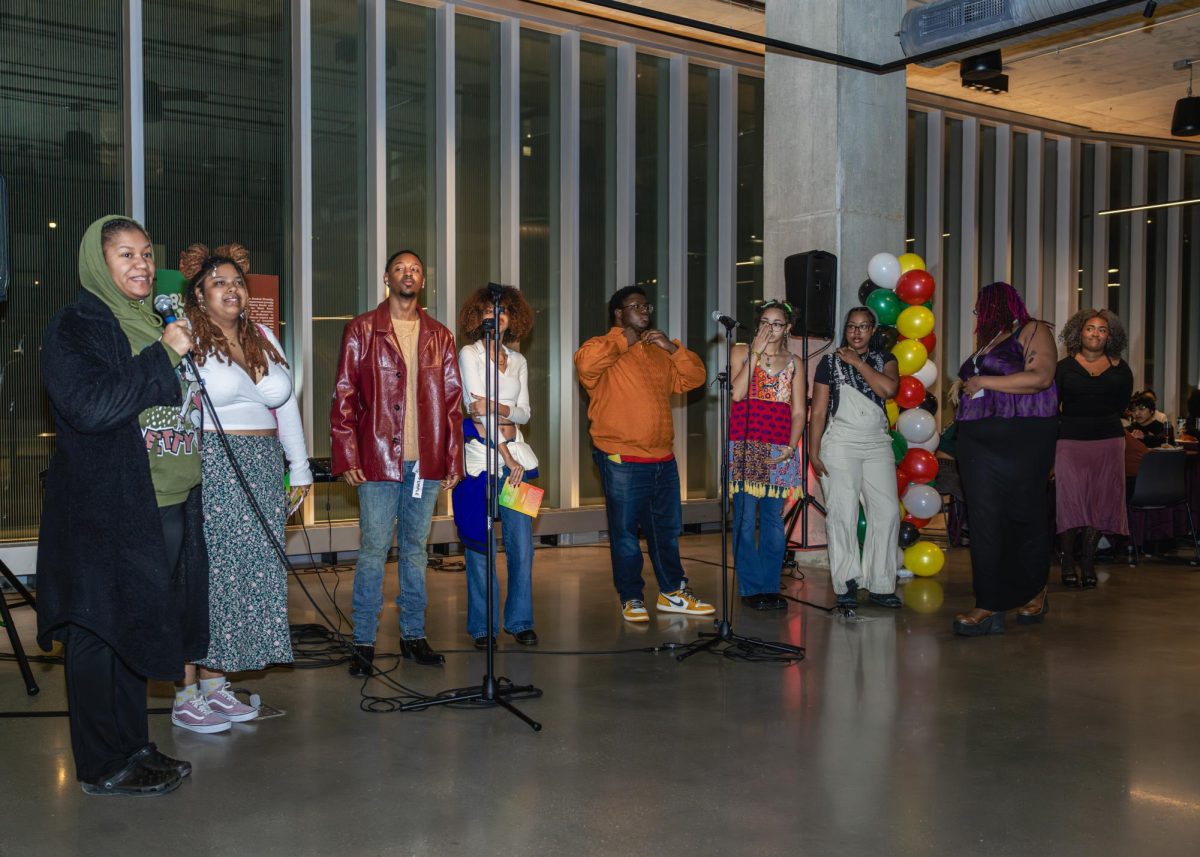
Some student clubs simply need a meeting space and funds to provide snacks, while other clubs are known for their large-scale functions such as the C3 Expo hosted by the Japanese Anime and Manga Club, Ink Fest hosted by the Illustration Student Group and Blackout and Ebony Ball hosted by the Black Student Union.
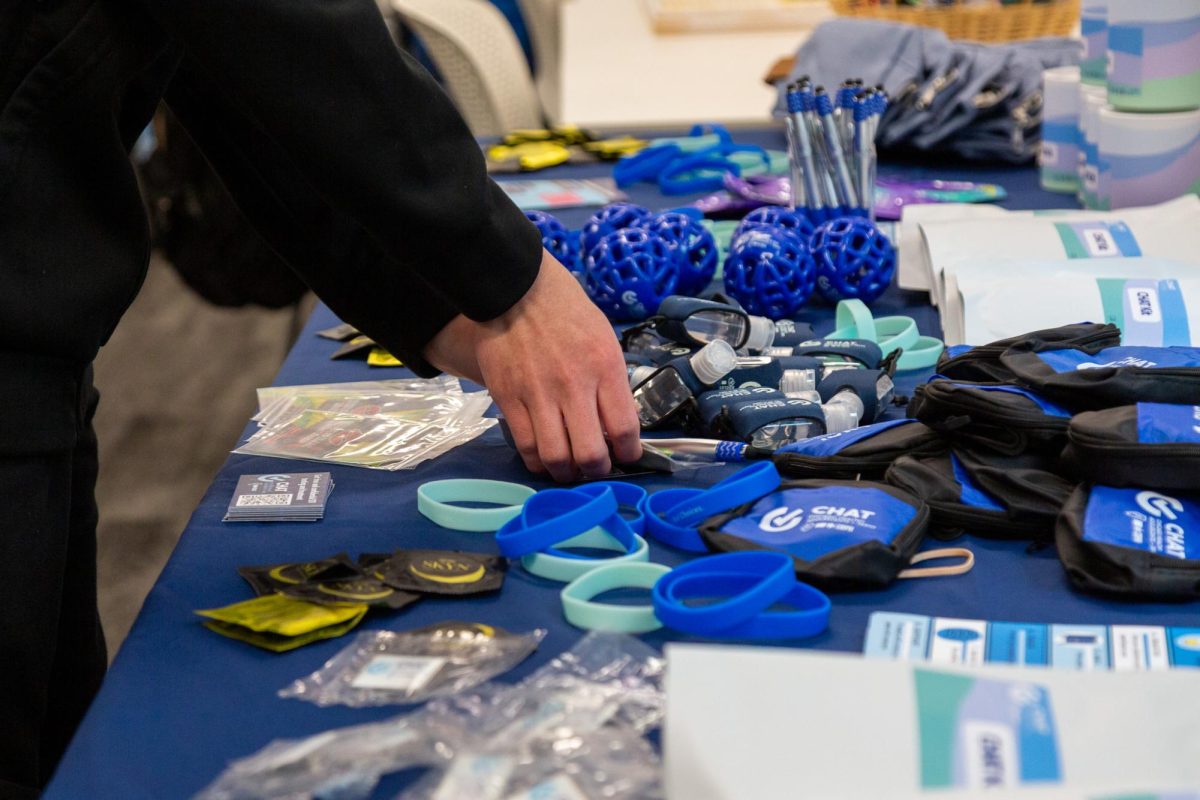
In addition to a spending budget, Columbia offers many resources to ensure clubs can organize gatherings and events. Performance spaces, AV equipment and microphones are just a few things students can rent, which helps minimize the expenses of each club.
The college currently has 66 recognized student organizations, with students proposing more start-ups each year.
“We are seeing record high numbers [of clubs] that we want to make sure we are able to reasonably support all of our groups,” Lucas said, “but we don’t want to be offering them an amount that we can’t actually fulfill.”
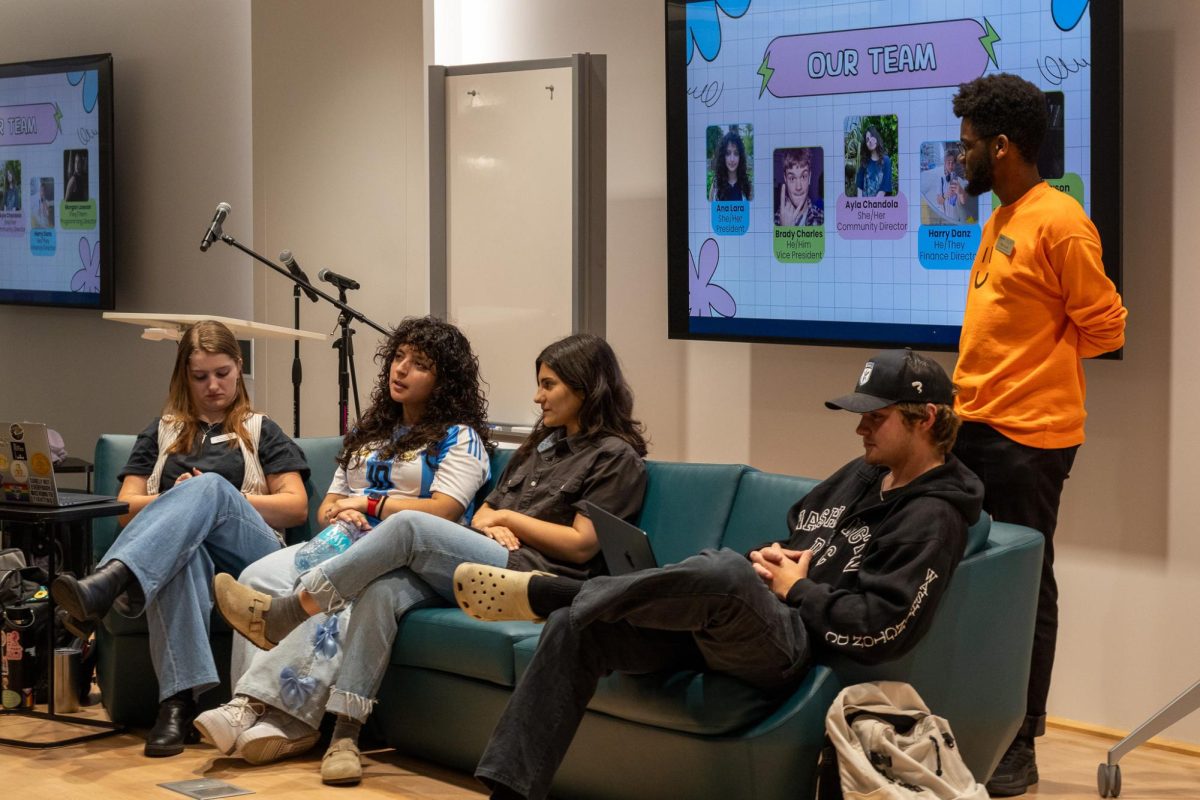
Club leaders are trying to manage the uncertainty of this new budget system while still organizing events and providing a community for students to start the year off right.
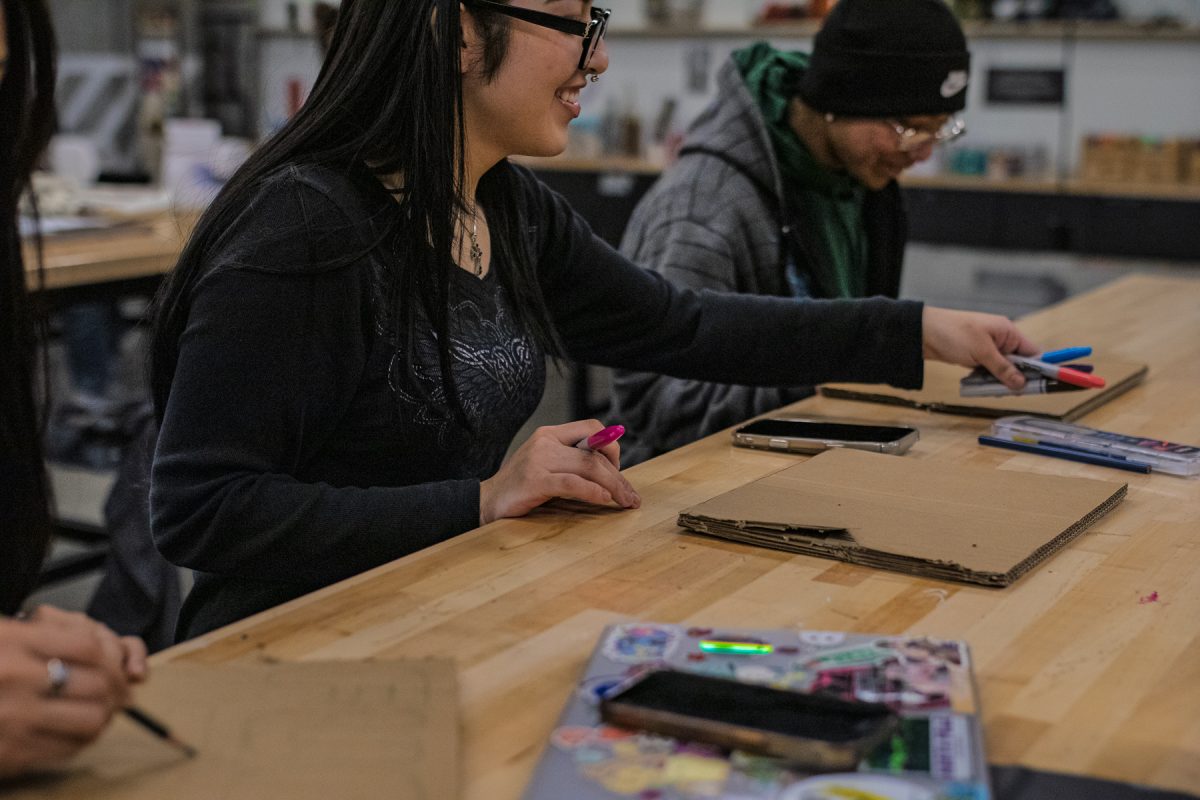
Zayden German, a junior photography major and a president of the Photo Community Club, said that it is important for the administrators to understand the importance of having spaces outside of the classroom for students to come together.
German said that the environment of a classroom is far different than a student-led group, which “can lead to different conversations, different comfort levels and different levels of participation and collaboration.”
During the fall semester last year, the Student Organization Council merged with the Student Athletics Association, as the Chronicle previously reported, which disrupted many of the Renegades sports teams’ meetings for a time.
Columbia’s Renegades Volleyball team is looking to join a competitive league this year, but the club president, Evie Triplett, a junior graphic design and ASL interpreting major, is worried about this proposal getting approved because of the new budget allocation.
“This is a big jump from what we’ve requested in the past two years, so it is very new to me. I don’t know what the outcome will be in terms of these cuts; if we will be able to sign up or not,” Triplett said.
Despite uncertainty as the new funding model is still being finalized, students are not letting it stop them from taking part in their student organizations.
“I think the cuts will impact clubs in general due to the fact that they are student-run and therefore without money from the school they will have to be student-funded,” German said. “[Clubs] inspire people to do things that they might not have been comfortable doing in a classroom setting.”
Copy edited by Mya DeJesus