
Students registered with the college’s Students with Disabilities office are being asked to hand-deliver accommodation letters to their teachers this semester.
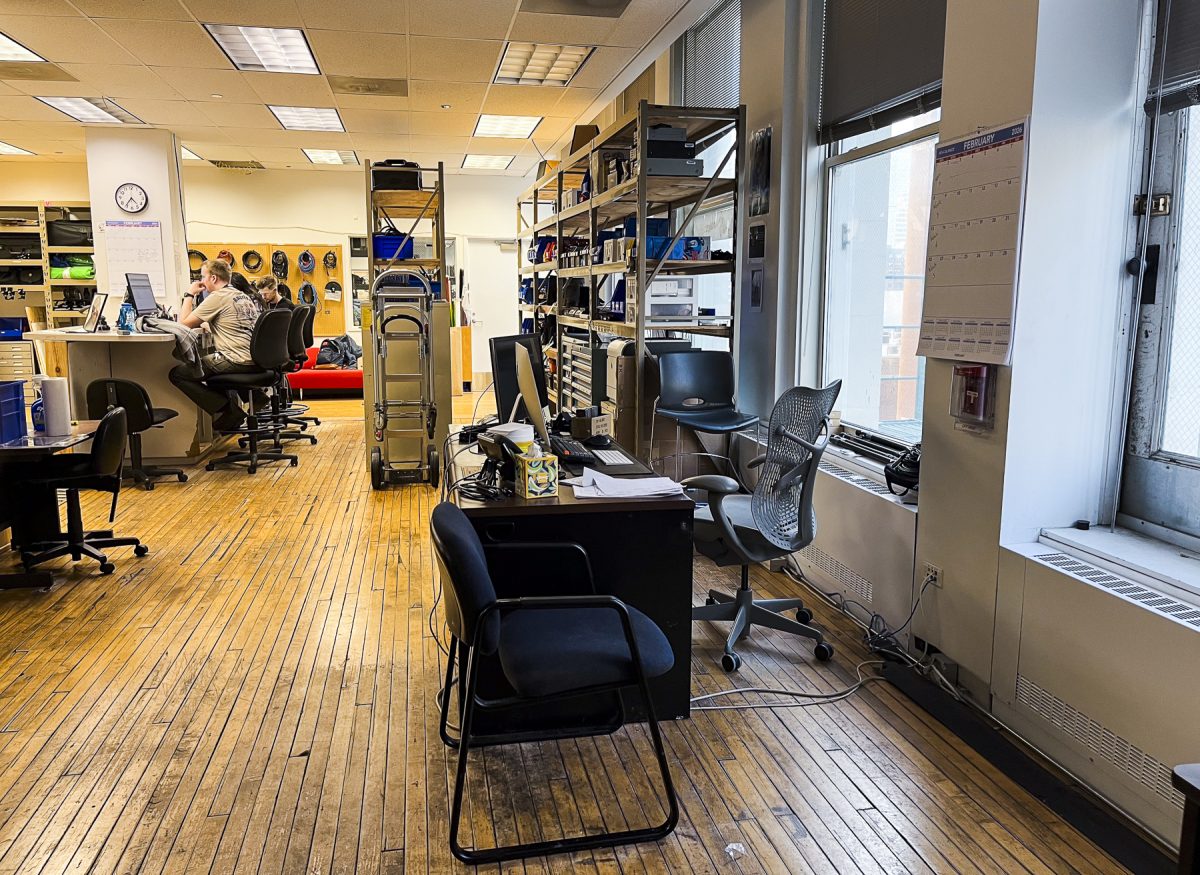
The temporary change, brought on by the rollout of a new Student Information System, has placed the responsibility on more than 400 students to pick up printed letters from the SSD office and distribute them to faculty.
Finn Schulz, a senior photography major who is blind, said the college should have prepared students and faculty for the change.
“Typically I reach out to my professors virtually before classes start to introduce myself and check that they have received my accommodation letter, ensuring we’re on the same page,” Schulz said. “As I did that this semester, I came to find none of my professors had any idea previously because they had not been notified virtually at all that they have a blind student in their class who may need alternate materials prepared.”
The SSD office acknowledged the disruption, saying the shift to printed letters was not meant to be permanent but was unavoidable during the transition to the new information system.
“A few students have expressed frustration around the change, but we’ve appreciated the flexibility and patience our students have had with the unfortunate timing of the new SIS (Student Information System) and its integration with SSD”, said Sarah Schorle, the office’s administrative assistant.
Schorle added that the new process also increased the workload for the office workers.
“Each letter needs to be created, printed, and organized for pickup, which delays our ability to respond to student issues that are arising ahead of and during the beginning of the school year,” Schorle said. “We also recognize that this creates additional delays and work for students who have to find time in their schedule to pick up the letters and distribute them to their professors.”
Still, for some students who depend on accommodations to fully participate in their classes, the change complicated what was already a delicate balancing act. The early weeks of the semester, when they say support is most crucial, have instead brought new hurdles.
“I would love to just be able to walk into class for the first time and sit down just like everyone else, without fear that the professor isn’t prepared,” Schulz said. “This leaves it all up to me with less help than ever before.”
For others, the adjustment has introduced physical challenges.
“Due to my chronic illnesses, I have a mobility issue, and even though I can walk, I try to limit it as much as possible so I don’t get run down because then I can’t go to class,”said Morgan Bruner, a junior journalism major. “So, with them making us pick them up in person, it’s basically another task I don’t have the energy to do.”
Bruner reached out to the SSD office requesting that the letters be scanned and emailed to her due to medical restrictions.
“Their response was, if I wanted them, I had to go get them myself,” Bruner said.
Other students liked the new process because it made it more personal.
Noah Keathly, a senior film and television major, said handing their accommodation forms to their instructors was “a great experience” because it allowed them to converse with their professors in ways of how they can be supported in the classroom.
Keathly credited Danielle Hirschhorn, director of SSD, for her support.
“They have been one of, if not the best resource, at Columbia for me,” Keathly said. “I think this change has been a rewarding shift, and I want to see how they can promote more student-teacher contact and awareness about teaching professors how to communicate to students with disabilities and accommodations.”
Copy edited by Brandon Anaya
Resumen en español
En un cambio del sistema de información estudiantil los estudiantes tendrán que recoger cartas de acomodación de la oficina SSD y entregarlas personalmente a sus maestros temporariamente.
Para estudiantes que dependen de acomodaciones para participar en sus clases el cambio complica algo delicado. Las primeras semanas del semestre son las más cruciales y para más de 400 estudiantes las empiezan con complicaciones.
Resumen en español por Brandon Anaya