
Columbia’s TRIO Conaway Achievement Program has secured another five years of federal funding to expand support for first-generation, low-income and disabled students at a time when other grants in higher education have been cut.
The Trump Administration initially proposed to cut all funding to TRIO, a collection of federal outreach and student services programs. But Congress kept the $1.2 billion funding in place when it passed President Trump’s spending bill in July.
Roy Saldana Jr., director of Columbia’s TRIO Conaway Achievement, said TRIO is an essential program for the students it serves.
“This isn’t just about keeping the lights on,” Saldana said.
With the funding secured, Columbia plans to expand TRIO by creating mentorship opportunities, refining the advising system and increasing career readiness programs with an emphasis on boosting retention and graduation rates among students that qualify for the program.
“We’ve been cleared for level funding, which means we would get the same kind of funding we have this year, which is a good thing,” Saldana said.
At the moment, Columbia’s TRIO program has a “five-year commitment” for grant funding of some kind, although the exact number will be determined later.
Michelle Santana, a transfer student majoring in computer animation, said the college’s effort to keep funding at the college made her feel “important” and “worthwhile.”
“It just gives you a boost in your own self-worth and makes you want to take on responsibility,” she said. “Honeslty, I’m just excited to contribute to a lot of the events that TRIO will be having throughout the semester. I can’t wait to start forming that bond and connection with TRIO.”
One of the central services that TRIO offers is a three-day Summer Transition Program to make sure first-generation or students with disabilities have more time to ask questions and get answers about college life.
“They don’t have parents, or guardians, who could have broken down what they can expect to see,” Saldana said of the first-generation students in the program.
Ultimately, the Summer Transition Program gives students an opportunity to become more informed about campus, as well as what their college experience will be like for the first couple of weeks. The program also focuses on peer-to-peer learning contribution to student retention.
“Peer-to-peer engagement is really important,” Saldana said. “When all of that happens, the student’s retention is likely going to be there. They’ll feel comfortable, and they’re going to want to stay.”
Alexis De Ocampo, senior advertising major with a concentration in ad management strategy, went through the Summer Transition Program last year when she transferred.
It allowed her to feel more “comfortable” at the college and gave her the space to make friends, she said.
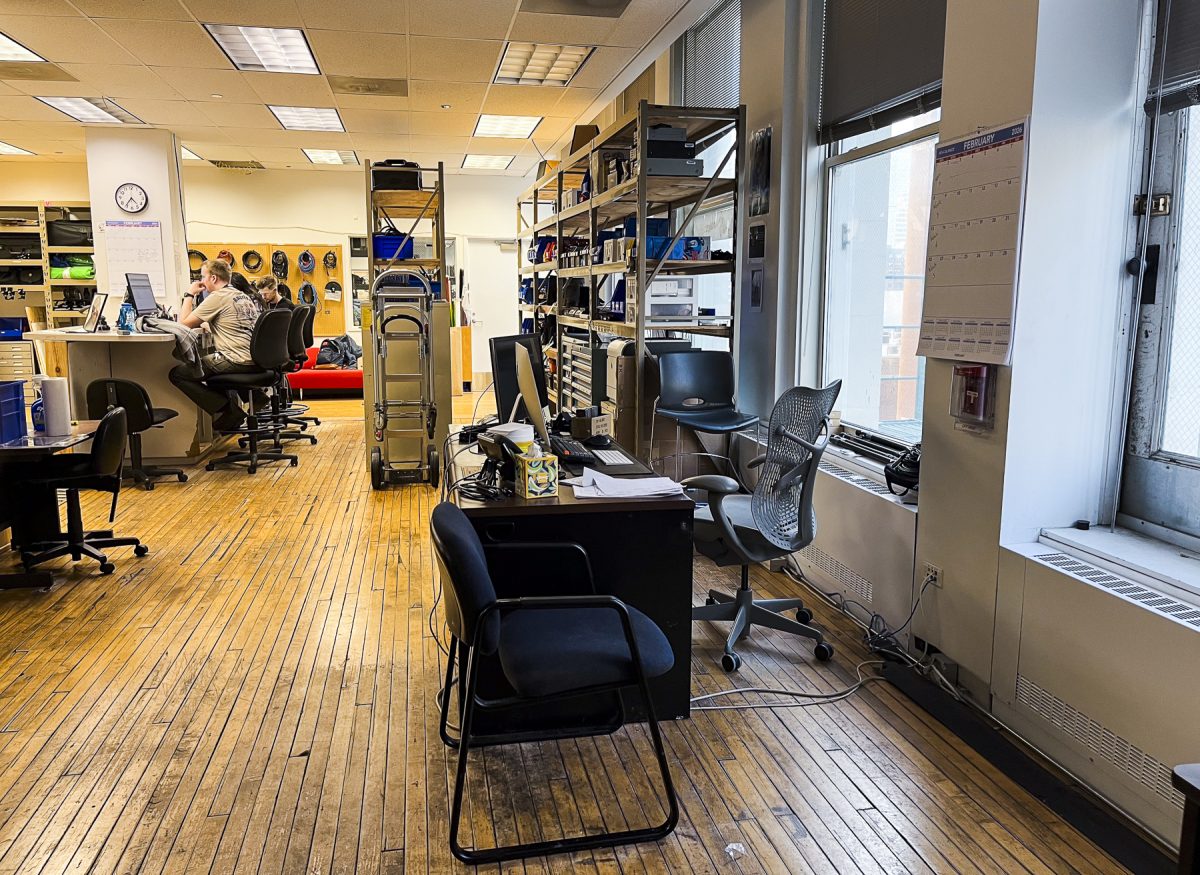
Last year, De Ocampo spent time between classes in the TRIO office, which is on the 5th floor of 33 E. Ida B. Wells Drive. By attending TRIO-sponsored events, De Ocampo said she developed skills in leadership and teamwork.
“I saw myself stepping into mentorship and it helped me transition socially,” she said. “I’ve accomplished so much because of this program. I’m grateful that I was accepted because I don’t know what I would be doing right now if I went to school and didn’t have TRIO.”
Copy edited by Matt Brady