
Roughly a dozen students attended a discussion about queer history in Chicago on Wednesday, Oct. 1, to commemorate the first day of LGBTQ+ History Month, a conversation that not only looked back at decades of struggle but also echoed concerns students said they are still living with today.
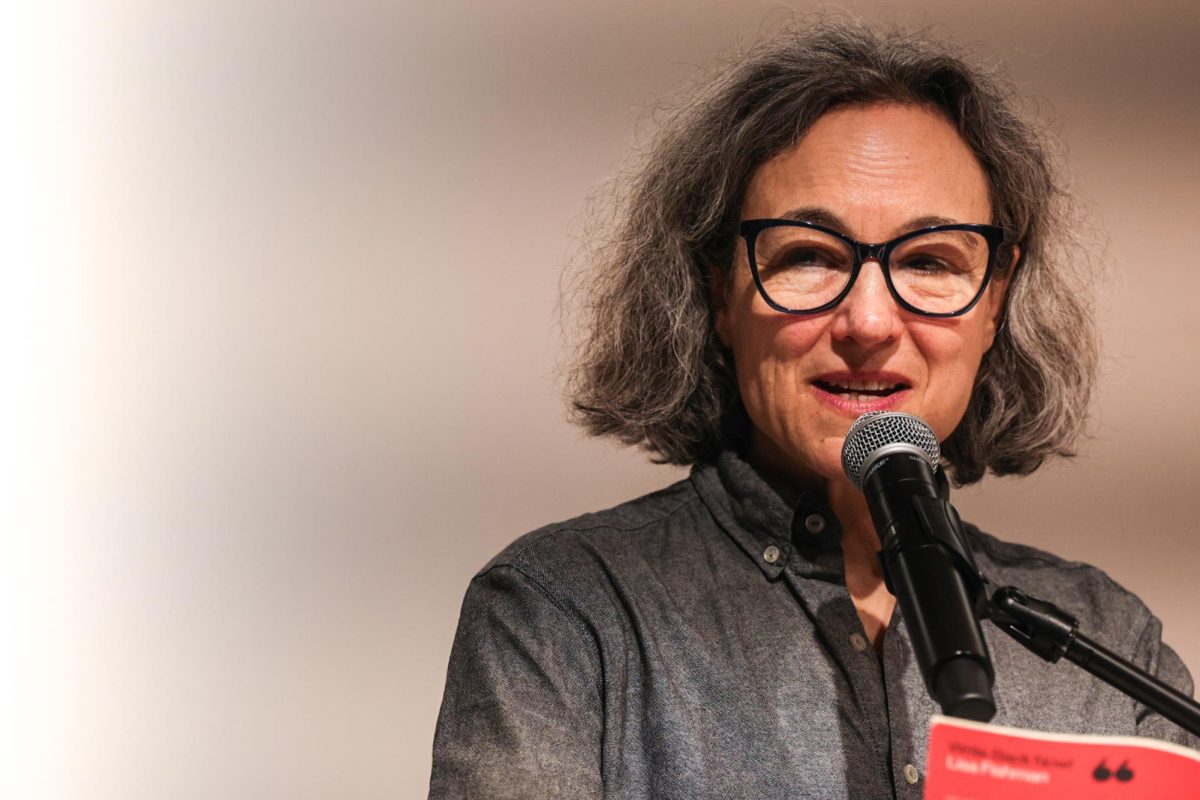
“I think understanding where we come from and where we can go together is what I want our community to understand,” said Matthew Eiler-Rillie, the college’s coordinator of student education and community development who hosted the “Lunch and Learn” event.
Eiler-Rillie highlighted how the Bronzeville neighborhood became a hub for Black and brown residents forced into segregated parts of the city. Within that context, the LGBTQ+ community lived largely underground in the 1960s, gathering at private events hidden behind blacked-out windows or guarded by passcodes to shield themselves from harassment and discrimination.
That isolation deepened during the AIDS epidemic of the 1980s, when health care access became a life-or-death concern. Black and brown LGBTQ+ people were hit hardest, often facing barriers to medical care even as the crisis spread.
Organizations like Howard Brown Health and Broadway Youth Center were created in response to the lack of resources for LGBTQ people of color, which Eiler-Rillie said is often omitted from the story.
“I think erasure of credit is woven into history at large, when we look specifically at Chicago queer history,” he said.
The legacy of that inequity reverberates today. This summer, President Trump’s “Big Beautiful Bill” cut billions in federal funding for medical research, putting renewed scrutiny on whether the health needs of marginalized communities will again be left behind.
That same pattern of exclusion shows up in cultural memory, too. Government websites, including a National Park Service synopsis of Stonewall, have recently drawn criticism for erasing transgender people from the narrative — reducing LGBTQ+ history to “LGB,” and ignoring the activists who were central to the movement.
Junior film and television major Amy Hernandez stressed the importance of having an event like this, especially under the current administration. In August, the Supreme Court was formally asked to overturn Obergefell v. Hodges, the ruling that legalized same-sex marriage throughout the country.
“With people’s rights being actively stripped away from them, I think now more than ever, we need to know how it’s looked historically so we can know how to continue to fight for our rights,” she said.
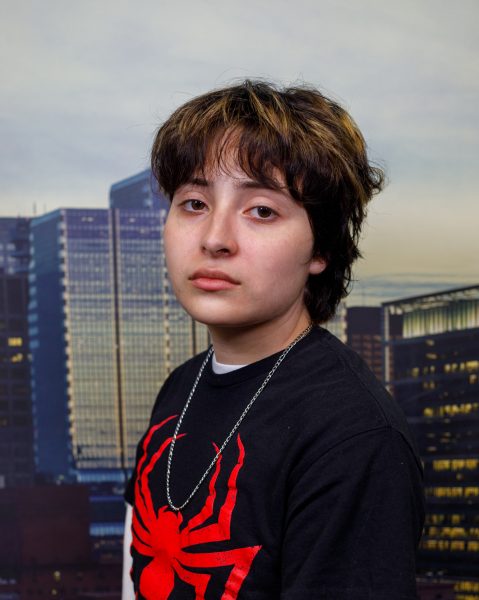
Aliana Gonzalez, a first-year majoring in game design, attended the event because she wanted to learn more about queer history but didn’t have the resources.
Instead, she had turned to gaming as a means to express and understand herself.
“A lot of the games I play are very queer. Like they always involve a bisexual character. So you have the option of romancing the guy or the girl, or you can make your character whatever gender you want,” Gonzalez said, “I want to create games where you’re just freely expressing yourself as a character.
Student Diversity and Inclusion plans to celebrate Queer History Month all October, kicking off the celebrations with an open mic the same night, giving queer students a space to discuss, share and connect with their history.