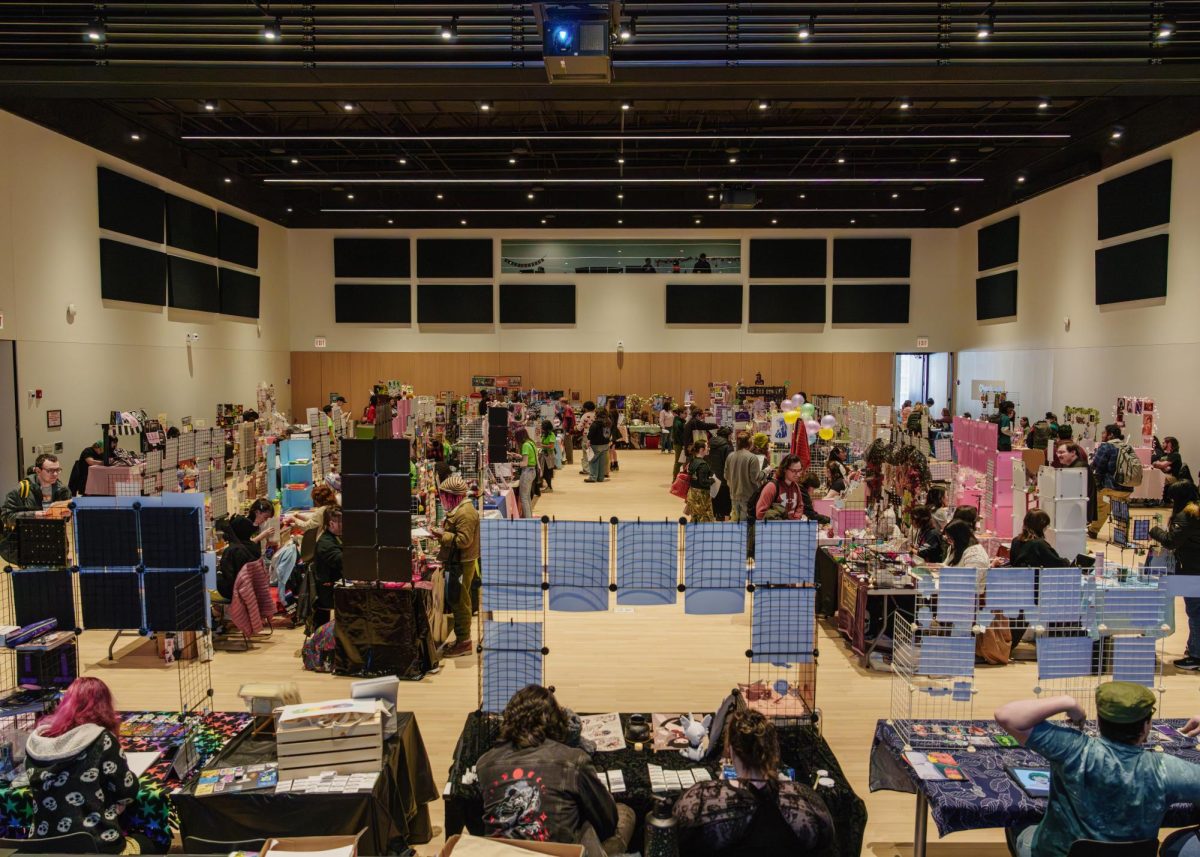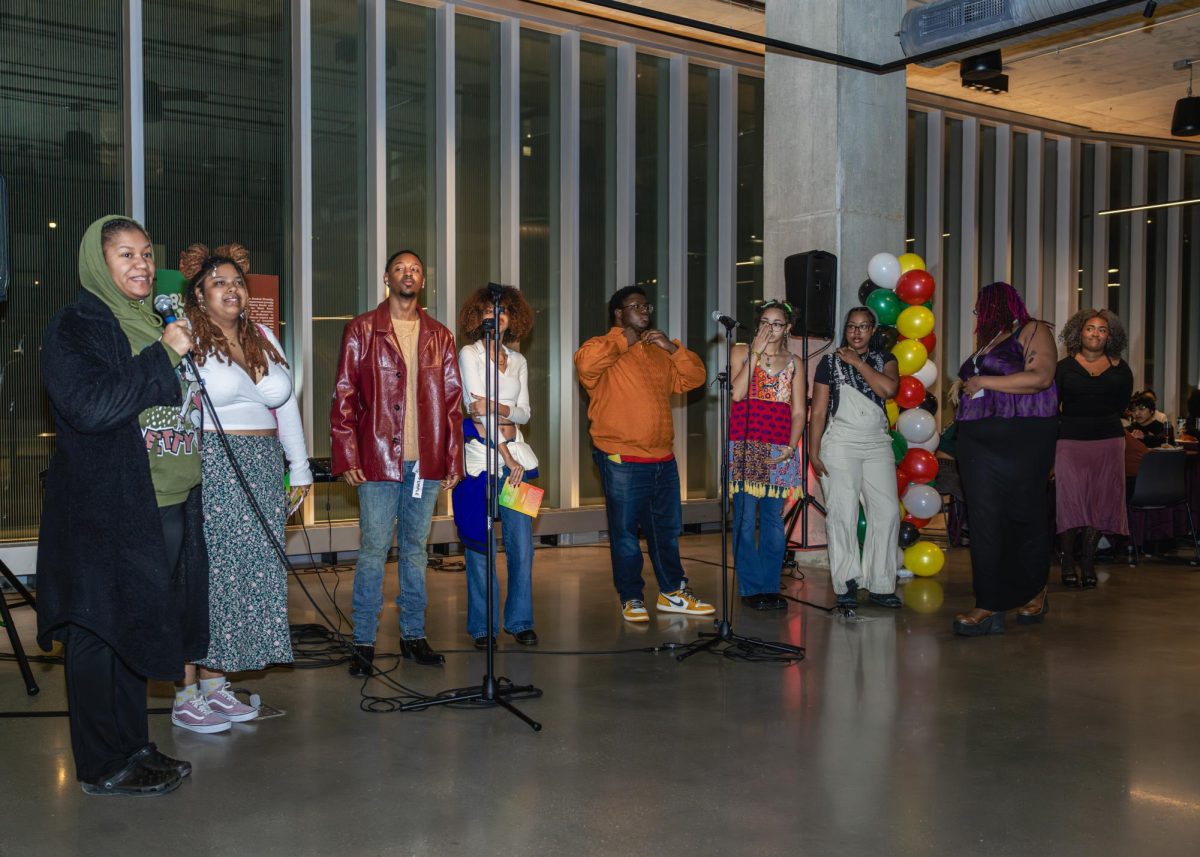

Student organizations are now operating under a new funding model that allocates money based on a group’s planned programming for the year instead of giving everyone a flat amount.
Some organizations are welcoming the change, saying the allocations better reflect their needs. Others, however, worry the structure leaves smaller clubs underfunded.
Last year, every student group absorbed a $400 reduction because of the college’s financial challenges, bringing budgets down to $1,000 each. This fall, clubs are divided into four tiers: the largest, most visible organizations receive $1,000, while those in lower tiers get between $750 and $200.
Allen Lucas, coordinator of the Student Organization Council, said he has already heard positive feedback from groups on getting an appropriate amount for what they plan to do for the year.
He said he is open to meeting with groups about their allocations, as the point of the new system is not to limit what clubs can do.
“We’re continuing to encourage groups to reach out if they have any concerns about their budget,” Lucas said.
Harry Danz, financial director of SOC and a junior BFA film and television major, said smaller clubs that may only need a meeting space and snacks are in the first tier, which provides $200 for the year. The second tier received $450, and the third received $750. Clubs historically known for hosting large annual events are placed in the top tier receiving $1000.
Ana Lara, president of SOC and a senior fine arts major, said the new system is more sustainable because it avoids cutting every club’s budget just to keep allocations equal.
She said clubs are encouraged to raise money on their own to fund things that may not be necessary to their mission but will help boost engagement and events.
“Fundraising gives clubs the opportunity to have some more leeway with how they want to spend their money, and then the good thing about fundraising is that it rolls over into the next year,” Lara said.
Avery Hall, social media manager of Renegades Volleyball and a junior graphic design major, said the group board members have already been discussing fundraising options to support the team.
The volleyball club was ranked in tier three of the funding model, giving them a $750 budget for the year. While that amount falls short of what’s needed to compete in a competitive league, like uniforms and entry fees, the team will continue playing together.
“It is kind of frustrating to get less, especially since last year we didn’t have any opportunities to compete, but I think that’s just encouraged us to consider fundraising opportunities,” Hall said.
Lucas, the SOC’s coordinator, said they want to be flexible.
“So the door for conversation is always open throughout the whole year,” he said.
Copy edited by Matt Brady