
One year ago, Columbia launched the new Center for Student Wellbeing, which merged the school’s previous Counseling Services and the Student Relations office following the closure of the student Health Center, as previously reported by the Chronicle.
The center officially opened on Sept. 3, 2024, with the directors unsure of what the student response would look like. The first year of the center being open was focused on stabilizing the structure and preparing for the flow of students and meeting their needs.
“I think we hit exactly where we wanted to hit,” said Britt Hodgdon, co-director of the Center for Student Wellbeing and director of clinical care. “I think we have created a program that reflects the needs of Columbia students pretty well because it’s flexible; it’s not one size fits all.”
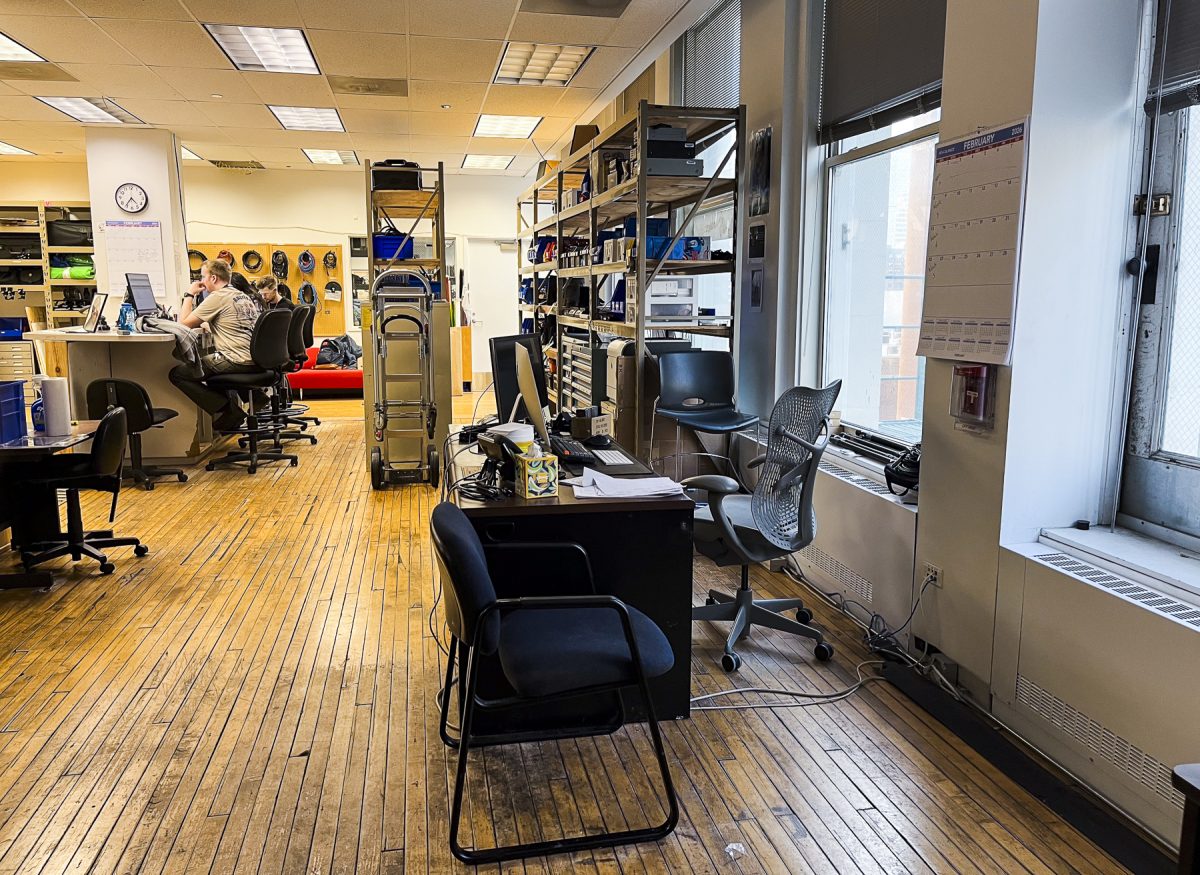
The Center for Student Wellbeing is located on the third floor of 623 S. Wabash Ave. and offers many key services, from a drop-in decompression room to a mental health consultation line.
Other amenities include short-term counseling appointments that are designed to provide brief care to address stabilizing students’ emotional needs. Long-term services are also provided, such as therapeutic case management, which provides ongoing support for students with complex mental health needs. Students are able to request an appointment for these services online for one-on-one care or can come in any time during open hours to utilize the space.
Since opening, the center has been paired with TimelyCare, which is a virtual platform where students can connect for free with licensed counselors and medical professionals. While it cannot replace in-person visits, it offers immediate support and flexibility, especially outside of the center’s hours. This serves as a broader health service to students after the closure of the student health center.
“[Students] are still welcome back when they’re in crisis. They’re still welcome back on a hard day. You fail the test, whatever it is. That door is always revolving for people, and we prefer that because it means that the relationships can stay, and support is still on campus in place for people when they need it,” said Hodgdon.
Although the Center for Student Wellbeing is not a typical counseling office, it provides many resources to students who are in crisis or need extra in-person support. Last year, there was a 12-session limit per student through the counseling program, and while the center is keeping that 12-session limit as a broader guideline for students this year, they are also offering the option for them to continue coming in if necessary.
Diego Madrigal, a senior film and television major and international student from Mexico, said that it is difficult for him to find immediate care due to complications with international student insurance. The Center for Student Wellbeing and TimelyCare services have connected him to a free licensed therapist who fits his needs.
Madrigal said that the services made him feel “somewhat comfortable and supported,” and he wishes they were better advertised to students.
This year, the center is looking to create collaborations with community partners and other departments in the college to promote their services and provide resources to a wider group of students. For example, the center is planning to work with Student Engagement and Leadership and Student Diversity and Inclusion to bring a mental health presence to their existing work.
As part of ongoing awareness efforts, Richard Chin, a clinical care specialist at the center, is launching a mental health allyship training as a way to inform students on how to identify if someone they know is struggling. There is also a mental health ambassador program in the works for students who are interested in involvement beyond the allyship program. This would give students an opportunity to go through training, have a contact person at the center to check in with regularly, provide feedback on observed unidentified needs on campus, help with program planning and create workshops of their own.
Both Hodgdon and Chin have been focused on exposing more students at Columbia to the services offered at the center. First-year students were introduced to the Center for Student Wellbeing at Convocation both this year and last, whereas students who have been at Columbia for multiple years may not have had the same experience.
Nicole VandeWalker, a senior BFA film and television student, first heard about the Center for Student Wellbeing at Convocation. She had used services from the student Health Center before it closed, and has switched to using TimelyCare when she needs to be seen by a doctor. She has also reached out to a therapist on TimelyCare when she needed immediate support.
VandeWalker has not used the direct services at the Center for Student Wellbeing, but says it is beneficial for students to have it when they need it.
“There is no one way that the school can help every student. Everyone has stuff going on in their lives, and not everyone is in the same situation. But having the resources so when you do go through something, especially something that will impact your time at the school, [that’s] what should be accessible here,” said VandeWalker.
With new administration and budget changes at Columbia, the center’s main goal is to meet people where they are and provide resources so they can continue to thrive.
“We’ve managed to do meaningful work here and build meaningful relationships with therapists and community, so it feels like we’re accomplishing all the things we set out to do, and I’m grateful for that,” Hodgdon said.
Copy edited by Vanessa Orozco
Resumen En Espanol
El Centro del Bienestar Estudiantil de Columbia fue iniciado después del cierre del Centro de Salud. El nuevo centro combinó los Servicios de Terapeutas y Relaciones Estudiantiles para mejor servir a la comunidad de Columbia.
Localizado en el tercer piso del edificio 623 S. Wabash Ave, ofrece múltiples servicios como un espacio de descompresión al igual que una línea consultada de salud mental.
Los estudiantes pueden pedir servicios en línea al igual que entrando al centro durante las horas de servicio.
Adicionalmente, el centro está en conexión con TimelyCare, una plataforma virtual que conecta a los estudiantes con consejeros licenciados y médicos professionales.
Resumen En Español Por Uriel Reyes
Resumen editado por Brandon Anaya